Understanding Window Film Transparency: 20%, 50%, and 70% VLT
What is VLT for Window Film?
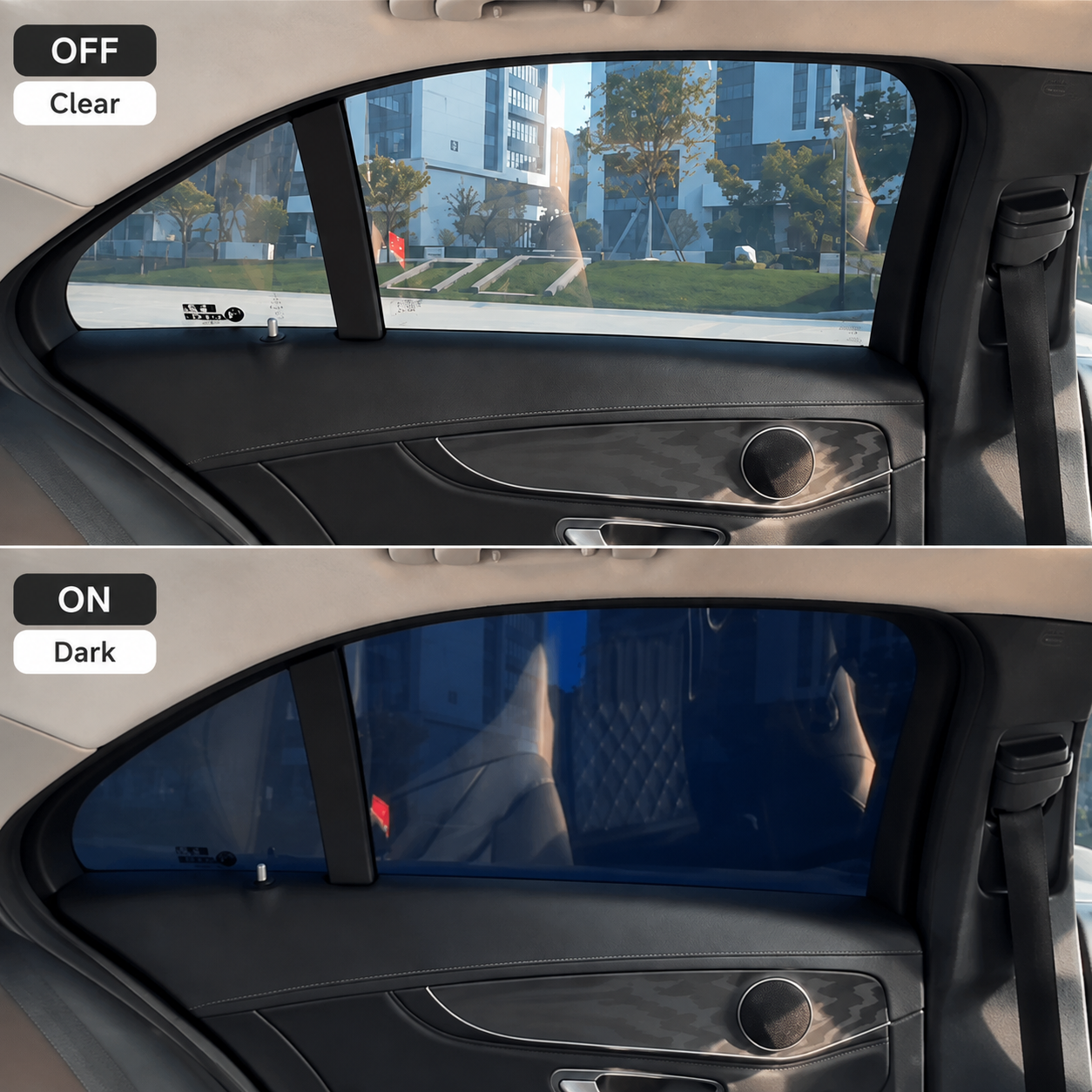
VLT (Visible Light Transmission) for window film measures how much visible light passes through glass, expressed as a percentage.
- 20% VLT: Only 20% of light passes through → very low transparency, high privacy
- 50% VLT: 50% of light passes through → moderate transparency, balanced privacy and light
- 70% VLT: 70% of light passes through → high transparency, minimal privacy
VLT determines how “see-through” a window film is, and it applies to both automotive and architectural window films.
Why VLT Matters for Window Film
The transparency of a window film affects:
- Interior brightness: Higher VLT = brighter interior, better daylight
- Privacy: Lower VLT = more privacy for occupants
- Visual comfort: Appropriate transparency reduces glare and eye strain
- Visibility: Higher VLT ensures clear vision, especially at night for cars or in shaded areas for buildings
Understanding VLT is essential for choosing the right window film for cars, offices, or homes.
20%, 50%, and 70% VLT – Transparency Comparison
| VLT | Transparency | Privacy | Visual Effect | Best Use |
|---|---|---|---|---|
| 20% | Very low | High | Dark interior, minimal visibility | Rear windows in vehicles, hot rooms, or areas needing privacy |
| 50% | Moderate | Medium | Balanced light and view | Side windows, office or living spaces, daily vehicle use |
| 70% | High | Low | Interior clearly visible, bright | Front vehicle windows, large glass panels, areas needing maximum daylight |
Tip: Check local regulations for automotive use—some regions limit low VLT on front side windows.
How to Choose the Right VLT for Window Film
- For high privacy: Choose lower VLT (20–50%) for rear car windows, office partitions, or bedrooms.
- For visibility and daylight: Higher VLT (50–70%) works best for front windows, living rooms, or workspaces.
- Climate considerations: Lower VLT blocks more sunlight in hot regions.
- Night or low-light conditions: Higher VLT ensures safe visibility for vehicles and better indoor brightness.
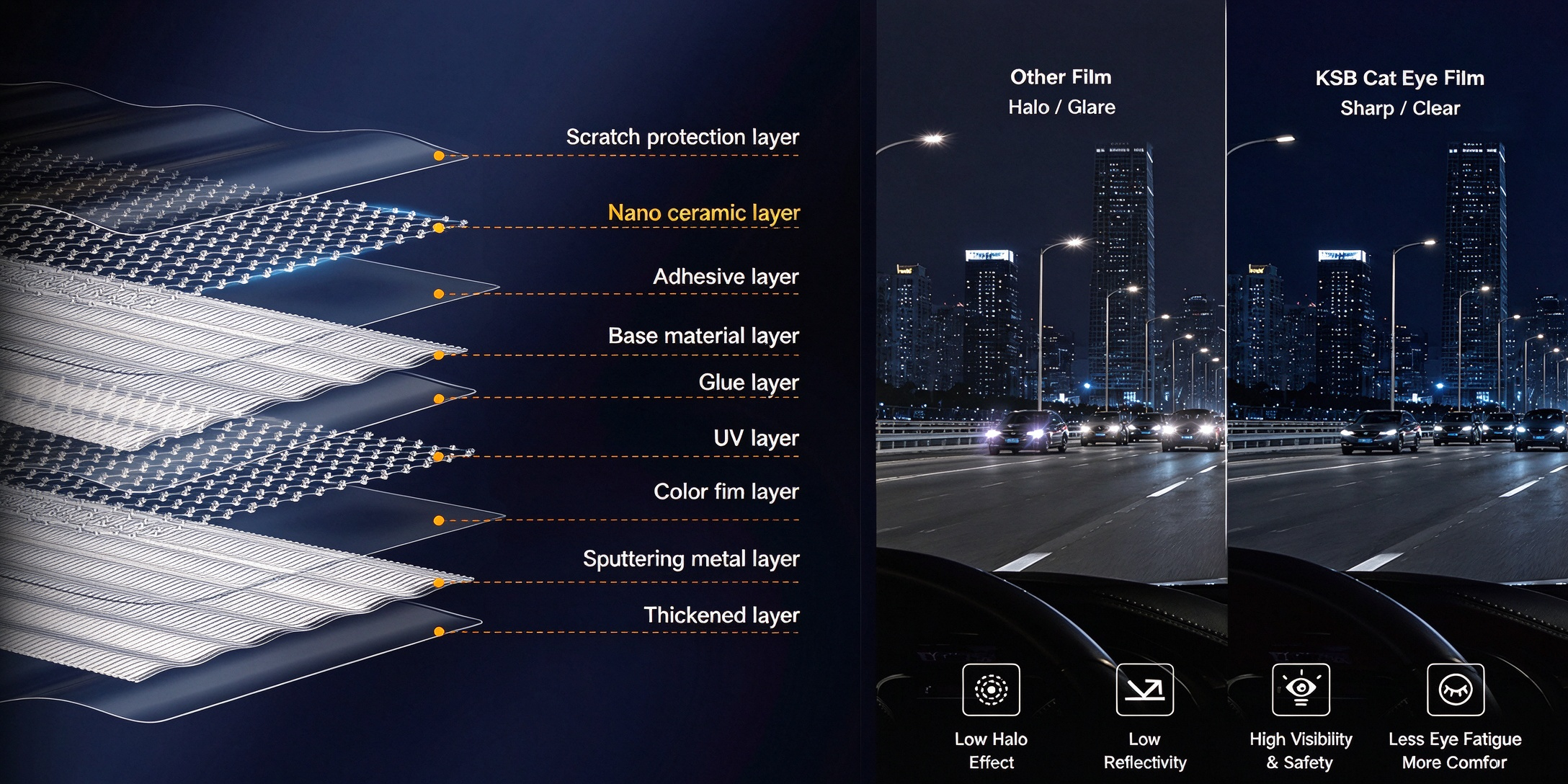
Tip: Pair the correct VLT with a nano ceramic window film for optimal heat and UV protection, regardless of whether it’s for a car or building.
Additional Notes on VLT
While the main focus is transparency, VLT also influences:
- Heat control: Lower VLT blocks more heat
- UV protection: High-quality films protect interiors from sun damage
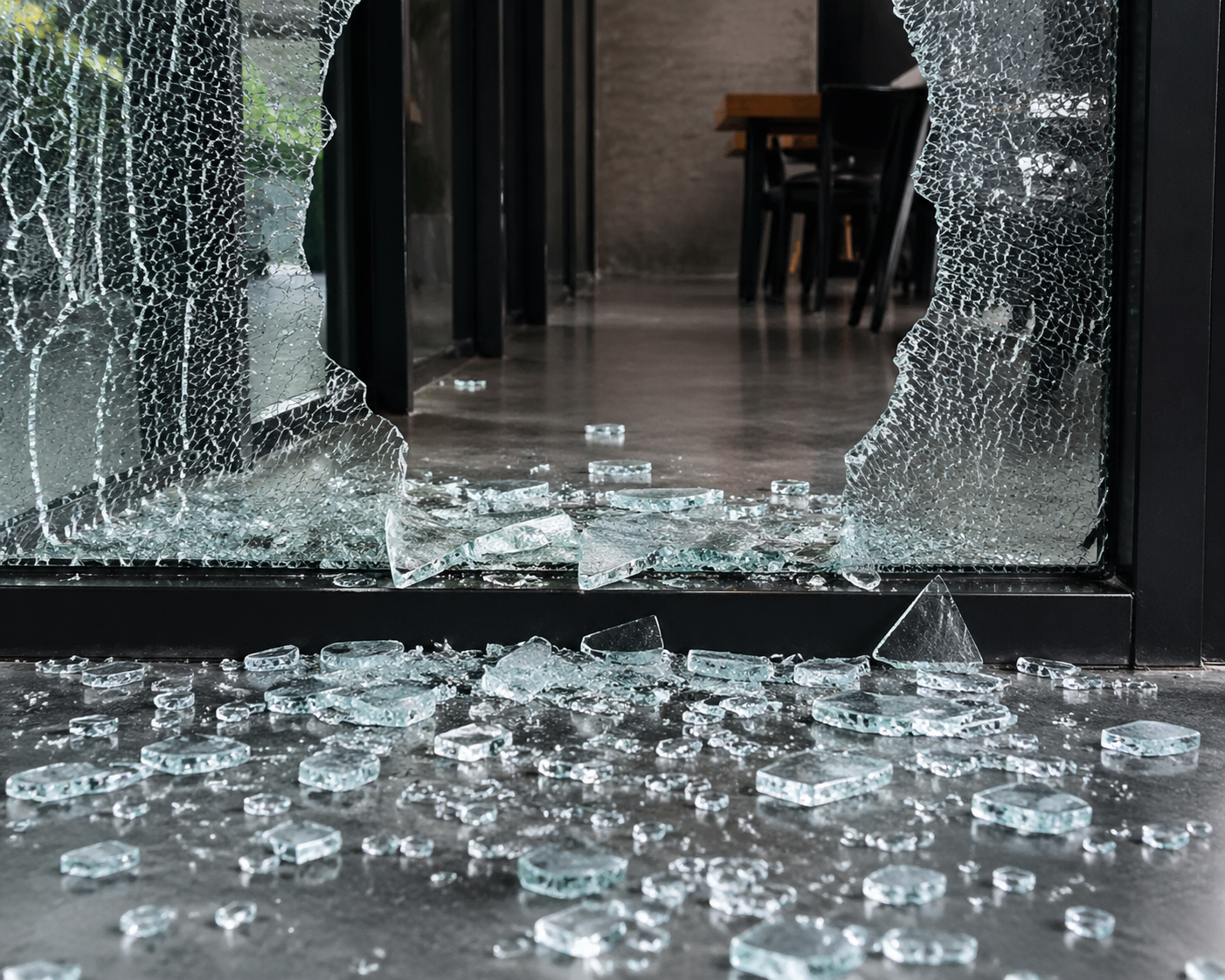
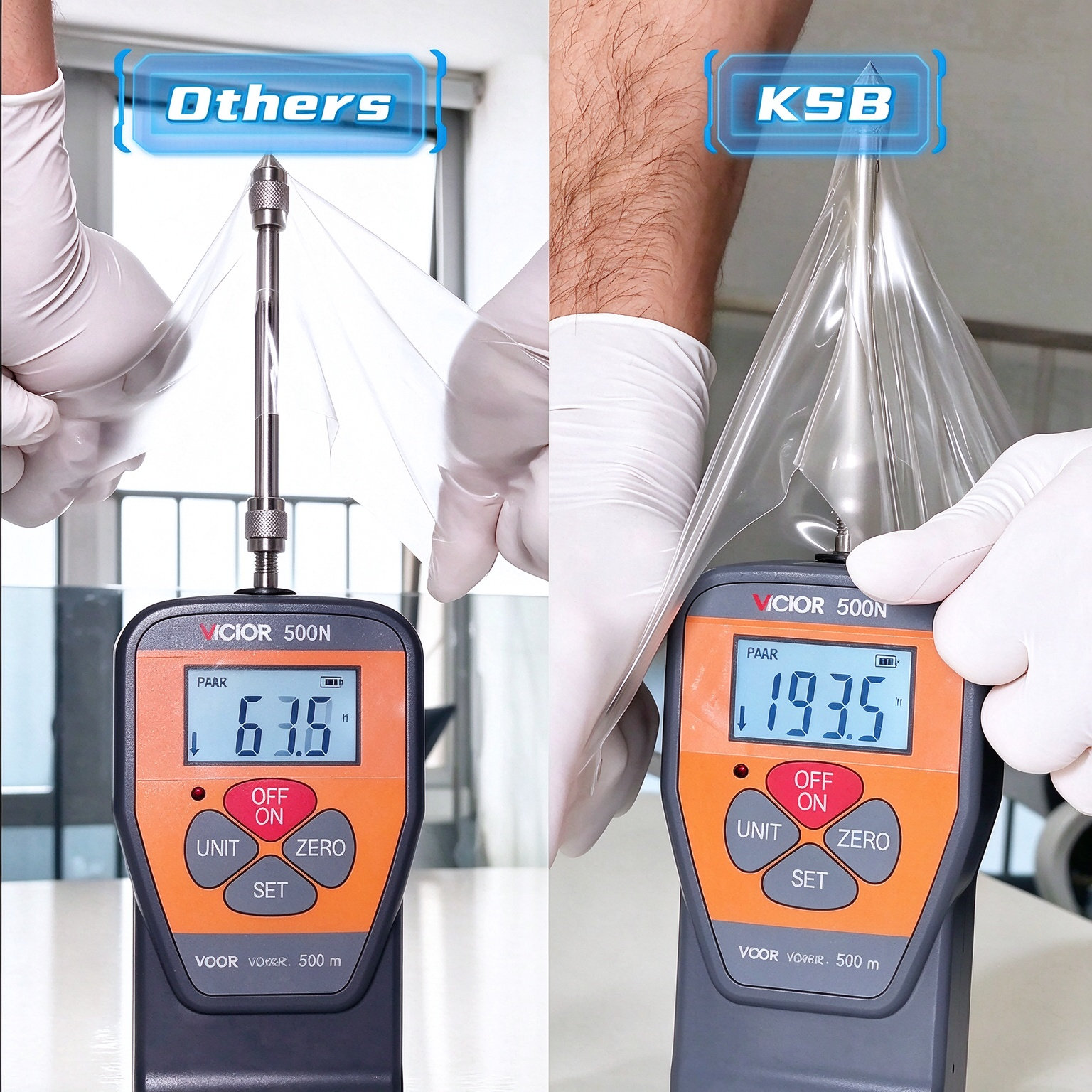
- Safety: Thicker films can prevent glass from shattering
However, the primary factor when comparing 20%, 50%, and 70% VLT is transparency.
Our Window Film Options
We offer window films with controlled VLT suitable for both vehicles and buildings:
- 20%, 50%, and 70% VLT options
- Nano ceramic coatings for heat and UV rejection
- Safety films to reduce shatter risk
- Easy installation on side, rear, front windows or building glass panels
Choosing the right VLT ensures the perfect balance of privacy, light, and comfort for any application.
Get a Free Sample or Quote
Looking for a reliable window film supplier? Contact us today for fast response and professional support.