Choosing the right window film can significantly improve comfort, protect interiors, and enhance safety. This guide explains the differences between Anti-Glare Window Film and Regular Window Film, helping you decide which solution works best for your vehicle, home, or office.
Understanding Anti-Glare Window Film
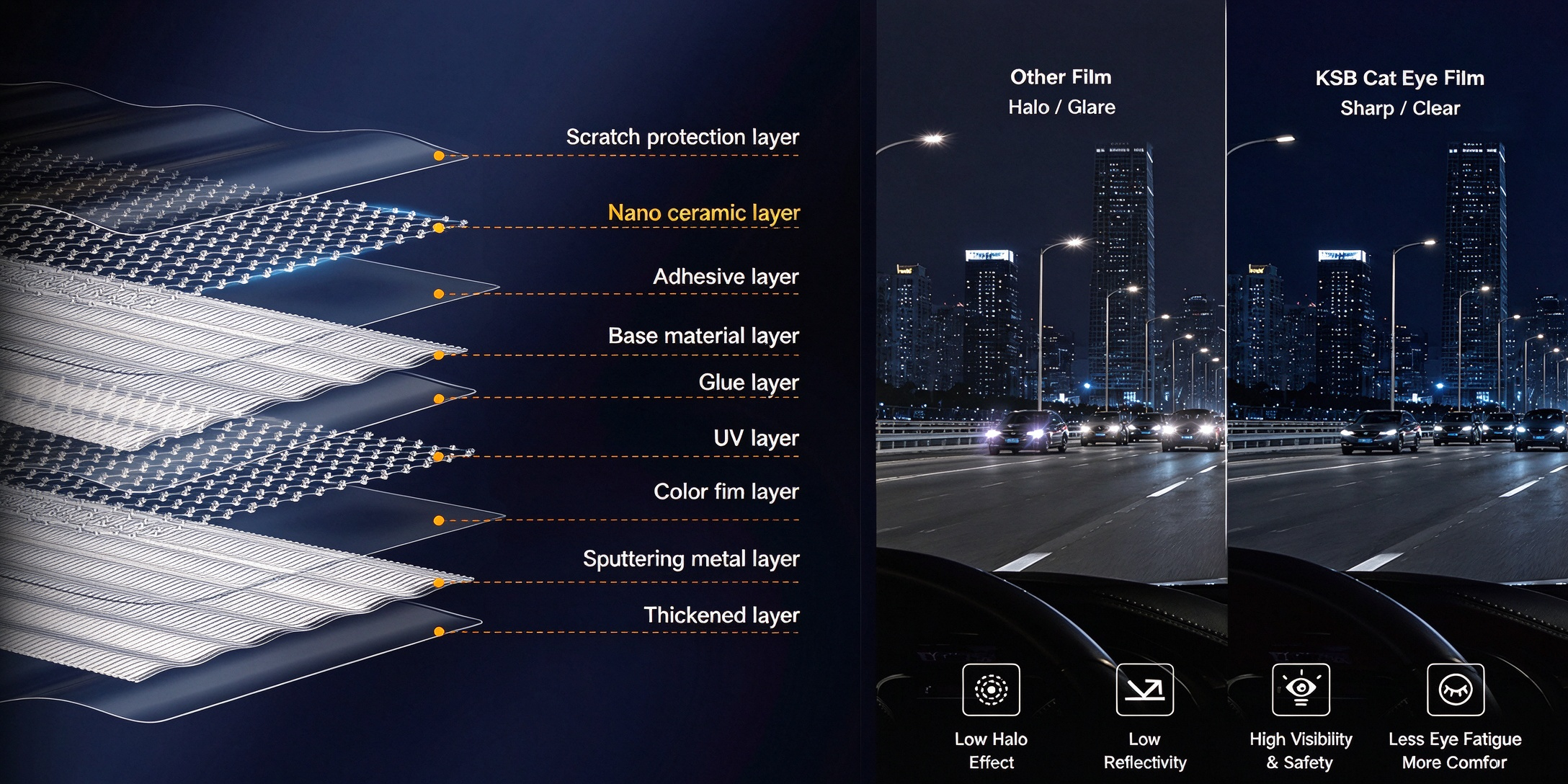
Anti-glare window film reduces reflections and harsh sunlight, creating a more comfortable environment. It scatters light evenly, helping users avoid eye strain while keeping a clear view.
Key benefits include:
- Reduces glare and eye fatigue
- Blocks UV rays to protect furniture, flooring, and electronics
- Provides moderate heat rejection
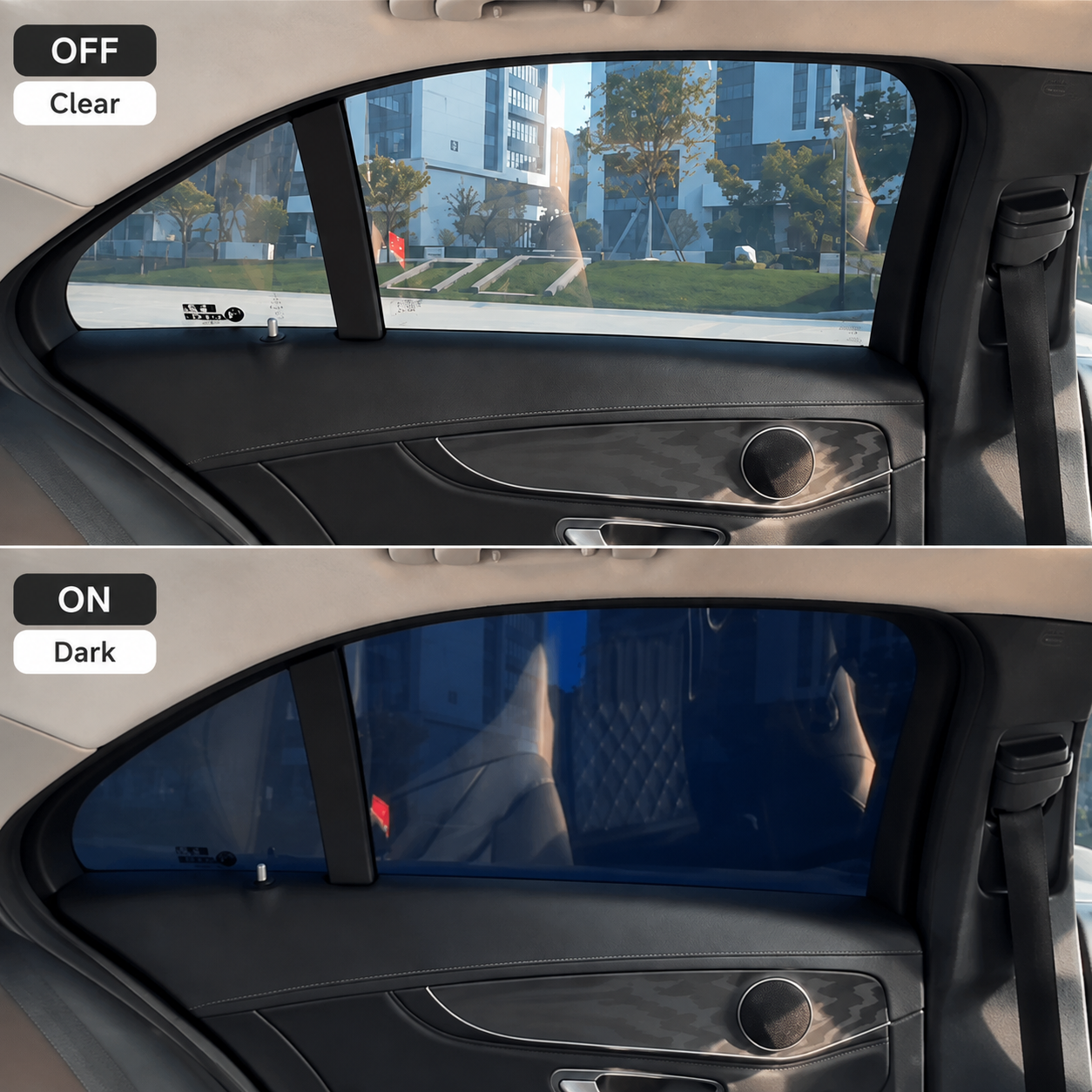
For additional functionality, such as privacy control or antibacterial protection, explore our PDLC Smart Film and Negative Ion Antibacterial Window Film.
What Regular Window Film Offers
Regular window film mainly blocks UV rays and reduces heat. It may offer some tint for privacy, but it does not specifically reduce glare, so bright sunlight can still cause discomfort.
For enhanced heat reflection, consider our metallic window films.
Key Differences
| Feature | Anti-Glare Film | Regular Film |
|---|---|---|
| Glare Reduction | High – reduces reflections and eye strain | Limited |
| Heat Rejection | Moderate to high | Varies |
| UV Protection | ≥99% | 95–99% |
| Visual Comfort | High | Standard |
| Optical Clarity | Clear | Minor haze possible |
Benefits of Anti-Glare Window Film
Using anti-glare film can:
- Improve comfort for driving, working, or relaxing
- Protect interiors from UV damage
- Reduce energy costs by lowering heat gain
- Be combined with functional films for added benefits
Applications
- Automotive: Windshields, side, and rear windows
- Offices: Reduce glare on screens and improve productivity
- Residential: Sunrooms, living rooms, and other sun-exposed areas
- Commercial Buildings: Storefronts, hotels, and public spaces
How to Choose the Right Film
To select the best film:
- Determine the level of glare reduction you need
- Check VLT (Visible Light Transmission) and UV protection
- Decide on tint or color preferences
- Consider additional features like privacy or antibacterial protection
- Work with a reputable manufacturer that provides verified quality (ISO-certified factory)
FAQ
Q1: Can anti-glare film be used in vehicles?
Yes, it’s ideal for windshields and side windows to reduce glare while driving.
Q2: Does anti-glare film block UV rays?
Yes, most high-quality films block ≥99% of UV to protect interiors.
Q3: Can it be combined with other functional films?
Yes, it can work with PDLC Smart Film or Negative Ion Antibacterial Film for privacy and health benefits.
Q4: How long does anti-glare film last?
High-quality films typically last 5–10 years with proper installation.
Q5: Are your films factory-produced?
Yes, all films are produced in-house under strict quality control at our ISO-certified factory
Get a Free Sample or Quote
Looking for a reliable window film supplier? Contact us today for fast response and professional support.