Anti-Glare Window Film for Offices: How to Fix Screen Glare Without Losing Natural Light
Published: August 25, 2026 · 7 min read · Category: Architectural Window Film
About this article: KSB Window Film manufactures solar control and low-reflectance architectural film. Glare reduction is one of the most consistent requirements we hear from office building owners and facilities managers across our export markets.
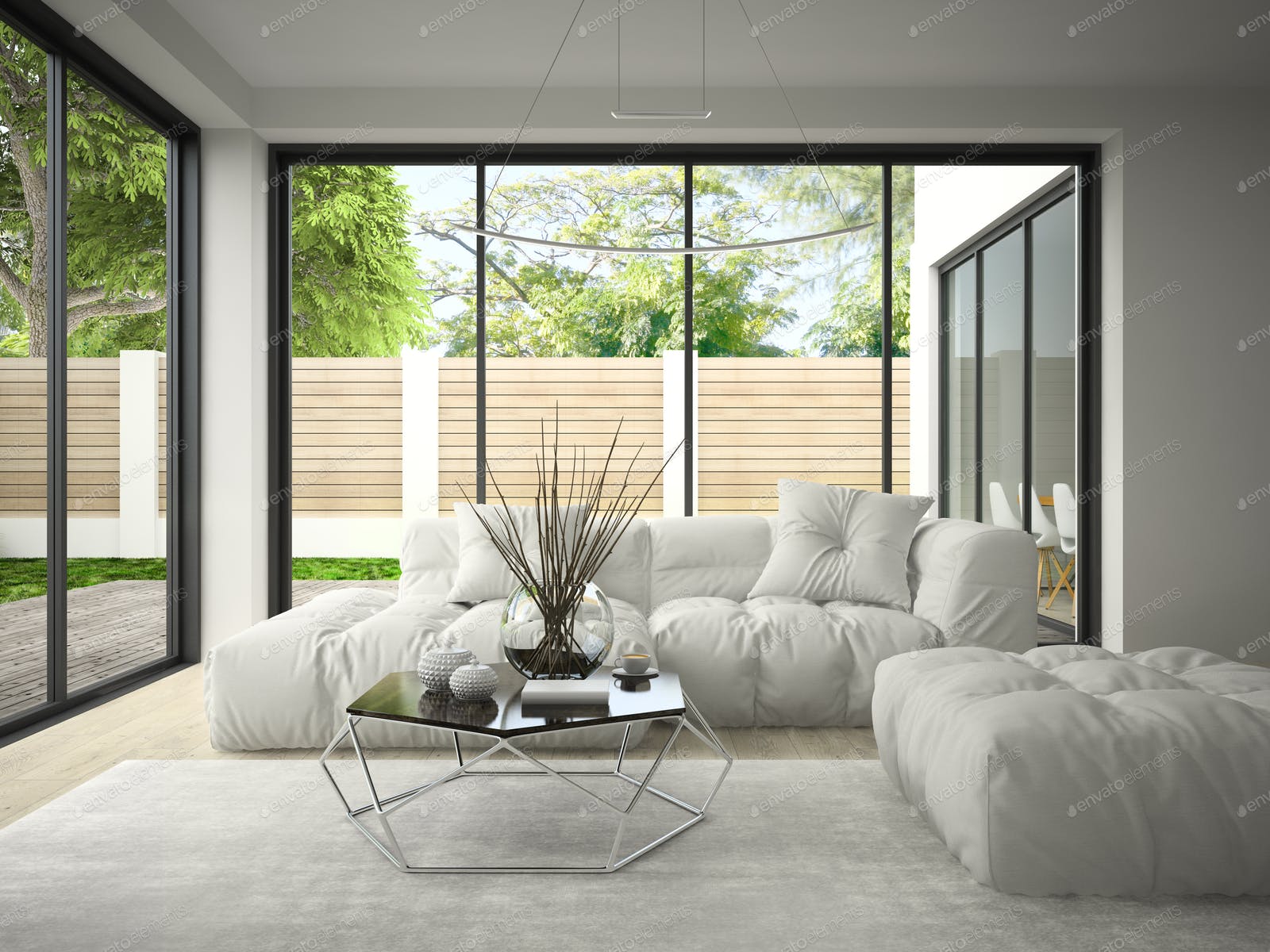
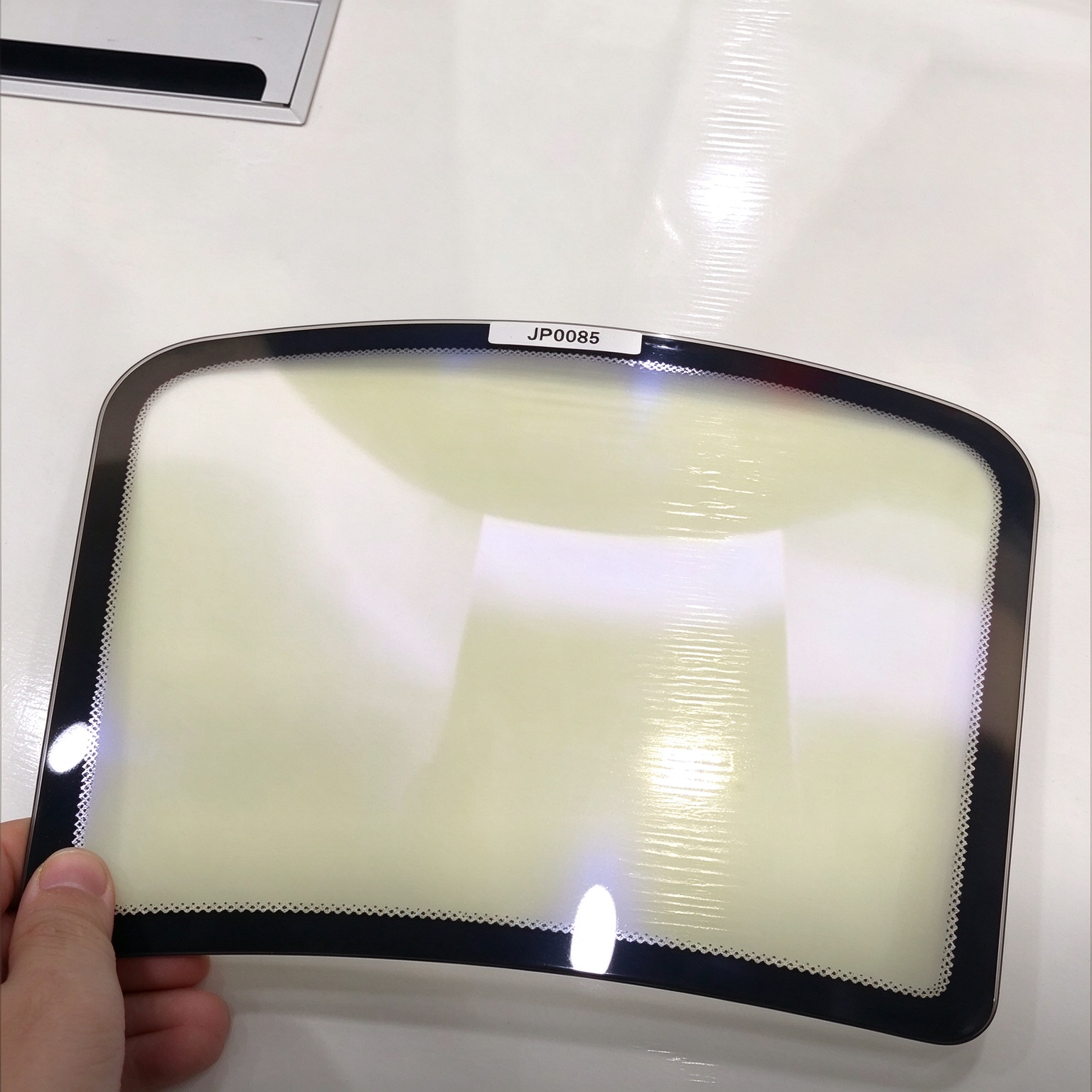
high clarity safety film maintains natural light and creates a clean, bright indoor environment while providing protection
Screen glare is one of the most consistently complained-about issues in modern office environments, and it’s also one of the most avoidable. The frustrating part is that it typically gets worse just as the office design is at its most appealing — large windows, open plan, plenty of natural light. The same glazing that makes the space feel good on a grey morning creates an unusable workstation bank every sunny afternoon.
Blinds are the standard response. They work, but they eliminate the natural light entirely, forcing artificial lighting, reducing occupant wellbeing, and creating the paradox of a modern glass building where everyone works under fluorescent lights with the blinds down.
Window film is the better solution for most office glare problems — but not every film type delivers what the brief requires. This article covers what’s actually happening with screen glare, which film types address it effectively, and what to watch out for when specifying.
What Causes Screen Glare in Offices
Screen glare in offices has two distinct causes, and it’s important to know which you’re dealing with:
Direct glare: The sun’s direct beam enters the window and falls on a monitor screen or in a worker’s line of sight. This is the aggressive, sharp glare that makes a workstation completely unusable for several hours on sunny days. It’s directional and time-dependent — worst in western offices in the late afternoon, worst in eastern offices in the morning.
Indirect glare (veiling reflections): Diffuse sky brightness or bright window surfaces create reflections visible in monitor screens — a lower-level but persistent problem that washes out screen contrast throughout the day. Not as aggressive as direct glare but more constant and covering more workstations.
Most office glare problems are a combination of both, with direct sun glare dominating at certain times and indirect veiling reflections persistent throughout the day.
The VLT and Haze Tradeoff
This is where the film specification gets complicated, and where many poorly specified installations fail to solve the problem.
VLT (Visible Light Transmittance) is how much visible light the film passes. Lower VLT = darker = more glare reduction. But lower VLT also means less natural light enters the space, forcing more artificial lighting — which partly defeats the purpose.
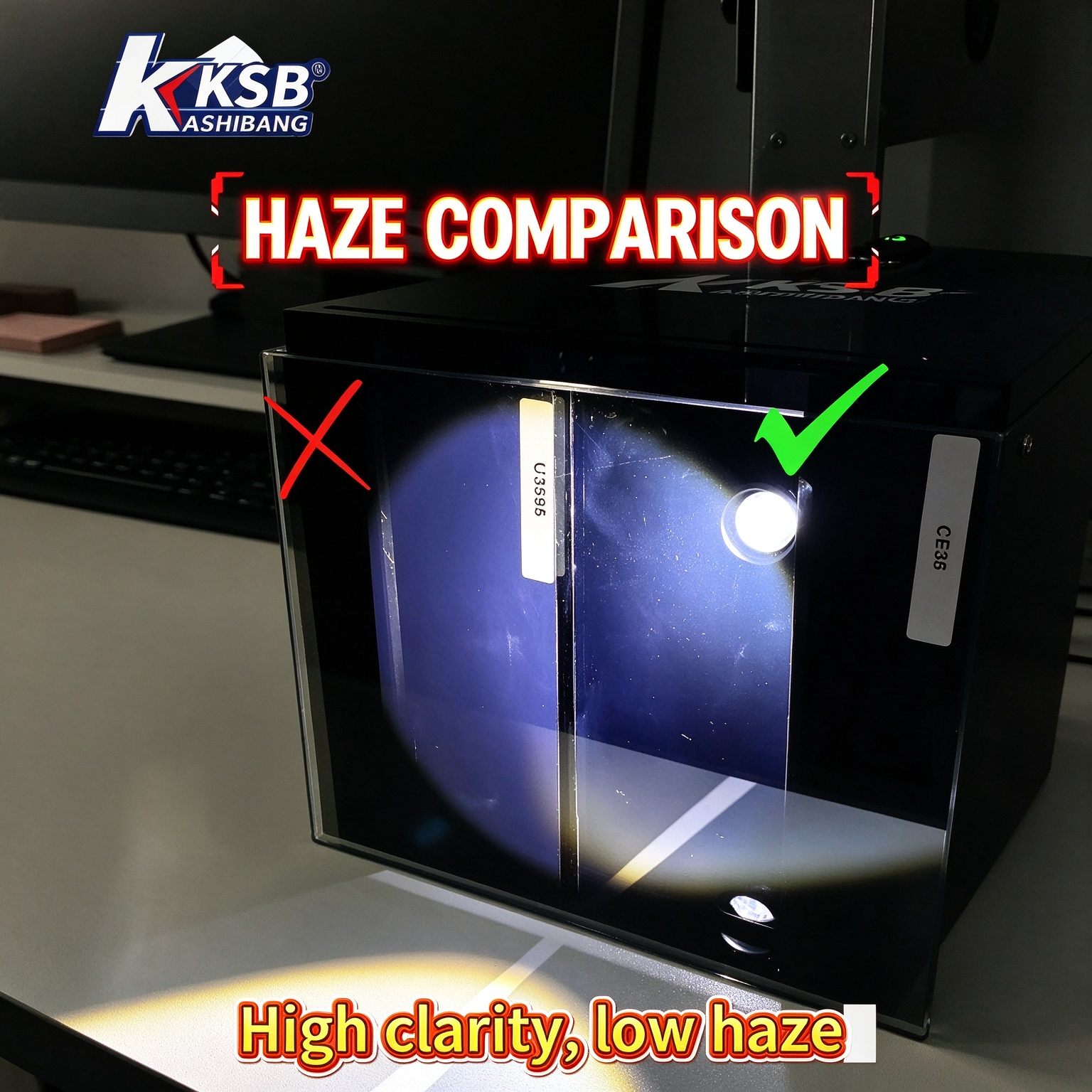
Haze is the degree to which the film diffuses light. Some films have low haze (optically clear) which maintains view quality. Others have higher haze, which scatters light in ways that can reduce direct beam glare but also reduce view clarity.
The right specification for most office glare problems:
For direct sun glare on specific elevations: A neutral-tinted solar control film at VLT 35–50% on the problematic elevation. This reduces the intensity of direct solar radiation entering the space sufficiently to manage direct beam glare while preserving meaningful natural light. At 40% VLT, the space still feels naturally lit; at 20% VLT, artificial light supplementation becomes necessary.
For diffuse sky glare (veiling reflections): Lower VLT (20–35%) has more effect on diffuse sky brightness, which is harder to manage than direct beam. Some facilities managers try glare reduction with 40% VLT film and find it insufficient because the problem is diffuse rather than direct — the lower VLT tier solves it.
Avoid: Films marketed specifically as “anti-glare” with high haze often produce a diffused, milky view quality that office occupants find objectionable even when the glare problem is resolved. Optically clear solar control film at the right VLT generally produces better results than hazy “anti-glare” specialist film.
Reflective vs. Non-Reflective Film for Glare Management
Reflective film reflects incoming solar radiation — including the visible light component — back outward. This is highly effective at reducing both direct glare and diffuse sky brightness. Reflective film at 25% VLT provides excellent glare control.
The downside: the exterior appearance is a mirror. The interior view looking out is darker than with equivalent non-reflective film. And in evening conditions with interior lighting on, the reflective quality appears on the inside — occupants can see reflections of the interior on the glazing.
Non-reflective / neutral film achieves glare reduction through absorption rather than reflection. The exterior appearance is subtle — a slight tinting effect. Interior view quality is generally better than reflective film at equivalent VLT. The glare reduction performance is slightly lower per VLT level compared to reflective film.
For most office environments, non-reflective neutral solar control film at VLT 35–45% provides the best balance: meaningful glare reduction, maintained view quality, subtle exterior appearance, and no evening reflection issues. Reflective film is appropriate for facades where maximum glare control is needed and the mirror exterior appearance is acceptable or desirable.
Spectrally Selective Film: The Premium Option
Spectrally selective film specifically targets the infrared and UV portions of the solar spectrum for rejection while maximising visible light transmission. This achieves a TSER of 50–65% at VLT of 50–70% — less glare reduction per VLT than standard film, but less visual impact too.
For offices where natural light quality is the primary design priority and glare management is secondary, spectrally selective film represents the best balance. A 50% VLT spectrally selective film provides meaningful heat reduction and some glare improvement while preserving a close-to-natural-light experience.
For offices where glare is severe (direct afternoon sun on south or west facades, high solar irradiance), spectrally selective film at high VLT typically doesn’t provide enough glare reduction. Standard neutral film at 35–40% VLT is more effective.
Zoning: Not Every Window Needs the Same Film
The best office film specifications often zone different products to different elevations based on the specific glare problem:
South/West facade (Northern Hemisphere): 30–40% VLT neutral solar control for direct afternoon sun management
East facade: 40–50% VLT (morning sun, shorter exposure duration)
North facade: Minimal or no film in most situations — diffuse light only, minimal direct glare
This zoning approach avoids over-specifying film on facades that don’t have a glare problem, preserving natural light quality on those elevations while solving the problem where it exists.
FAQ
Will anti-glare film make the office darker?
At VLT 35–45%, the reduction in perceived brightness is noticeable but not dramatic for most occupants. The space retains a naturally lit character. Below 30% VLT, supplemental artificial lighting typically becomes necessary, particularly in deep floor plates. If your primary brief is to maintain maximum natural light while managing glare, specify the highest VLT that resolves the glare problem — usually 35–45% for direct sun glazing.
My building already has external solar shading. Do I still need film?
External shading (brise soleil, overhangs, fins) is highly effective at managing direct sun at high angles but often doesn’t address low-angle sun — which is precisely the problem in west-facing offices in late afternoon. External shading and internal film often address complementary aspects of the glare problem and can be specified together.
Can I apply film to just the lower half of windows (where screens are most affected)?
Partial-height film application is technically possible but produces a visible horizontal line across the glass that most occupants find objectionable. Full-pane application produces a clean result. If you want graduated film (denser at the top where sun enters, lighter at eye level), some specialist products offer gradient density — discuss this with your film supplier.
Does film help with LED screen reflections as well as sun glare?
Film primarily addresses external light sources (sun, sky brightness). LED screen reflections in glass partitions — where one screen’s light reflects in an adjacent glass partition — are a different problem that reflective film can exacerbate by adding another reflective surface. Internal glass partition films with matte or anti-reflective surface coatings address this, but they’re a different product category.
Solve the Glare Problem Without Losing the Natural Light
KSB Window Film’s architectural solar control range includes neutral low-reflectance films at VLT 30–70% — the products that solve glare without making the office feel cave-like. We provide comparison samples and technical data so your facilities team can make an informed specification decision.