Persistent Challenge in LA
The Latin American solar control market has long faced a persistent challenge: premature degradation of window films due to intense, prolonged ultraviolet and infrared exposure. In equatorial and tropical regions across Brazil, Mexico, Colombia, and Chile, standard window films frequently exhibit bubbling, peeling, discoloration, and rapid loss of thermal performance within short periods of installation. These durability pain points not only escalate replacement costs for automotive owners and building managers but also undermine confidence in solar protection technologies. To address these vulnerabilities, regional distributors are increasingly looking toward international manufacturing hubs capable of engineering high-stability, climate-specific solutions. Recognizing this demand, a leading Top 10 Solar Film Exporter In China is stepping forward with advanced material technologies engineered specifically to withstand extreme environmental stress, bridging the gap between high thermal efficiency and long-term functional resilience in the Latin American market.

What Is Solar Film
Solar film, fundamentally, is a multi-layered polyester laminate treated with various forms of climate-control technologies, including reflective metals, dye infusions, or nano-ceramic particles. Installed directly onto glass surfaces, its primary mechanism involves the selective filtering of the solar spectrum. It permits the transmission of visible light while absorbing or reflecting high-energy ultraviolet (UV) radiation and near-infrared (IR) wavelengths, which are the primary contributors to solar heat gain and material fading. By establishing a physical barrier against solar energy, these films significantly lower indoor and cabin temperatures, minimize glare, and block up to 99% of harmful UV rays. The ultimate value of this technology lies in its multi-faceted utility: it enhances passenger and occupant comfort, reduces energy consumption by lowering HVAC and air-conditioning loads, and protects interior upholstery, dashboards, and assets from photochemical degradation.
However, the performance of solar films depends heavily on the atmospheric conditions of their operating environment. In Latin America, the combination of high UV indices, elevated ambient humidity, and intense thermal cycling creates a severe testing ground for standard adhesives and weathering coatings. When low-grade films are exposed to these conditions, the polymers break down, causing the film to turn purple, blister, or lose its optical clarity. For Latin American importers, sourcing from a manufacturer that prioritizes chemical stability and mechanical durability is essential to establishing a sustainable market presence. China’s manufacturing sector has adapted rapidly to these global demands, moving beyond high-volume production to advanced material synthesis, establishing itself as a reliable source for high-performance solar protection films.
Understanding the Solar Spectrum and Film Degradation Mechanisms
To solve the durability issues prevalent in tropical regions, it is critical to understand how solar radiation interacts with window coatings. The solar spectrum reaching the Earth consists of ultraviolet light (100–400 nm), visible light (400–700 nm), and infrared radiation (700 nm–1 mm). Ultraviolet radiation, despite comprising a small percentage of total solar energy, possesses high photon energy capable of breaking chemical bonds within standard dyed or metalized films. This chemical rupture is what leads to color fading and brittleness.
Infrared radiation, on the other hand, is felt as radiant heat. When a window film absorbs infrared energy without an efficient thermal dissipation mechanism, the glass temperature rises significantly. This intense thermal loading causes differential expansion between the glass substrate and the polyester film, putting immense mechanical stress on the mounting adhesive. Standard adhesives often fail under sustained thermal cycling, manifesting as the bubbling and blistering frequently seen in vehicles and buildings across Latin America. Addressing these factors requires a fundamental upgrade in the chemical composition of both the base substrate and the adhesive matrix.
Advanced Material Engineering: Solving the Durability Pain Points
Advanced Chinese exporters have resolved these regional durability issues by implementing multi-layered nano-ceramic and co-extrusion technologies. Rather than relying on superficial organic dyes that decompose under sunlight, modern high-durability films utilize inorganic ceramic particles, such as antimony tin oxide (ATO) or indium tin oxide (ITO). These nano-particles are intrinsically stable and do not degrade or change color over time, ensuring that the film maintains its infrared rejection capabilities throughout its operational lifespan.
Furthermore, solving the adhesive failure requires utilizing high-molecular-weight acrylic adhesives infused with UV absorbers (UVA). These specialized adhesives remain optically clear and structurally intact under prolonged UV exposure and extreme temperature fluctuations. By combining stable inorganic compounds with robust weather-resistant adhesives, these specialized products effectively solve the long-standing durability pain points, providing Latin American distributors with a product line that delivers consistent performance over many years.
Deep Drive into Specialized Solutions: Sunroof and Architectural Innovations
A clear demonstration of this advanced engineering can be found in specialized applications, such as high-exposure sunroof films. Automotive sunroofs receive the highest density of direct solar radiation, making them the most vulnerable to thermal stress and mechanical failure. Standard window films applied internally often fail to prevent the glass from overheating, which can compromise cabin comfort and safety.
To counter this, leading manufacturers have engineered specialized sunroof protection films designed for external or highly stable internal application. These films integrate advanced multi-layer sputtered metal or ceramic configurations that emphasize reflection over pure absorption. By reflecting infrared energy before it penetrates the glass matrix, these films maintain a lower thermal profile across the entire glass assembly. This specialized technology, detailed on advanced product showcases like the KSB Sunroof Film Case Study, highlights how targeted engineering can completely eliminate the bubbling and peeling risks associated with high-thermal-load surfaces, offering an ideal blueprint for residential and commercial architectural installations facing similar environmental exposure.
The Role of KSB
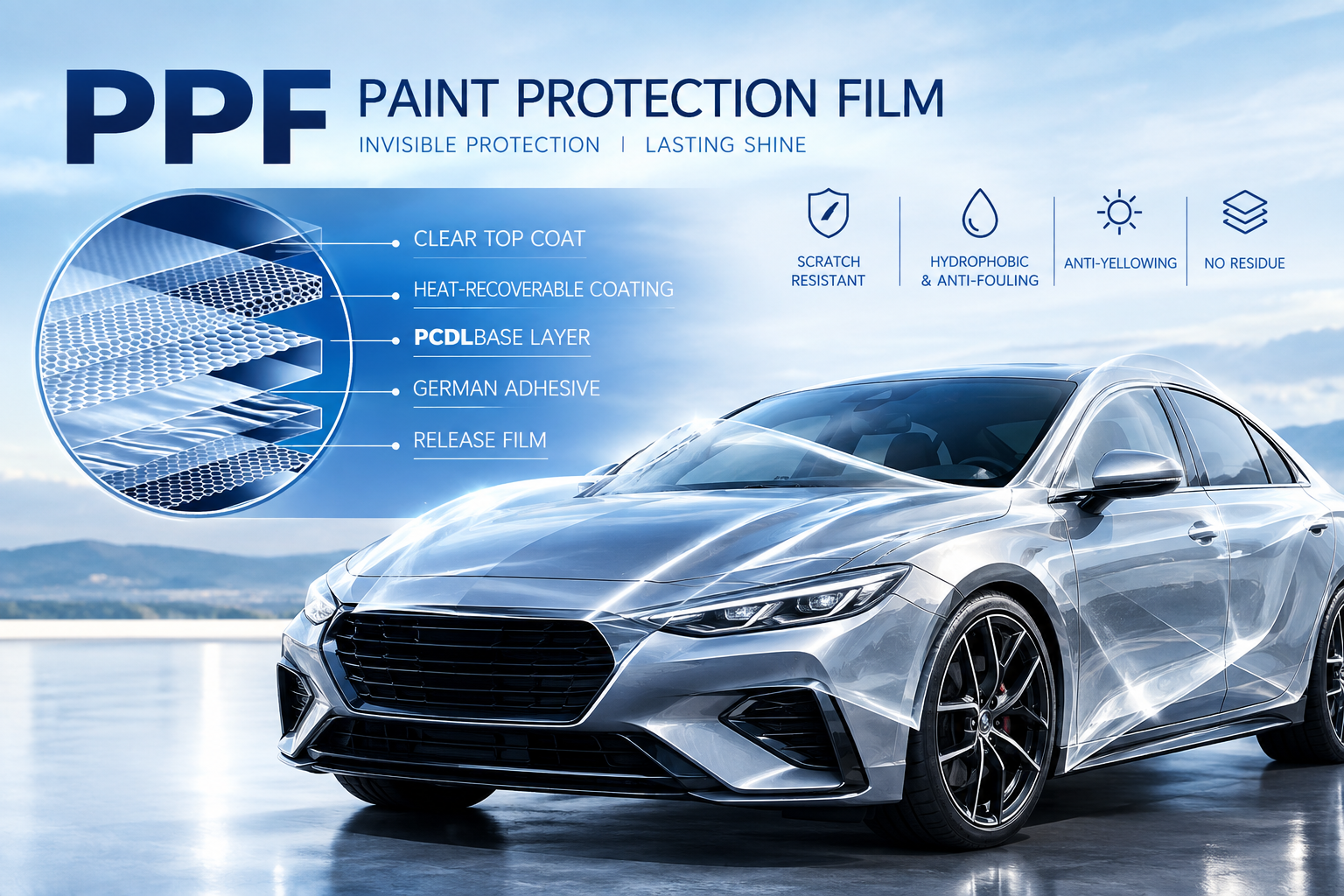
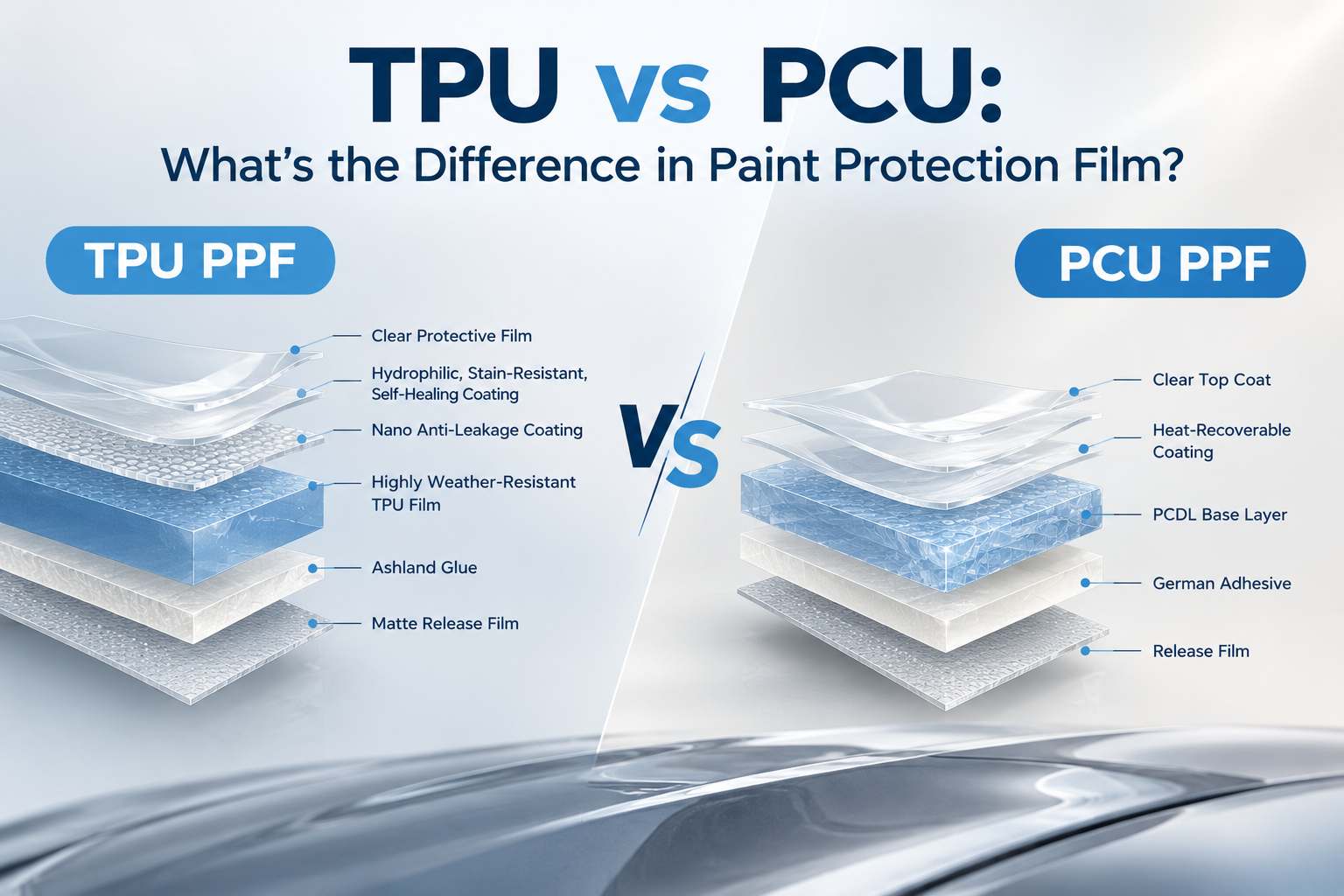
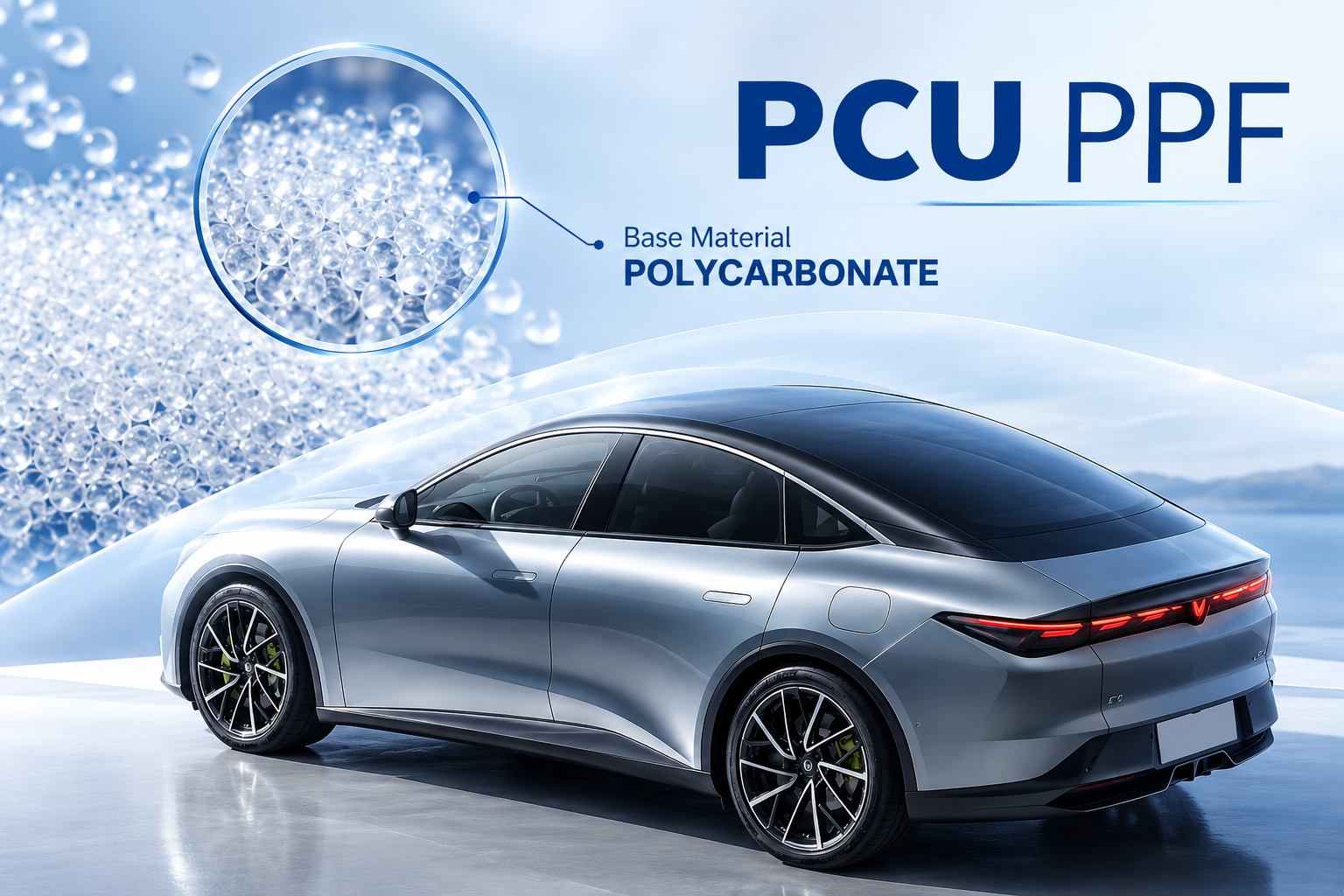
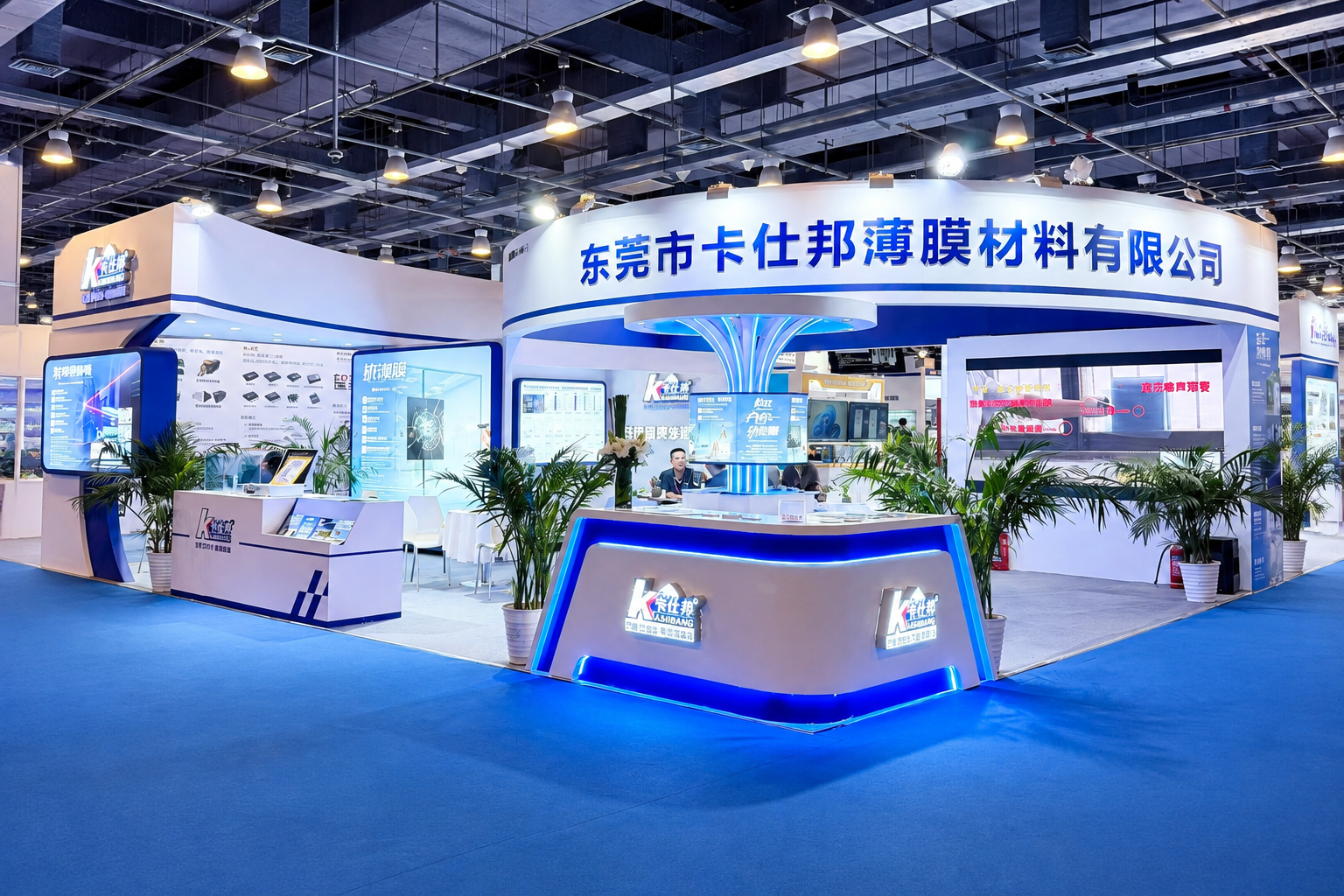
The transition from a standard product to a globally competitive solar film requires rigorous quality control and manufacturing precision. As a professional OEM/ODM window film manufacturer with over twenty years of experience, KSB exemplifies the operational depth required to serve demanding international markets. Specializing in automotive film, paint protection film (PPF), smart film, and architectural film solutions worldwide, the company relies on highly automated precision coating lines and cleanroom environments to prevent microscopic contamination, which is a primary cause of film delamination.
To guarantee durability in regional climates like Latin America, products must undergo accelerated weathering tests, including intensive UV exposure, high-humidity simulation, and extreme thermal cycling tests. This systematic approach ensures that every batch maintains structural integrity, optical clarity, and color stability before export. For global distributors, partnering with a manufacturer that controls the entire OEM/ODM pipeline means product specifications can be customized precisely to match regional weather profiles, ensuring localized durability and performance.
Strategic Supply Chain Advantages for Latin American Importers
Beyond technical performance, establishing a reliable partnership with a Top 10 solar film exporter offers critical supply chain advantages for businesses across Latin America. Sourcing directly from an experienced manufacturer provides access to stable pricing, scalable production capacities, and continuous product innovation. This direct integration eliminates intermediary costs, allowing regional distributors to offer premium, highly durable solar control solutions at competitive market rates.
As the Latin American market matures, consumer demand is shifting decisively away from low-cost, short-lived alternatives toward products backed by verifiable durability and performance. By aligning with a verified Chinese manufacturer that balances technological innovation with extensive OEM/ODM capabilities, international buyers can secure a robust product portfolio that solves local environmental challenges, enhances customer satisfaction, and drives long-term business growth.
For more detailed technical specifications, product catalogs, and corporate capabilities, please visit the official website at https://www.ksbwindowfilm.com/.
Get a Free Sample or Quote
Looking for a reliable window film supplier? Contact us today for fast response and professional support.