KSB Cat Eye Automotive Window Film
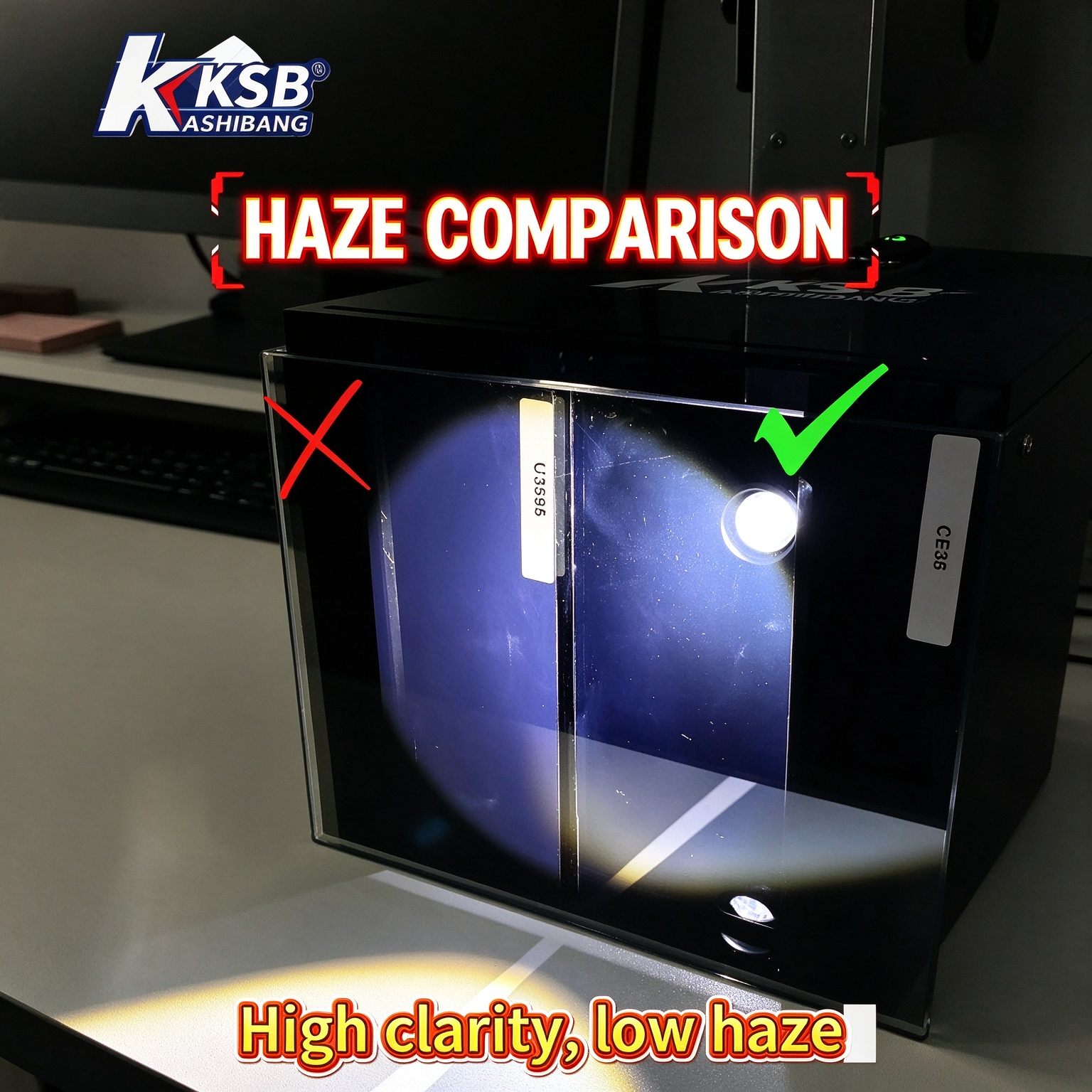
KSB 5th Generation Ceramic Ultra-Clear Technology combines high optical clarity, low haze, and glare control for clear visibility and comfortable driving in different lighting conditions. Sputtering 99% High Heat Rejection CE-T Series Model VLT IRR (950nm) IRR (1400nm) UVR TSER Int. Ref. Ext. Ref. Haze Thickness CE-T35 36% 99% 99% 99% 64% 11% 15% 0.43 […]
JP8895 Chameleon Windshield Film | KSB
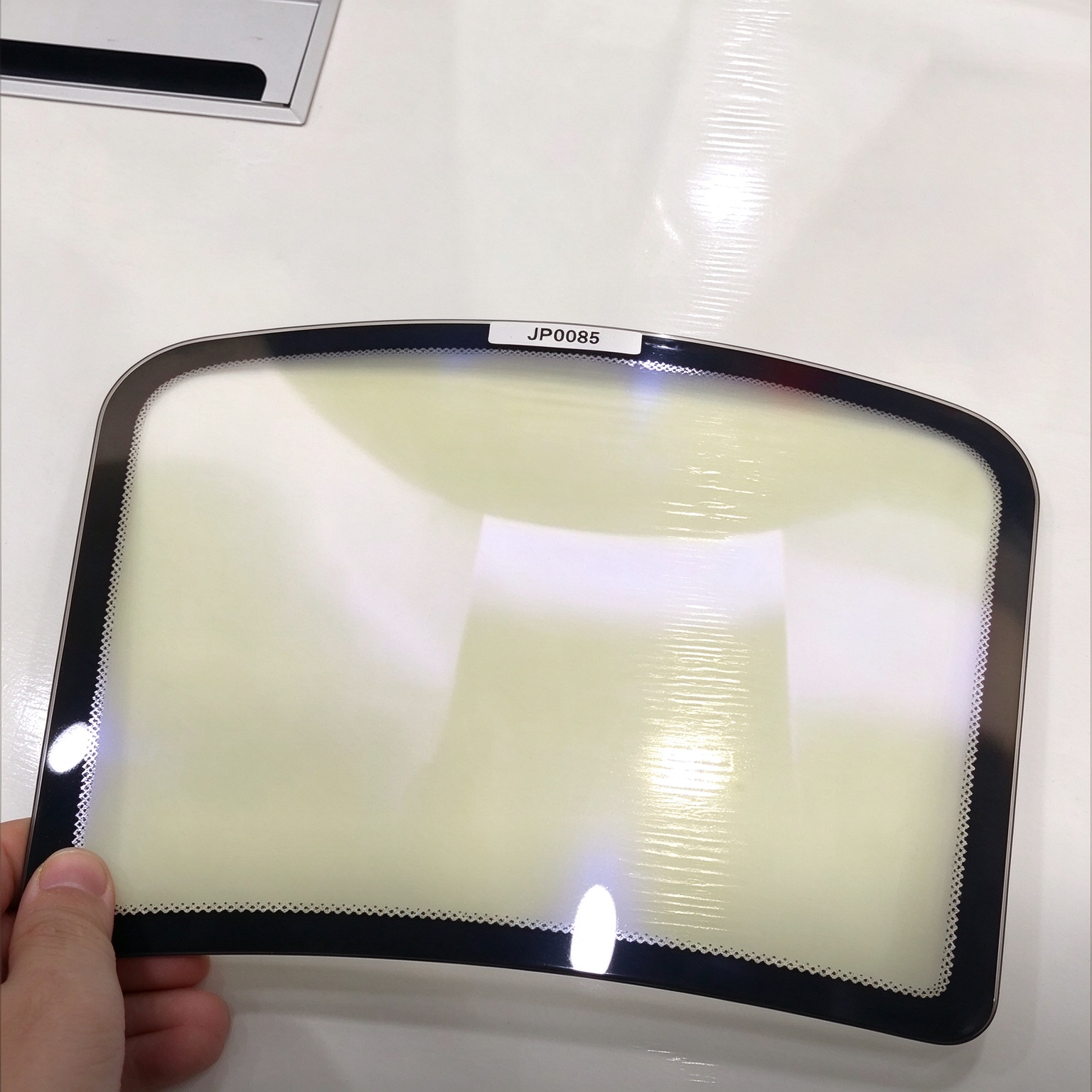
KSB JP8895 Chameleon Windshield Film features a distinctive color-shifting effect that adds a stylish, dynamic appearance to automotive front windshields.
KSB PET Fire-Resistant & Stain-Resistant Film
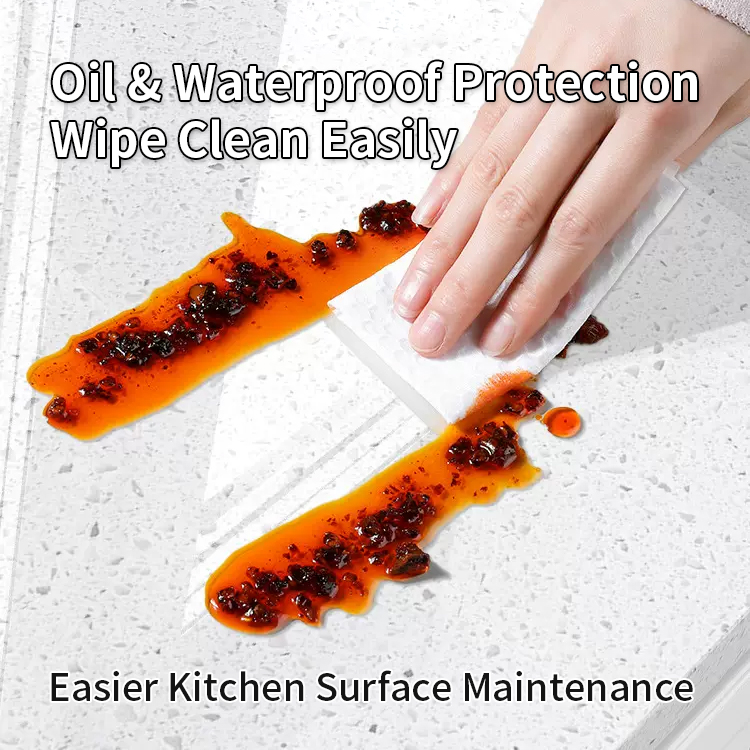
KSB PET fire-resistant and stain-resistant film helps protect kitchen countertops, furniture, and other surfaces from flame exposure, stains, and everyday use.
Windshield Protection Film for Highway and Long-Distance Driving
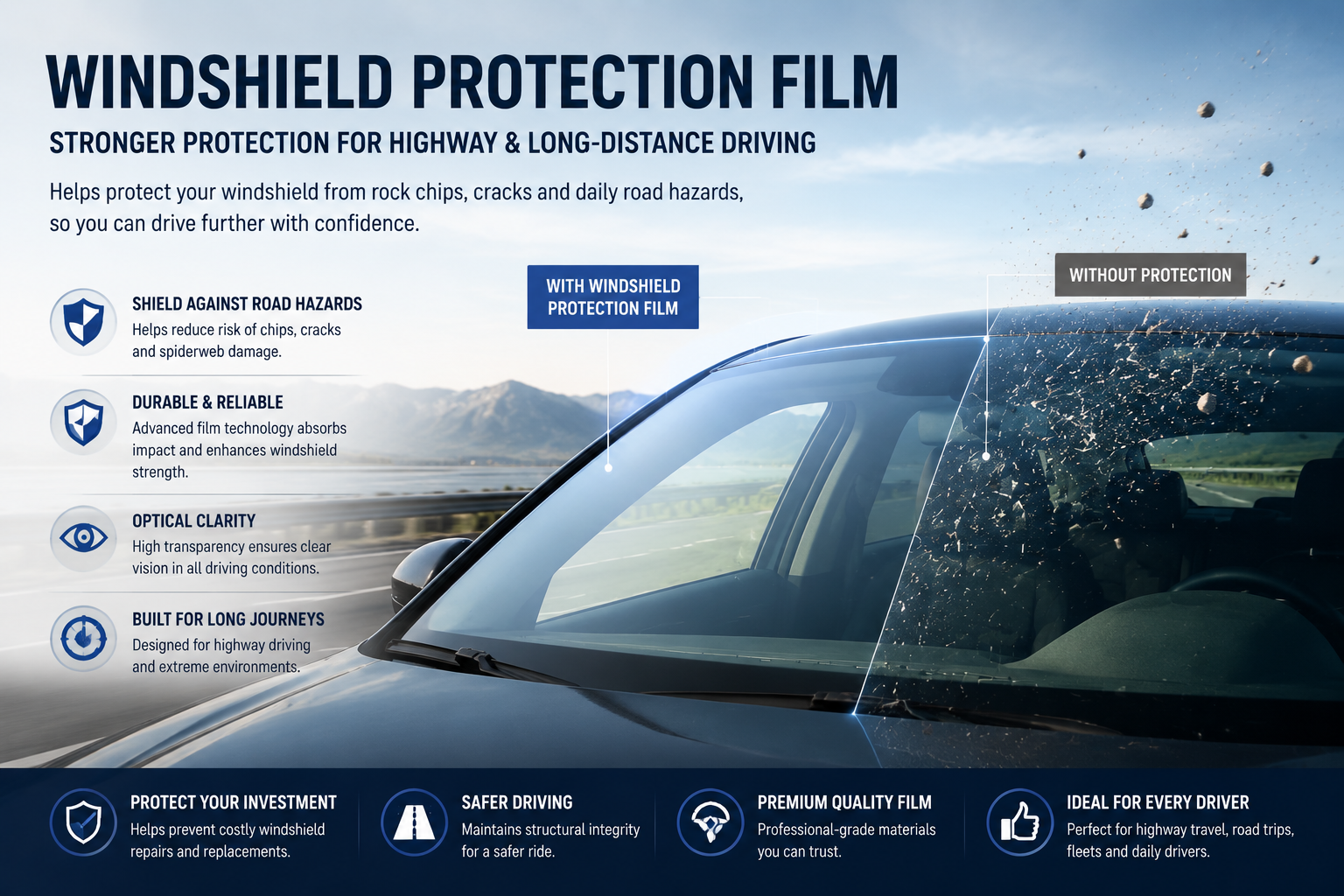
Windshield protection film is designed for highway and long-distance driving conditions where stone chips and road debris create frequent windshield damage risks. This guide explains how film reduces impact damage, what thickness is suitable for high-mileage vehicles, and why it delivers strong ROI for drivers and fleets.
KSB Automotive Film Factory
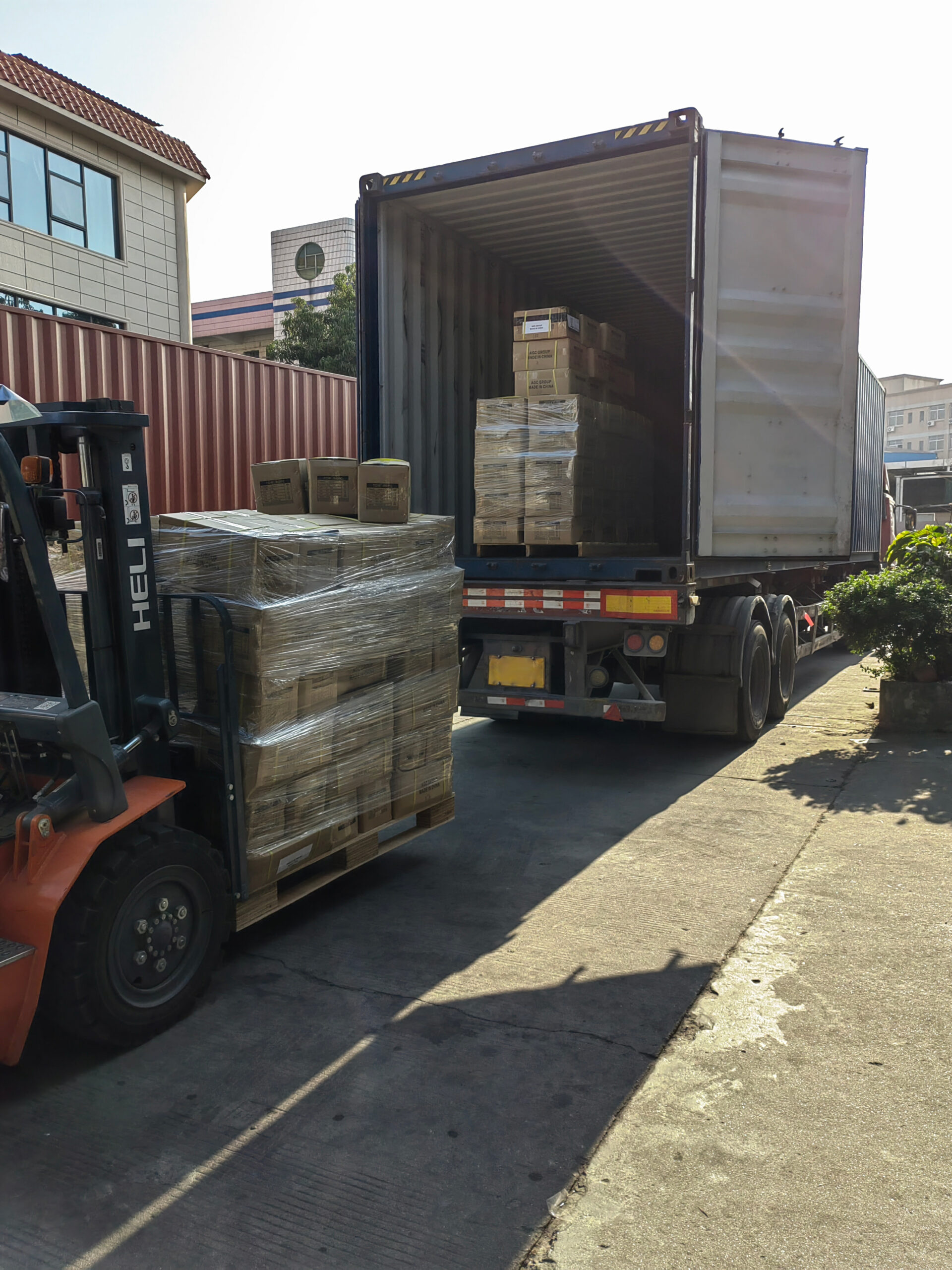
Explore KSB’s automotive film factory, featuring PPF, windshield film, and automotive window film production, with OEM and ODM customization services for global partners.
KSB PET Fire-Resistant Film Burn Test | KSB
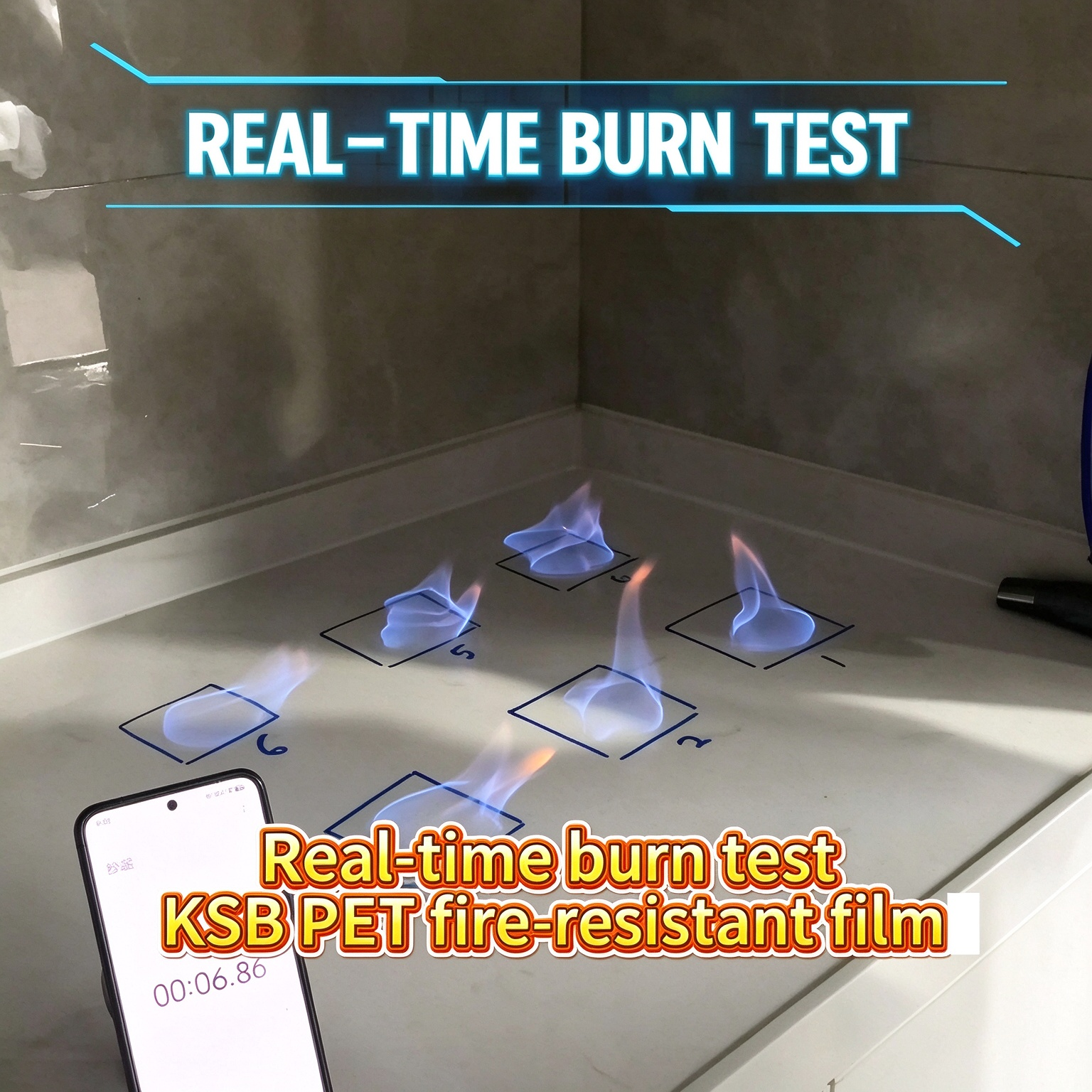
Watch KSB PET fire-resistant film undergo a flame exposure demonstration for kitchen countertops, furniture, and other surface applications.
Nano Ceramic Window Film UV Test | KSB

Watch KSB Nano Ceramic Window Film demonstrate 99% UV rejection, highlighting ultraviolet protection for automotive glass and vehicle interiors.
The 2026 Canton Fair opens today!
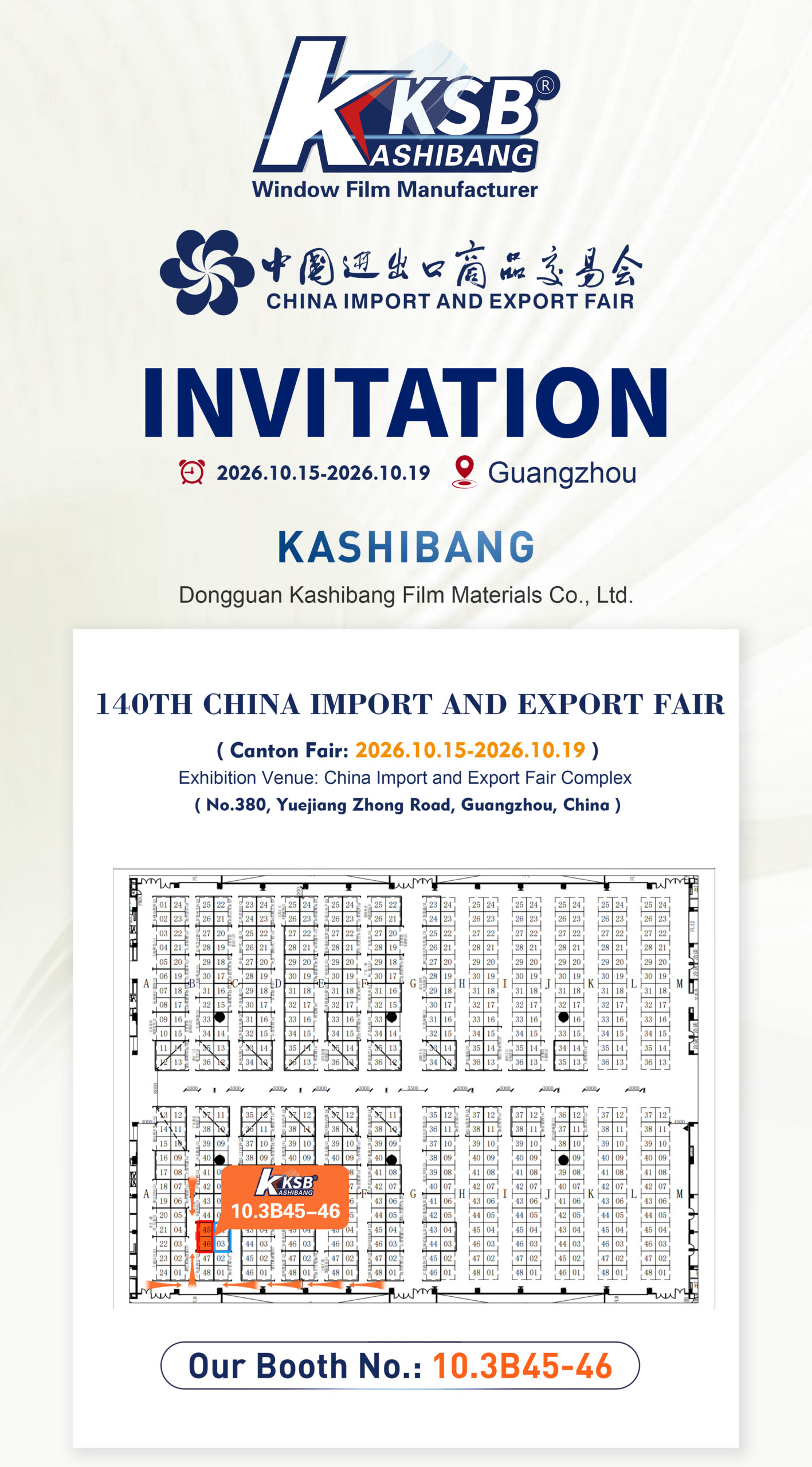
Visit KSB at the 2026 Canton Fair to explore automotive window film, architectural film, PPF, and innovative film solutions. Find us at Booth 10.3B45–46.
KSB Countdown to the 2026 Canton Fair | See You Tomorrow!
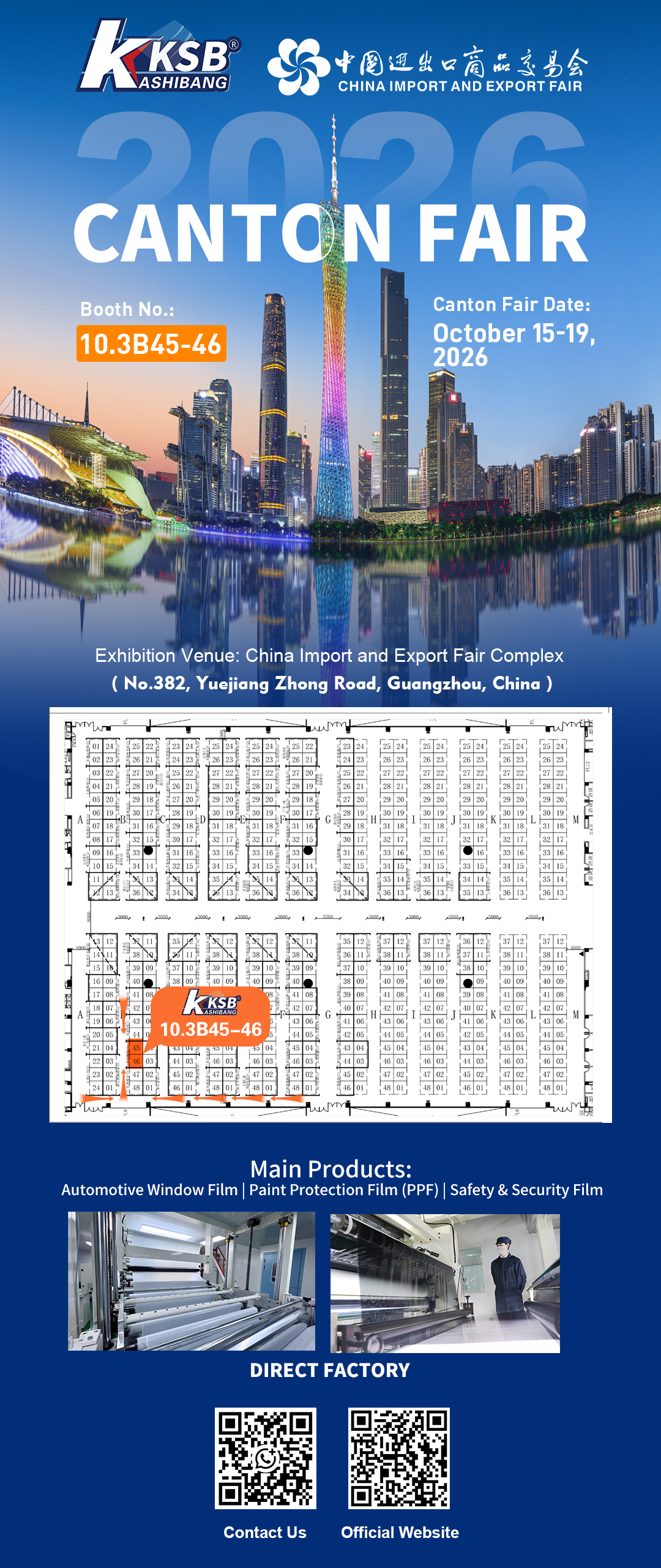
Meet KSB at the 2026 Canton Fair, October 15–19, at Booth 10.3B45–46. Explore PPF, automotive window film, nano ceramic film, architectural film, and safety film with factory-direct, OEM, and private label services.
Windshield Film | KSB
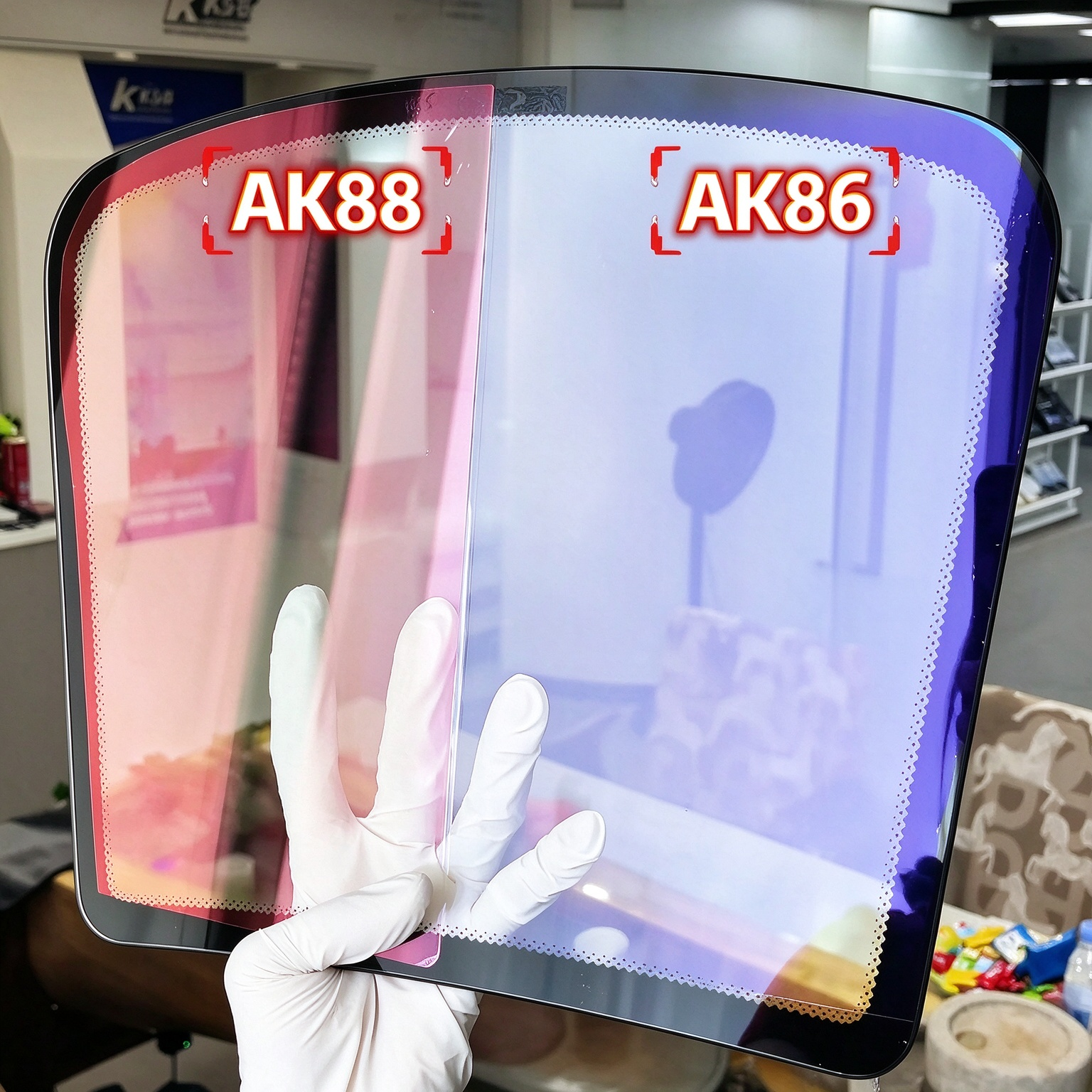
Compare KSB AK86 blue-purple and AK88 red windshield films, featuring high visible light transmission, 99% UV rejection, and heat-activated instant self-healing performance.