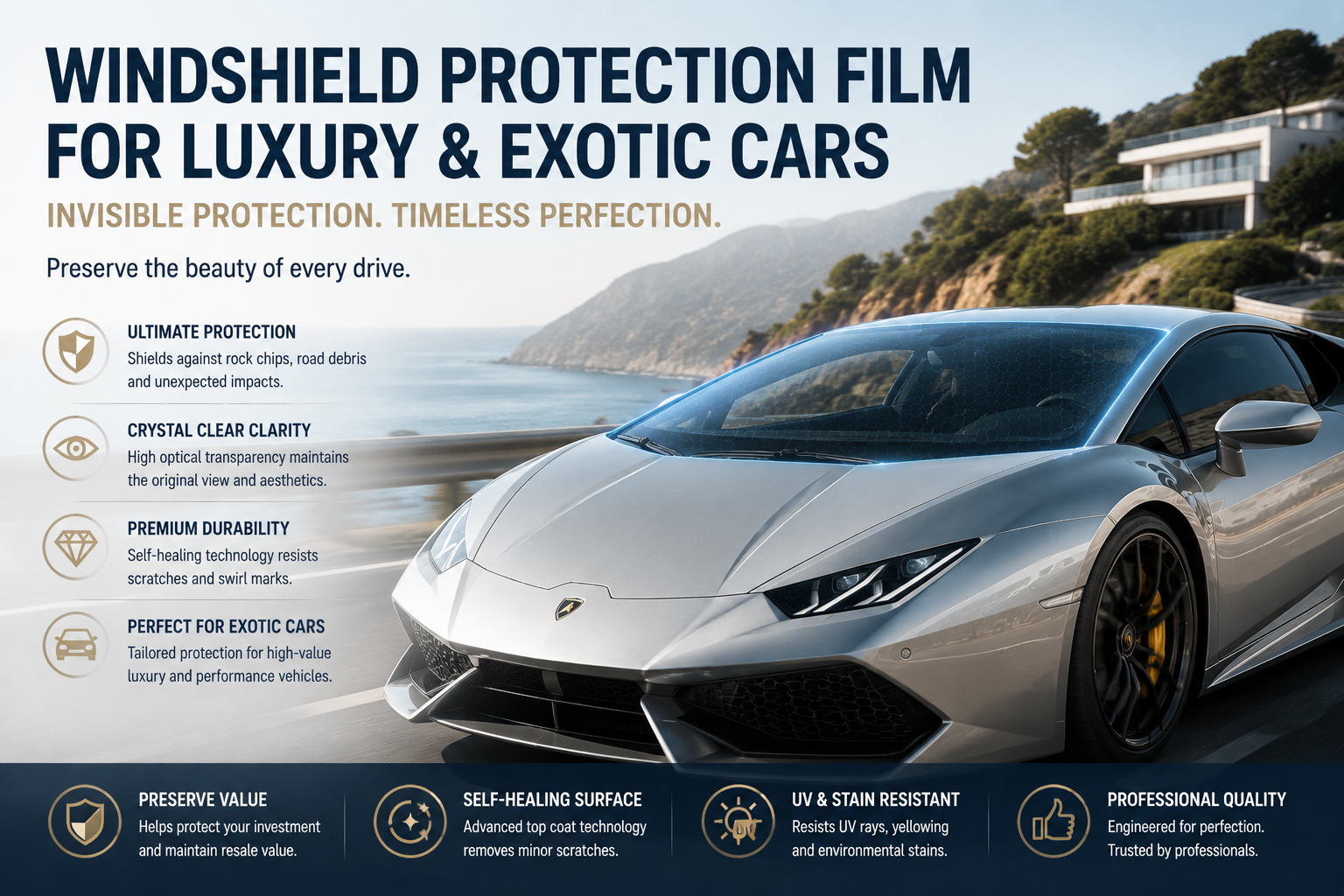
PPF and ceramic coating are two popular ways to protect vehicle paint. Both improve appearance and help reduce long-term paint damage, but they work differently and offer different levels of protection.
If you are comparing PPF vs ceramic coating, understanding the real differences can help you choose the right solution for your car and driving conditions.
What is PPF?
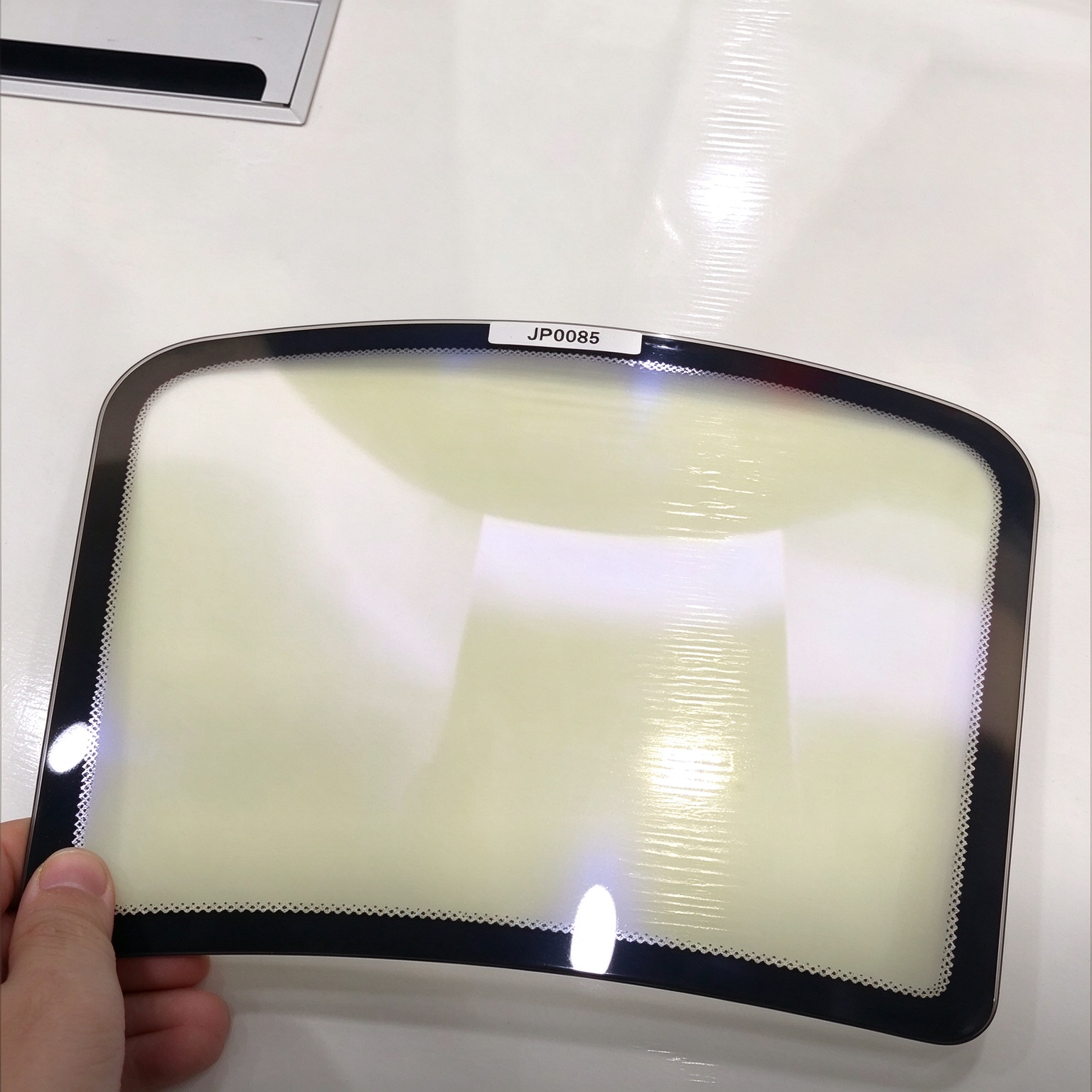
PPF (Paint Protection Film) is a transparent TPU film installed directly on painted surfaces.
It helps protect against:
- Stone chips
- Light scratches
- Road debris
- Daily wear
- UV exposure
You can also read our What is PPF Film and How Does It Work guide for more details about TPU structure and self-healing performance.
What is Ceramic Coating?
Ceramic coating is a liquid protective coating applied to the paint surface. After curing, it forms a thin layer that helps repel:
- Water
- Dust
- Dirt
- Chemical contaminants
Its main advantages include:
- Better gloss
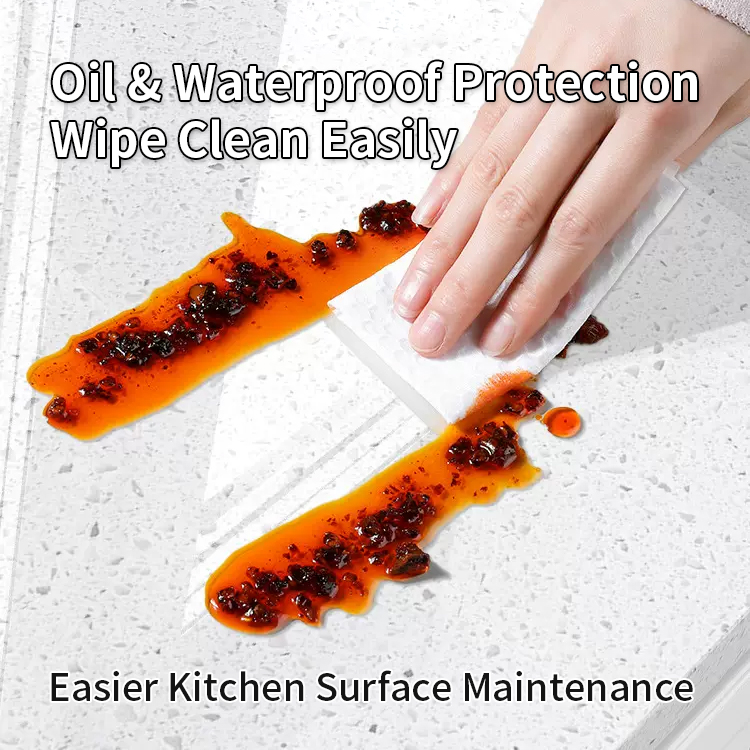
- Easier cleaning
- Strong hydrophobic performance
- UV resistance
Some nano ceramic coatings also provide light surface recovery under heat, helping reduce the appearance of minor swirl marks.
Many drivers also combine ceramic coating with Ceramic Window Tint for better heat rejection and interior comfort.
PPF vs Ceramic Coating Comparison
| Feature | PPF | Ceramic Coating |
|---|---|---|
| Scratch Protection | Strong | Moderate |
| Stone Chip Protection | Excellent | Limited |
| Self-Healing | Strong (TPU film) | Light surface recovery on some coatings |
| Hydrophobic Performance | Good | Excellent |
| Gloss Enhancement | Good | Excellent |
| UV Protection | Yes | Yes |
| Physical Protection | Strong | Moderate |
PPF or Ceramic Coating for Daily Driving
The better option depends on what kind of protection you need most.
Choose PPF if you want:
- Better scratch resistance
- Stone chip protection
- Long-term paint preservation
- Protection for high-impact areas
Choose ceramic coating if you want:
- Easier maintenance
- Better water repellency
- More gloss and shine
- Lower installation cost
For vehicles exposed to strong sunlight, many drivers also use UV Protection Window Film or Anti-Glare Window Film to improve driving comfort and reduce interior heat.
Can You Use PPF and Ceramic Coating Together?
Yes. Many car owners combine both for more complete protection.
Common Combination Methods
- PPF for bumpers, hoods, and other high-impact areas
- Ceramic coating for gloss enhancement and easier cleaning
- Combined protection for both appearance and durability
Why Many Drivers Combine Both
- Better scratch resistance
- Easier maintenance
- Improved hydrophobic performance
- Long-term paint protection
For distributors and project buyers, stable factory production, OEM & ODM support, packaging customization, and certification standards are also important when choosing automotive protection products.
Why Product Quality Matters
The performance of PPF and ceramic coating depends heavily on:
- TPU raw material quality
- Coating technology
- UV resistance
- Production consistency
- Long-term durability
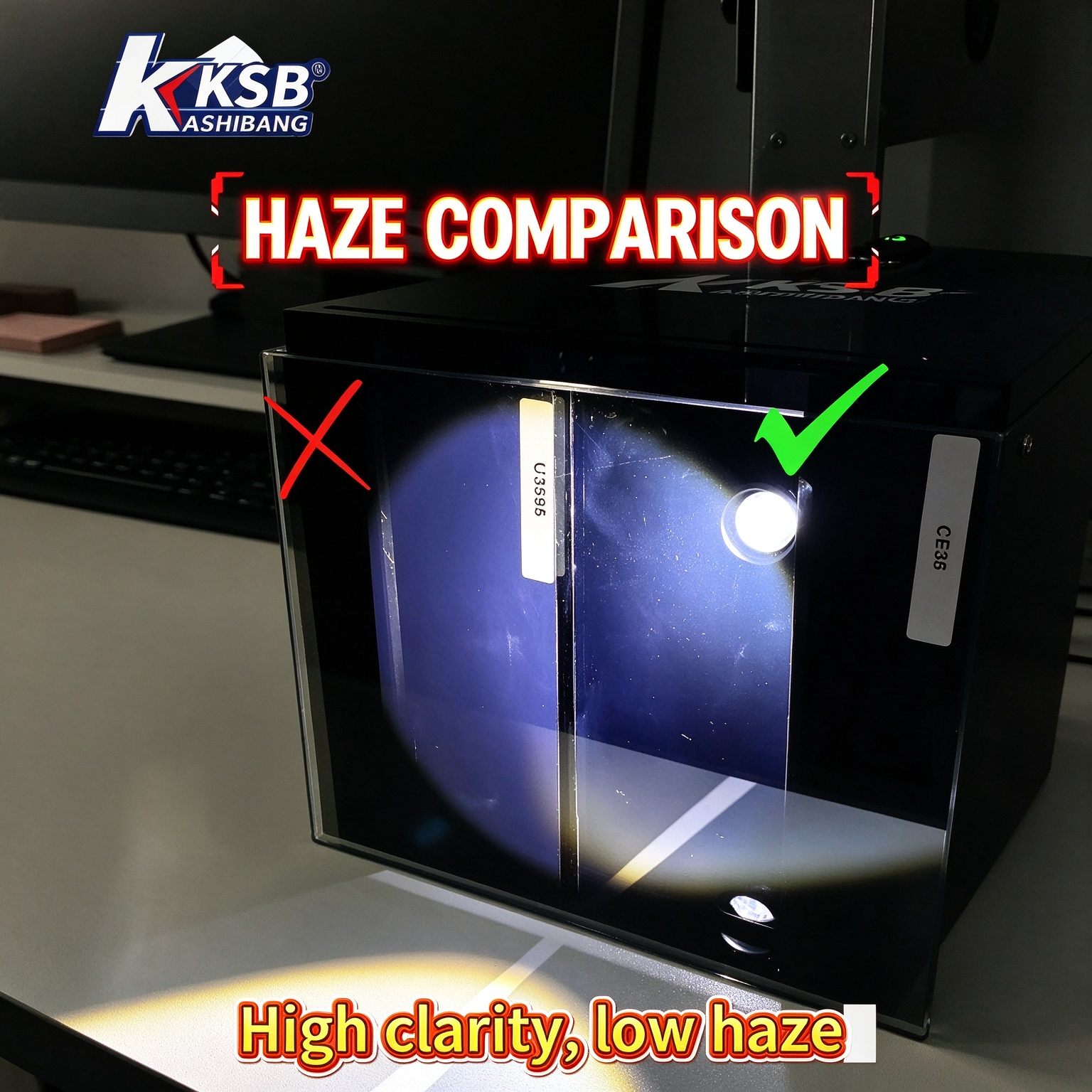
Reliable manufacturers usually provide stable quality control and support different product specifications for different market requirements.
FAQ
Is PPF better than ceramic coating?
PPF provides stronger physical protection, while ceramic coating focuses more on gloss and easier maintenance.
Does ceramic coating stop scratches?
Ceramic coating offers limited scratch resistance but does not protect against stone chips like PPF.
Can PPF and ceramic coating be used together?
Yes. Many vehicle owners combine both for better overall protection.
Which lasts longer?
High-quality PPF and ceramic coating can both last several years with proper maintenance.
Is PPF worth it for daily driving?
Yes. PPF helps reduce paint damage from road debris and daily driving conditions.
Get a Free Sample or Quote
Looking for a reliable window film supplier? Contact us today for fast response and professional support.