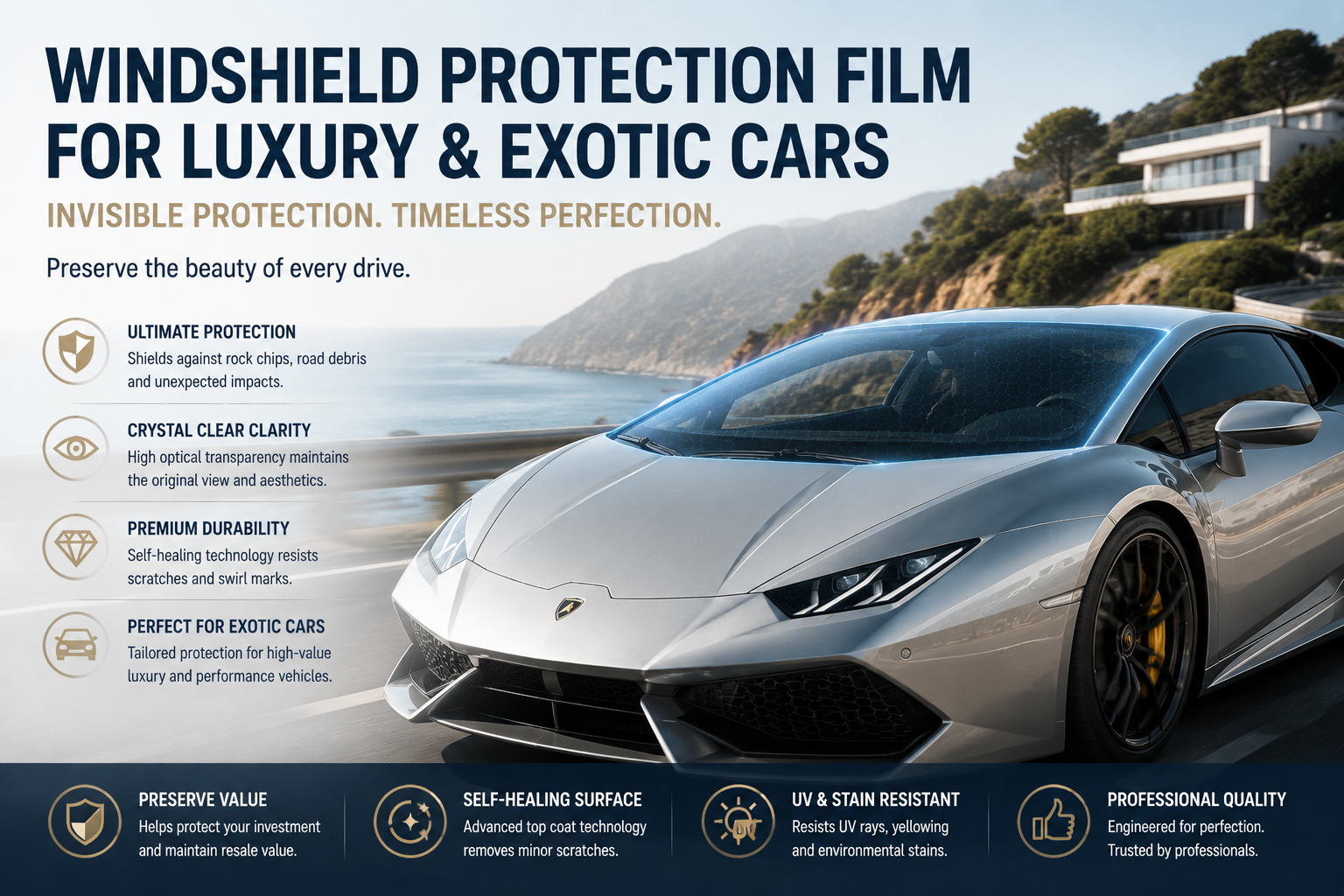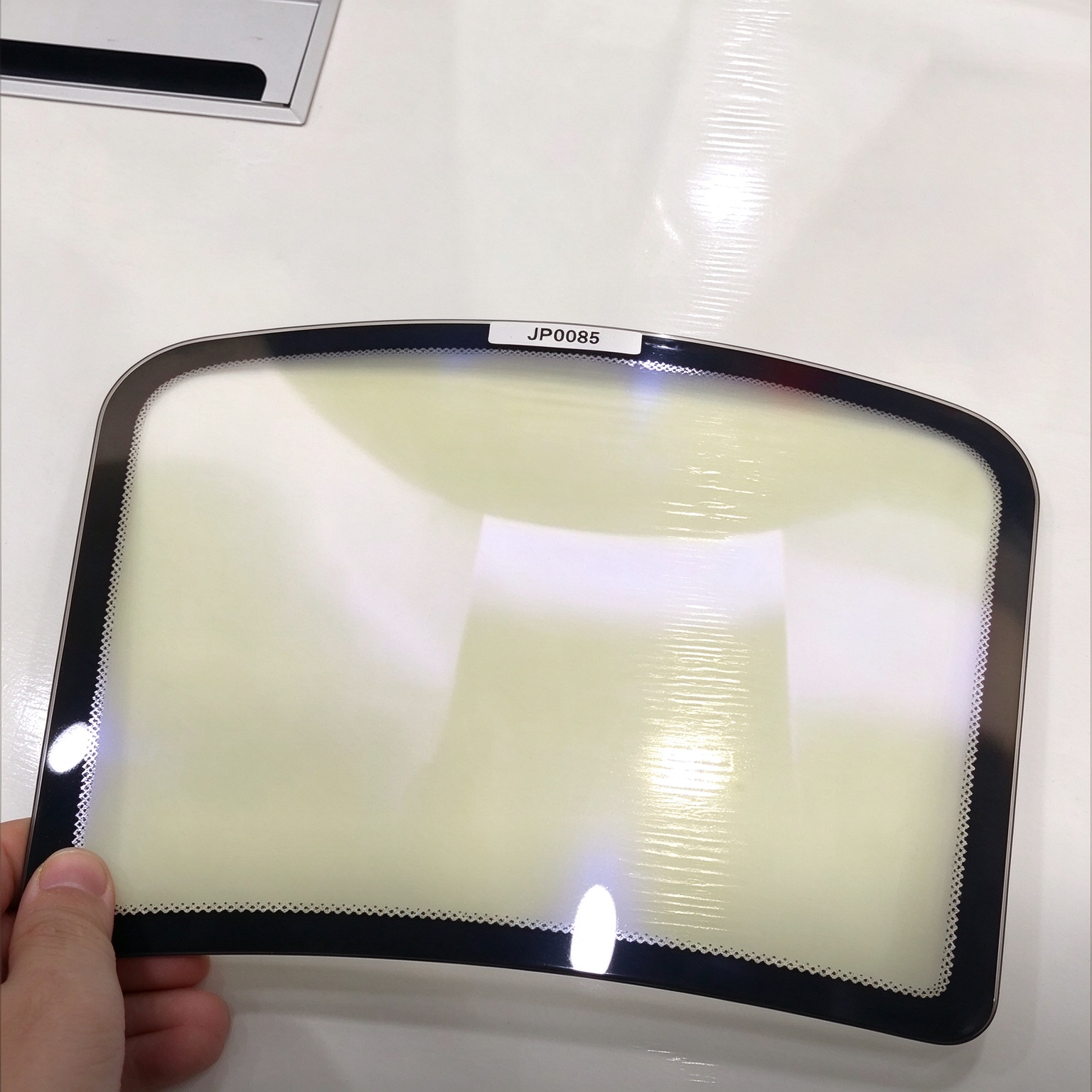
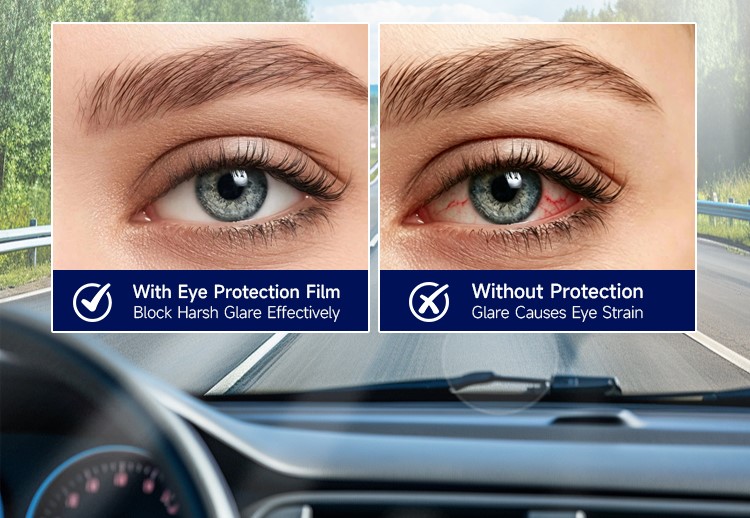
Eye protection film for glass is a type of window film designed to reduce glare and soften harsh light while maintaining clear visibility. It is commonly used on car glass to improve visual comfort during driving.
Compared with regular window tint that mainly focuses on privacy or darker appearance, eye protection film pays more attention to reducing eye strain and improving driving comfort.
Why Glare Matters While Driving
Glare is a common problem for daily driving.
It usually comes from:
- Strong sunlight during the day
- High-beam headlights at night
- Reflections from wet roads or glass
- Long-distance driving fatigue
Over time, this can cause eye strain and make driving feel tiring, especially during long trips.
A good anti-glare window film helps reduce harsh light without making the windshield too dark.
What is Eye Protection Film?
Eye protection film is an optical window film for cars and glass designed to improve visual comfort while driving.
Its main features include:
- Anti-glare performance
- UV protection
- Heat rejection
- Ultra clear visibility
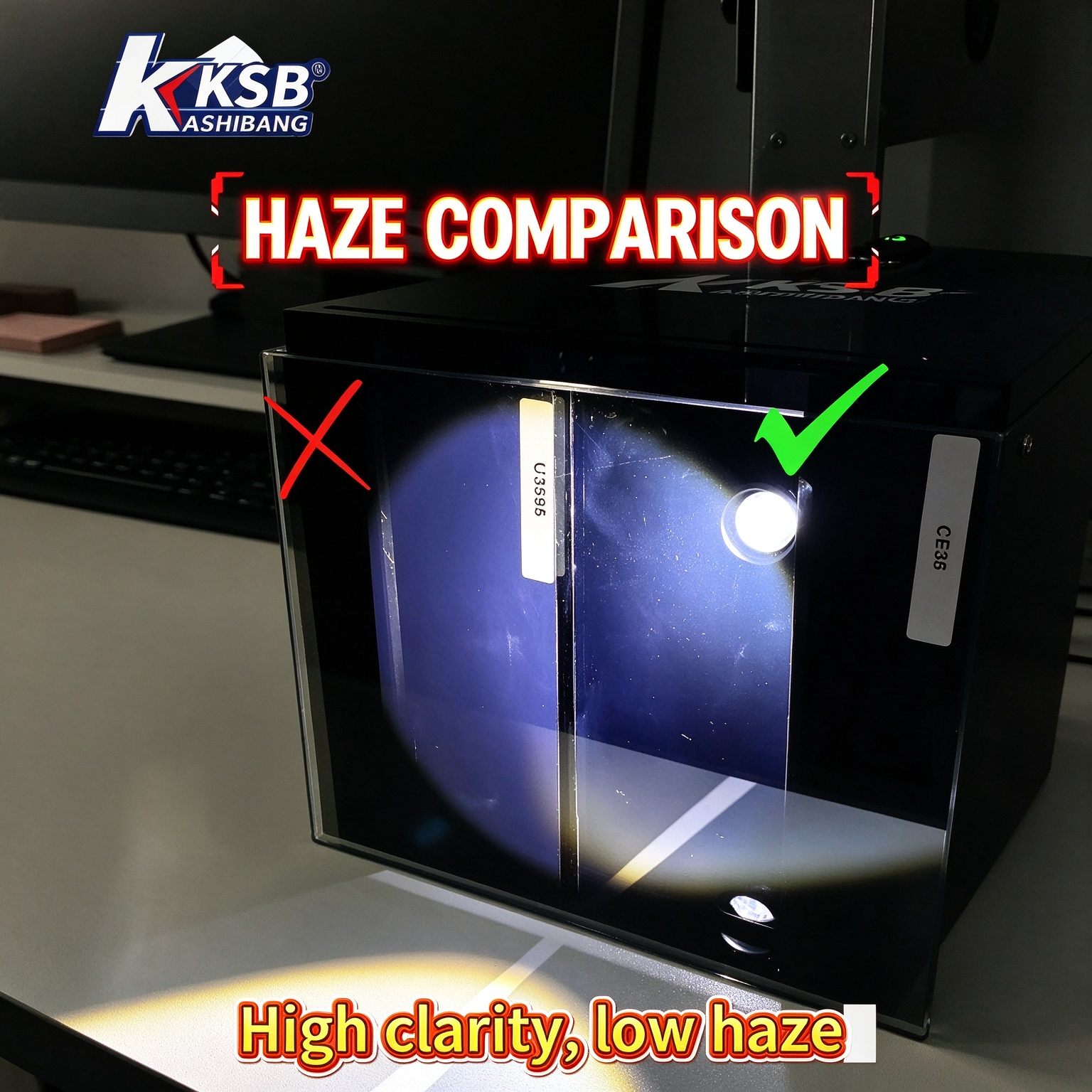
- Low haze technology
It can be used on:
Many nano ceramic window films also provide stable heat insulation without affecting electronic signals.
How Does Eye Protection Film Work?
Eye protection film uses multiple optical coating layers to filter excessive light while maintaining clear visibility.
Typical layers include:
- Anti-glare layer
- UV blocking layer
- Optical clarity layer
- Adhesive layer
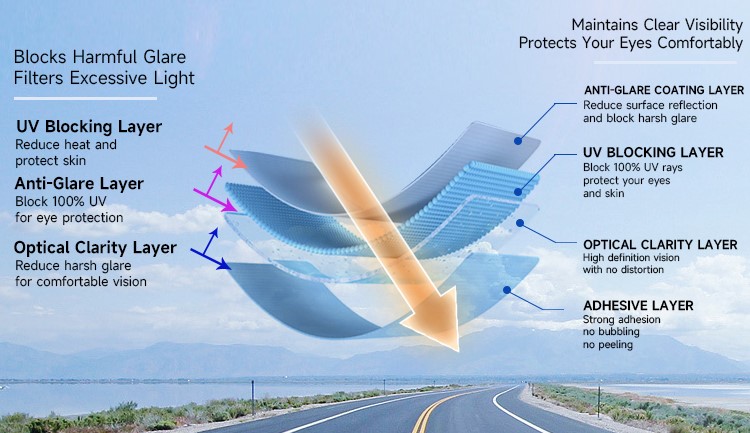
These layers help reduce glare, block UV rays, and improve driving comfort at the same time.
Main Benefits of Eye Protection Film
More Comfortable Driving
Softer light helps reduce visual fatigue during daily driving and long-distance travel.
Reduced Glare
Helps soften strong sunlight and high-beam glare without heavily darkening the glass.
UV Protection
Blocks harmful UV rays and helps protect the vehicle interior from fading.
Heat Rejection
Helps reduce heat buildup inside the cabin for a cooler driving environment.
Clear Visibility
Low haze technology helps maintain sharp visibility during both daytime and night driving.
For drivers in hot climates, many also combine eye protection film with:
Eye Protection Film vs Regular Window Film
Regular window tint mainly focuses on privacy or darker appearance.
Eye protection window film focuses more on:
- Glare reduction
- Visual comfort
- Optical clarity
- Safer driving visibility
This makes it a practical choice for drivers who spend more time on the road.
How to Choose Eye Protection Film
When choosing eye protection window film, important factors include:
- UV rejection
- Heat rejection
- Optical clarity
- Low haze performance
- Stable nano ceramic coating
For distributors and project buyers, OEM & ODM support, packaging customization, and stable factory production are also important considerations.
FAQ
Does eye protection film affect visibility at night?
High-quality eye protection film is designed to reduce glare while maintaining clear visibility, making night driving more comfortable.
Is eye protection film the same as regular window tint?
No. Regular tint mainly focuses on darker appearance or privacy, while eye protection film focuses more on glare reduction and visual comfort.
Where can eye protection film be installed?
It is commonly used on front windshields, side windows, sunroofs, and architectural glass.
Can eye protection film support OEM & ODM customization?
Yes. Many manufacturers support OEM & ODM services, including logo printing, packaging customization, and custom specifications.
Conclusion
Eye protection film is more than standard window tint.
It helps reduce glare, improve visibility, block UV rays, and create a more comfortable driving experience. For many drivers, nano ceramic eye protection film has become a practical upgrade for everyday driving.
Get a Free Sample or Quote
Looking for a reliable window film supplier? Contact us today for fast response and professional support.