What Is Architectural Window Film? A Complete Guide for Building Owners
Published: August 17, 2026 · 10 min read · Category: Architectural Window Film
About this article: KSB Window Film manufactures architectural solar control, safety, and decorative window film exported to distributors and project buyers in over 40 countries. This guide draws on our direct experience supplying commercial building projects across North America, Europe, the Middle East, and Southeast Asia.
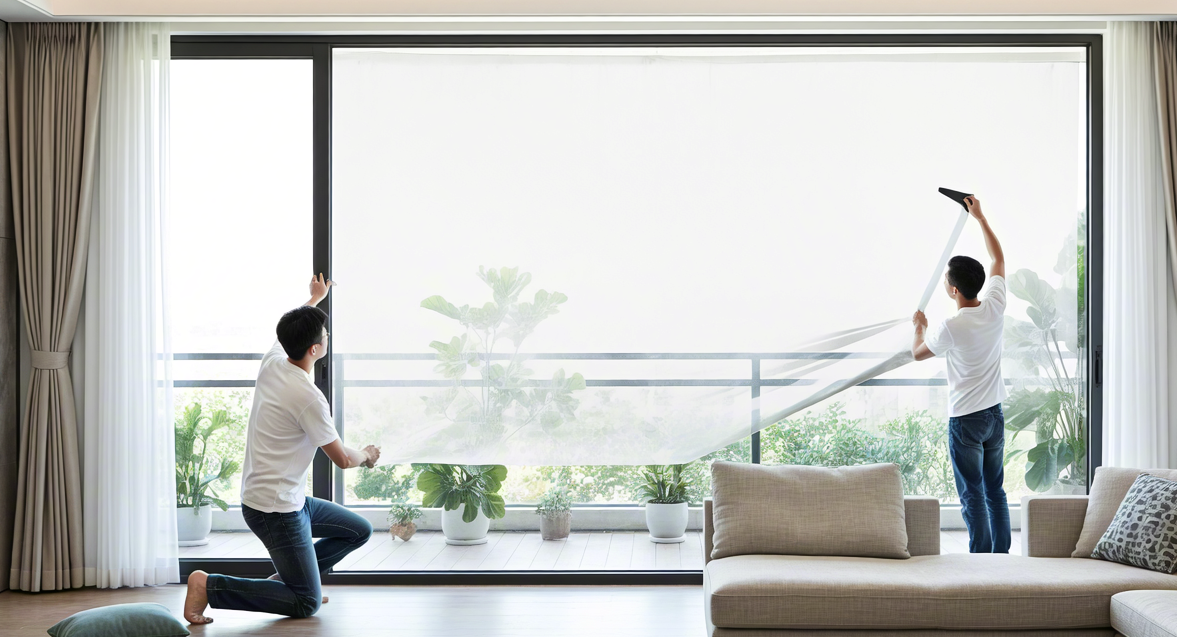
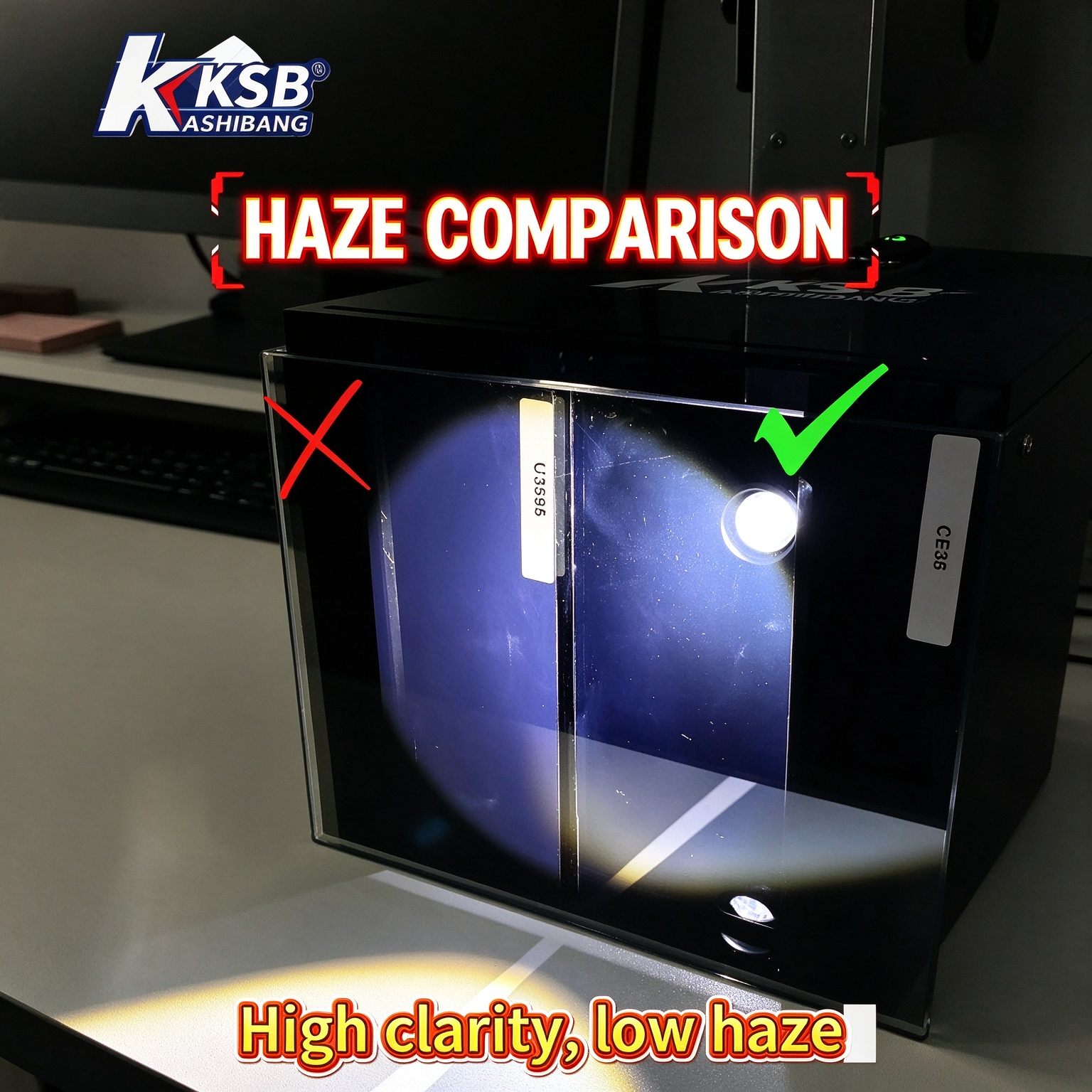
High-transparent building film with simple installation steps, labor-saving construction, while blocking uv rays and isolating heat.
Most building owners encounter architectural window film the same way they encounter a lot of building maintenance issues — reactively. The west-facing conference room is unusable every afternoon. The energy bills keep climbing despite the HVAC upgrade. A glass partition cracks and the resulting shards scatter across an open-plan floor. Someone asks: is there something we can put on the glass?
The answer is yes, and the range of what window film can do for a building is considerably broader than most building owners realize. This guide covers what architectural window film actually is, what the different types do, when it makes sense, and what to look for before you specify or buy.
What Architectural Window Film Is
Architectural window film is a thin polyester-based film, typically 25–250 microns thick, applied to the interior or exterior surface of glass in buildings. It modifies the glass’s performance characteristics — how much solar heat, visible light, UV radiation, and sometimes sound passes through — without replacing the glass.
The film is bonded to the glass using a pressure-sensitive adhesive. Depending on the product type, it may be applied by a professional installer with specialized tools, or in some cases by a trained maintenance team. The installation doesn’t alter the glass itself and can be reversed — film can be removed and replaced when it reaches end of service life or when building requirements change.
The term “architectural window film” covers several distinct product categories with different functions. They share a common installation method and material base, but they’re designed for different problems.
The Four Main Categories
1. Solar Control Film
The largest category by volume. Solar control film reduces the amount of solar energy — heat and UV — that passes through the glass into the building interior.
Key performance metrics:
TSER (Total Solar Energy Rejected): The percentage of total incoming solar energy blocked. Higher is more effective at reducing heat gain.
SHGC (Solar Heat Gain Coefficient): A measure of how much solar heat passes through the glazing system. Lower SHGC means less heat entering the building.
VLT (Visible Light Transmittance): How much visible light passes through. Higher VLT means more daylight.
Solar control film is used on:
South- and west-facing glazing with high afternoon solar gain
Curtain wall and glazed facade buildings
Atriums and skylights
Buildings where A/C load is a dominant energy cost
The value proposition: solar control film reduces cooling energy consumption, improves occupant thermal comfort, and protects interior furnishings from UV fade — without the visual and acoustic downsides of blinds or the capital cost of full glazing replacement.
2. Safety and Security Film
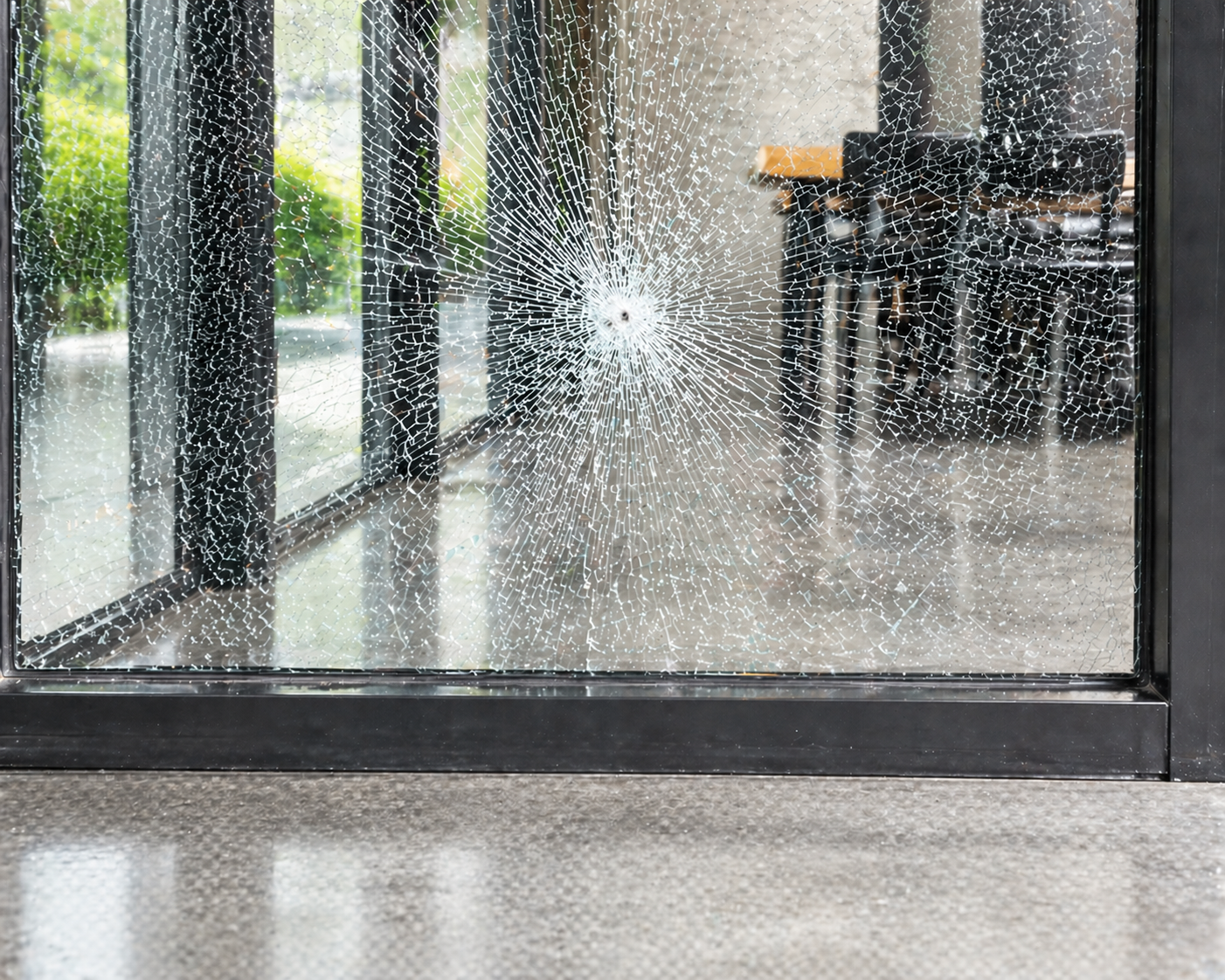
this safety building film strengthens glass and holds shattered pieces together to enhance safety
Safety film is designed to hold glass fragments together when the glass breaks. It doesn’t prevent breakage, but it controls the aftermath — preventing the scatter of sharp glass shards that causes most glass-related injuries.
Applications:
Compliance upgrades where older annealed glass needs to meet current safety code
Forced entry resistance (thicker security film significantly delays smash-and-grab entry)
Blast mitigation in government and high-security buildings
Seismic risk management in earthquake-prone regions
Key certifications: EN 12600 (European impact standard), ANSI Z97.1 (US), GSA blast resistance standards for government facilities.
3. Privacy Film
Privacy film restricts visibility through glass — either one-way (allowing visibility from one side but not the other, depending on relative lighting conditions) or fully opaque (frosted or patterned). This is distinct from smart/switchable film, which changes state on demand.
Applications:
Conference room partitions
Healthcare examination rooms
HR and legal office glazing
Ground-floor street-facing windows
Privacy film options range from lightly frosted (reducing glare and indirect visibility) to fully opaque decorative patterns. Most products allow diffused light to pass through while blocking clear sightlines.
4. Decorative Film
Decorative film changes the visual appearance of glass without primarily targeting solar or safety performance. This includes:
Patterned, frosted, or etched glass effects
Brand graphics and manifestation (required in many markets for glass walls at pedestrian level)
Custom color or texture effects for interior design
UV-printed graphics
Decorative film is widely used in retail fit-outs, corporate interior design, and building lobbies where glass aesthetics matter as much as performance.
What Window Film Can and Cannot Do
Can do:
Reduce solar heat gain by 40–80% depending on product and application
Block 99%+ UV radiation across all technology tiers
Hold glass fragments together in impact or blast events
Provide on-demand or permanent visual privacy
Reduce glare without eliminating daylight
Improve SHGC and contribute to green building certification credits
Change the visual appearance of glass without replacement
Cannot do:
Improve the thermal insulation (U-value) of glass significantly — film has negligible effect on heat loss in cold climates
Substitute for structural glass in load-bearing applications
Provide full acoustic isolation (modest sound reduction only)
Perform as well on heavily tinted or coated Low-E glass as on clear glass (compatibility verification required)
Replace glass that is broken, cracked, or physically damaged
When Window Film Makes Sense for a Building
The decision framework is straightforward. Window film makes strong commercial sense when:
Solar gain is a measurable operational problem. If your energy model shows glazing as a major driver of cooling load, or if specific areas of the building are consistently uncomfortable in summer, solar control film addresses the root cause at a fraction of glazing replacement cost.
You have existing glass that performs adequately but needs upgrading. If the glass is structurally sound but doesn’t meet current safety or energy codes, film is a cost-effective compliance pathway.
The glass is in good condition and will be retained long-term. Film investment amortises over its service life (typically 10–15 years for quality architectural film). Buildings undergoing full glazing replacement in the near term don’t justify film installation.
The building is occupied and cannot be vacated for major works. Window film can be installed with minimal disruption to building occupants — no scaffolding, no structural work, often completed panel by panel during business hours.
Specifying Architectural Window Film: The Key Questions
Before selecting a product, answer these:
What is the primary performance objective? Solar control, safety, privacy, or aesthetics — or a combination? Multi-functional products exist but involve tradeoffs.
What glass are you applying to? Clear float glass, tinted glass, Low-E coated glass, laminated glass, double-glazed units — each has compatibility implications. Applying film to double-glazed units requires specific product selection to avoid thermal stress cracking.
What VLT level is acceptable? Darker film provides more solar rejection but reduces natural light. Finding the right balance between energy performance and daylighting quality is a core specification decision.
What are the regulatory requirements? Safety code compliance, local tinting regulations, and green building certification requirements all affect product selection.
Interior or exterior application? Most film is interior-applied (easier, lower maintenance requirement). Exterior film provides higher solar rejection performance but requires products specifically rated for outdoor exposure.
FAQ
How long does architectural window film last?
Quality architectural film from reputable manufacturers has a service life of 10–15 years on interior applications in commercial buildings. Exterior film has a shorter service life (5–10 years) due to greater UV and environmental exposure. Manufacturer warranties typically range from 5 to 15 years depending on product tier and application.
Will window film make the building look different from outside?
Depending on the product: solar control films range from nearly invisible to highly reflective. Reflective films produce a mirror-like exterior appearance that changes how the building looks significantly. Non-reflective and low-reflectance films are barely distinguishable from unfilmed glass at most VLT levels.
Can window film be applied to double-glazed units?
Yes, with appropriate product selection. Standard film applied to a sealed double-glazed unit can create thermal stress issues. Films specifically rated for double-glazed applications (lower absorption, designed for the thermal dynamics of IGUs) should be specified. See Window Film for Double-Glazed and Low-E Glass for detailed compatibility guidance.
Does window film require planning permission or landlord consent?
In most commercial tenancy situations, exterior-affecting changes (including highly reflective film visible from outside) may require landlord consent and possibly local planning approval. Interior-applied non-reflective film typically doesn’t. Check your lease and local planning requirements before specifying.
What is the typical payback period for solar control film?
3–7 years based on energy savings alone in climates with significant cooling seasons. The calculation depends on film SHGC, glass area, local energy costs, and cooling system efficiency. See Window Film Payback Period Calculator for a structured approach to the calculation.
Is professional installation required?
For commercial buildings, yes. The adhesive chemistry, bubble-free application across large panels, and edge finishing quality on commercial glass all require professional installation tools and technique. DIY installation on commercial glazing consistently produces inferior results and may void the film warranty.
Ready to Specify or Source Architectural Window Film?
KSB Window Film manufactures solar control, safety, and decorative architectural film with current NFRC-referenced test documentation. We supply project buyers, glazing contractors, and distributors across commercial, healthcare, education, and government sectors.
Whether you need performance data to support a specification, sample panels for a comparative evaluation, or OEM supply for your distribution brand — our technical team can help.