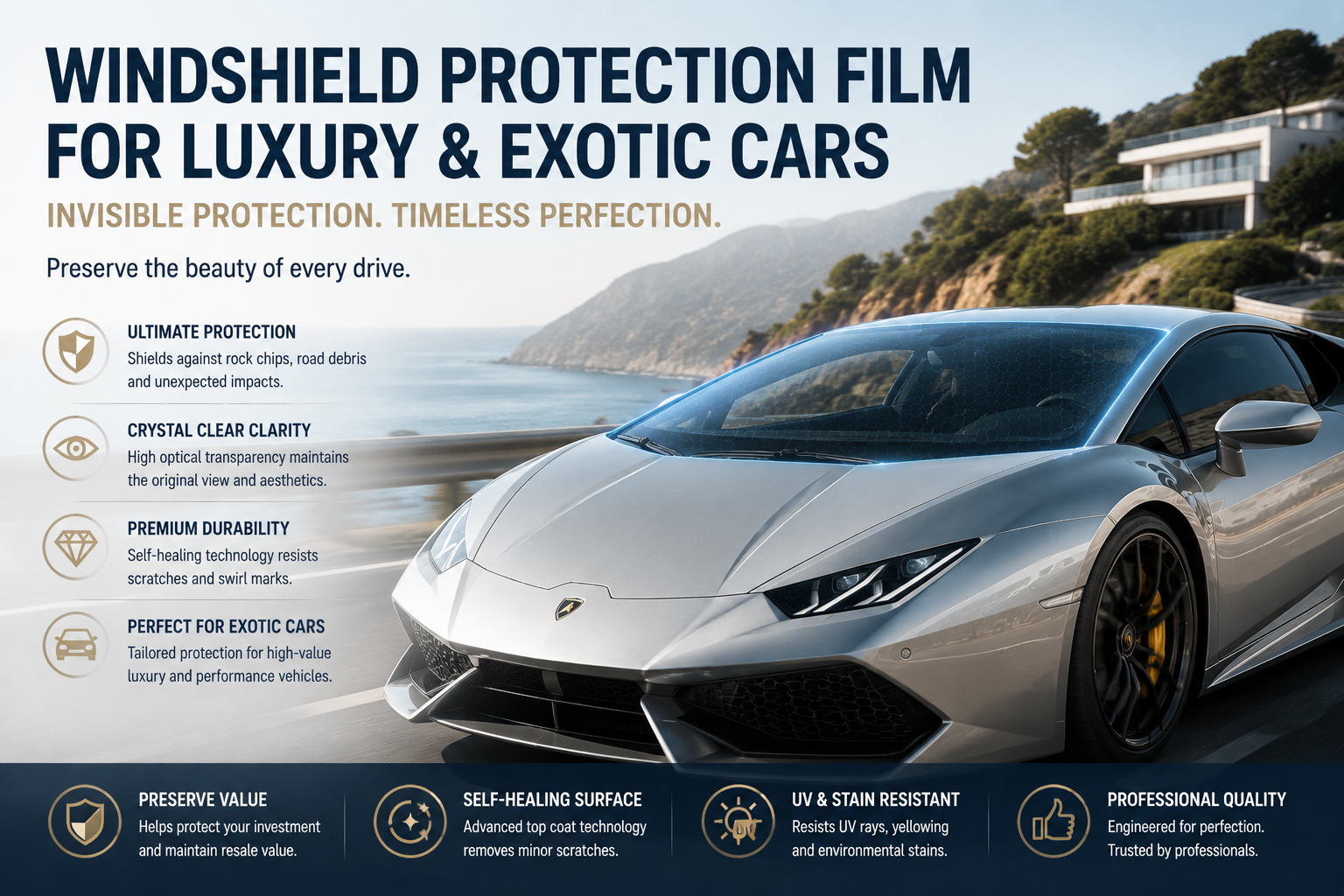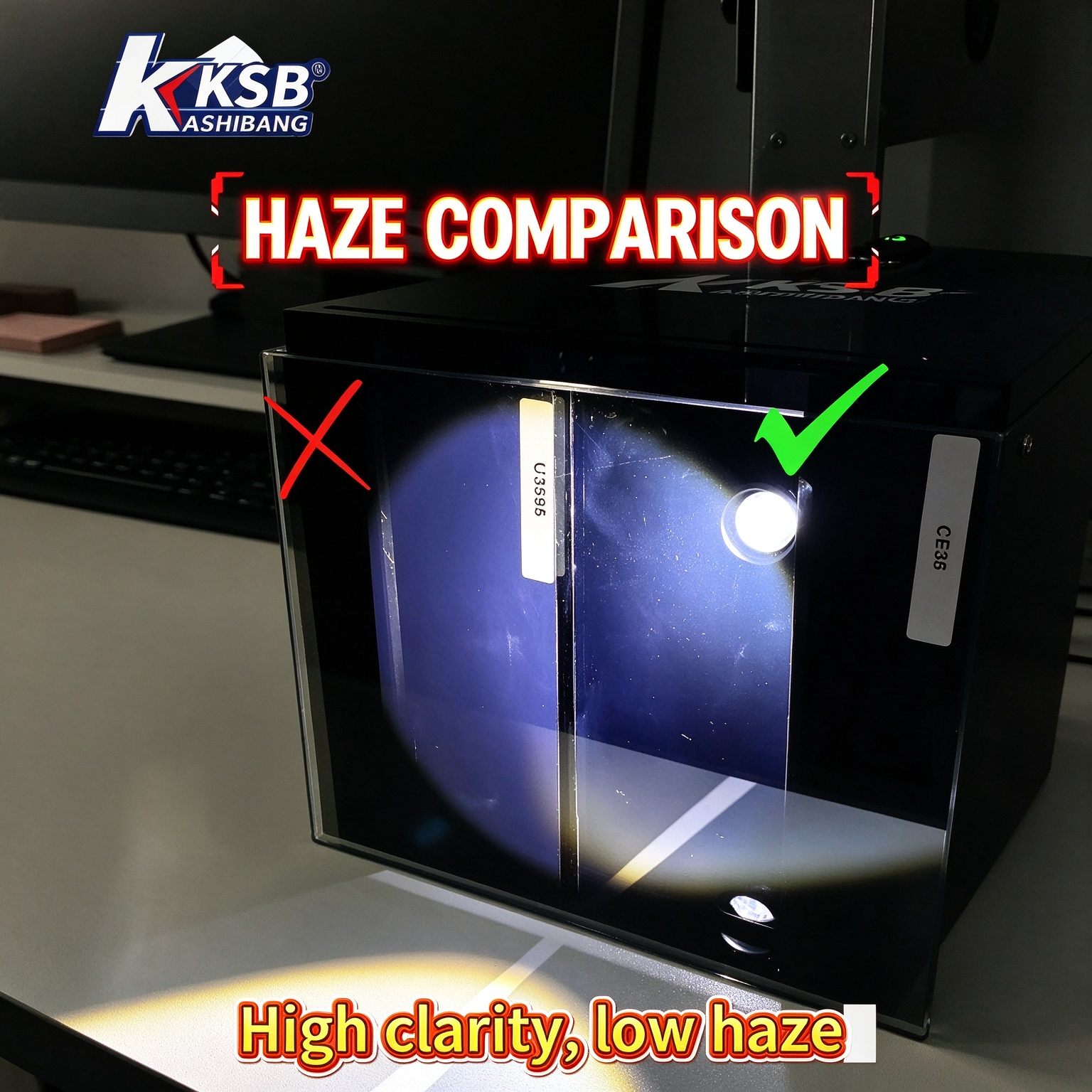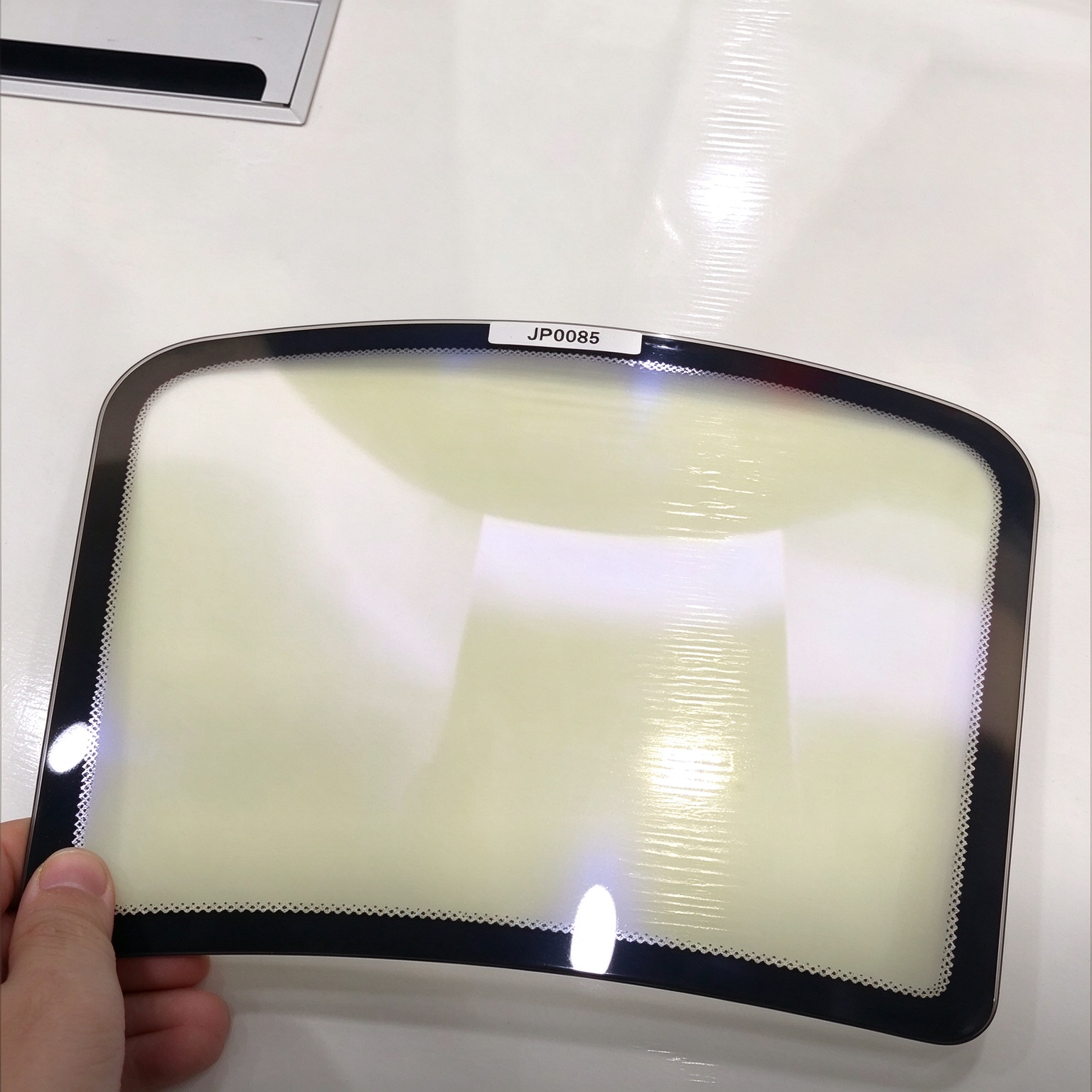
Choosing the right window film is not only about appearance. Different automotive window films provide different levels of heat rejection, UV protection, glare reduction, and driving comfort.
A quality window film can help reduce interior heat, improve visibility, and protect your car interior from long-term sun exposure.
Common Types of Car Window Film
Ceramic Window Film
Ceramic window film uses nano ceramic technology to provide strong heat rejection and UV protection while maintaining clear visibility.
Main benefits include:
- High heat rejection
- Strong UV protection
- Clear visibility
- No signal interference
- Long-term durability
Ceramic film is one of the most popular choices for daily driving comfort.
You can also read our Ceramic vs Regular Window Tint guide for more details.
Carbon Window Film
Carbon window film offers a balance between performance and affordability.
Main benefits include:
- Better heat rejection than dyed film
- Matte appearance
- Reduced glare
- Fade resistance
Many drivers choose carbon film for its balanced overall performance.
Metallic Window Film
Metallic window film uses reflective metal particles to help reduce solar heat and glare.
Main features include:
- Strong heat reflection
- Good glare reduction
- Improved daytime privacy
However, some metallic films may interfere with GPS or mobile signals.
Negative Ion Antibacterial Window Film
Negative ion antibacterial film combines solar protection with improved interior comfort.
It also helps:
- Reduce odors and dust
- Support antibacterial performance
- Improve interior cleanliness
This type of film is commonly used in vehicles, offices, and residential spaces.
Chameleon Window Film
Chameleon window film combines solar control with a unique color-changing appearance.
Besides enhancing vehicle appearance, it also provides:
- UV protection
- Heat rejection
- Glare reduction
Many drivers choose chameleon film for a more customized look.
PDLC Smart Film
PDLC smart film provides switchable privacy by changing between transparent and frosted states through electrical control.
It is commonly used for:
- Sunroofs
- Privacy glass
- Commercial vehicles
- Smart glass applications
Main benefits include privacy control, glare reduction, and improved interior comfort.
You can also explore our PDLC Smart Film How It Works guide for more details.
How to Choose the Right Window Film
Choosing the right automotive window film depends on your climate, driving habits, and performance needs.
Heat Rejection
If you live in a hot climate, heat rejection should be one of the first things to consider. Nano ceramic window film usually provides better infrared heat rejection while maintaining visibility.
Better heat control helps:
- Reduce interior heat buildup
- Improve driving comfort
- Lower air conditioning usage
You can also read our Best Window Film for UV Protection guide to compare different heat rejection options.
UV Protection
High-quality automotive window film helps reduce harmful UV exposure and protects:
- Skin and eyes
- Dashboard materials
- Leather seats
- Interior trim
Long-term UV exposure may cause fading and interior aging over time.
Glare Reduction & Visibility
Strong sunlight and reflections may increase eye fatigue during driving. Films with anti-glare performance help soften harsh light while maintaining visibility.
For more details, see our Anti-Glare Window Film vs Regular Window Film guide.
Appearance & Functional Needs
Different window films provide different styles and functional performance.
For example:
- Ceramic window film focuses on heat rejection and clarity
- Negative ion antibacterial film improves interior comfort
- Chameleon window film adds reflective visual effects
- PDLC smart film provides switchable privacy control
Many drivers today look for both performance and appearance when choosing automotive tint.
FAQ
Q1: Which window film is best for heat rejection?
Ceramic window film is one of the best options for reducing interior heat.
Q2: Does automotive window film block UV rays?
Yes, high-quality films help reduce harmful UV exposure.
Q3: What is the benefit of negative ion window film?
It helps improve interior comfort while supporting antibacterial performance.
Q4: Does chameleon window film affect visibility?
No, high-quality chameleon films maintain clear visibility while adding reflective effects.
Q5: What is PDLC smart film used for?
PDLC smart film is commonly used for smart privacy glass and automotive sunroof applications.
Get a Free Sample or Quote
Looking for a reliable window film supplier? Contact us today for fast response and professional support.