Anti-Glare KSB Nano Ceramic Film
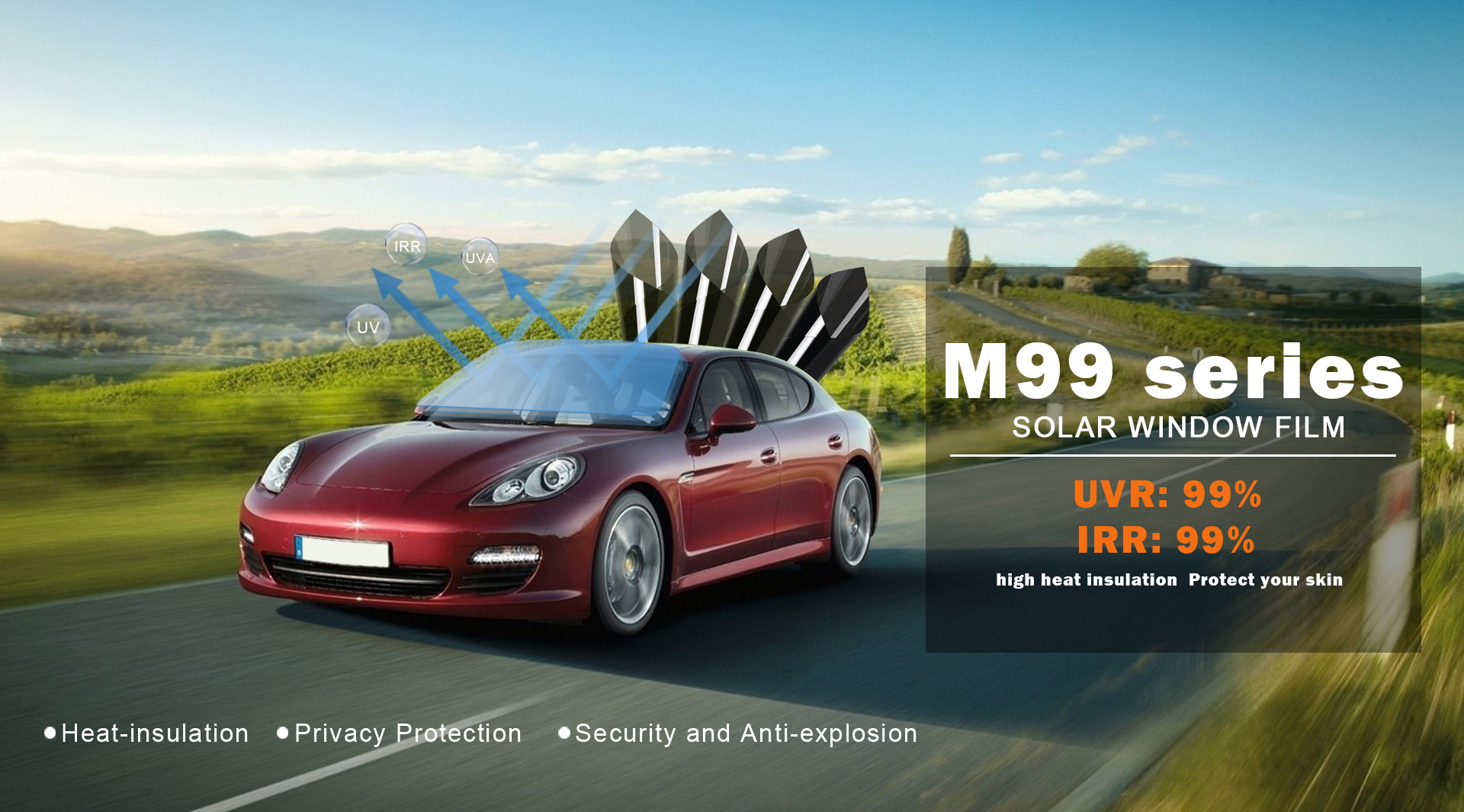
M99 Nano Ceramic Film Series delivers high clarity and excellent anti-glare performance, achieving 99% heat rejection for comfortable indoor lighting.
KSB SPD Smart Film with 8 Dimming Levels
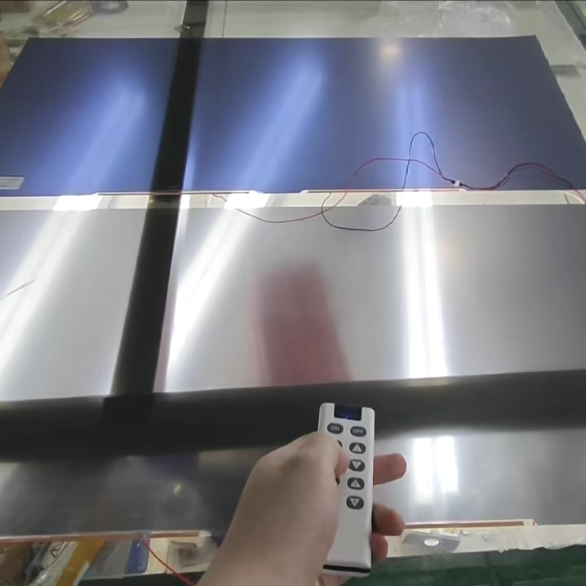
Blue SPD Smart Film offers 8 adjustable dimming levels, with flexible light transmission control for different privacy and visibility needs.
AK86 Windshield Film with High Clarity
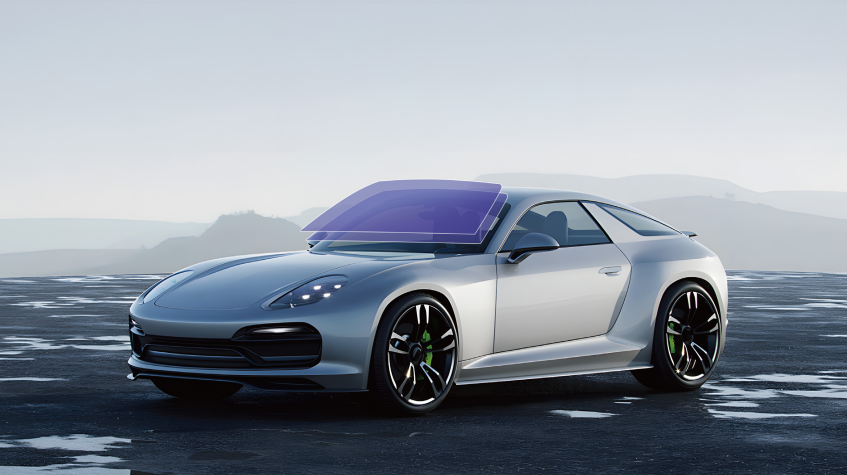
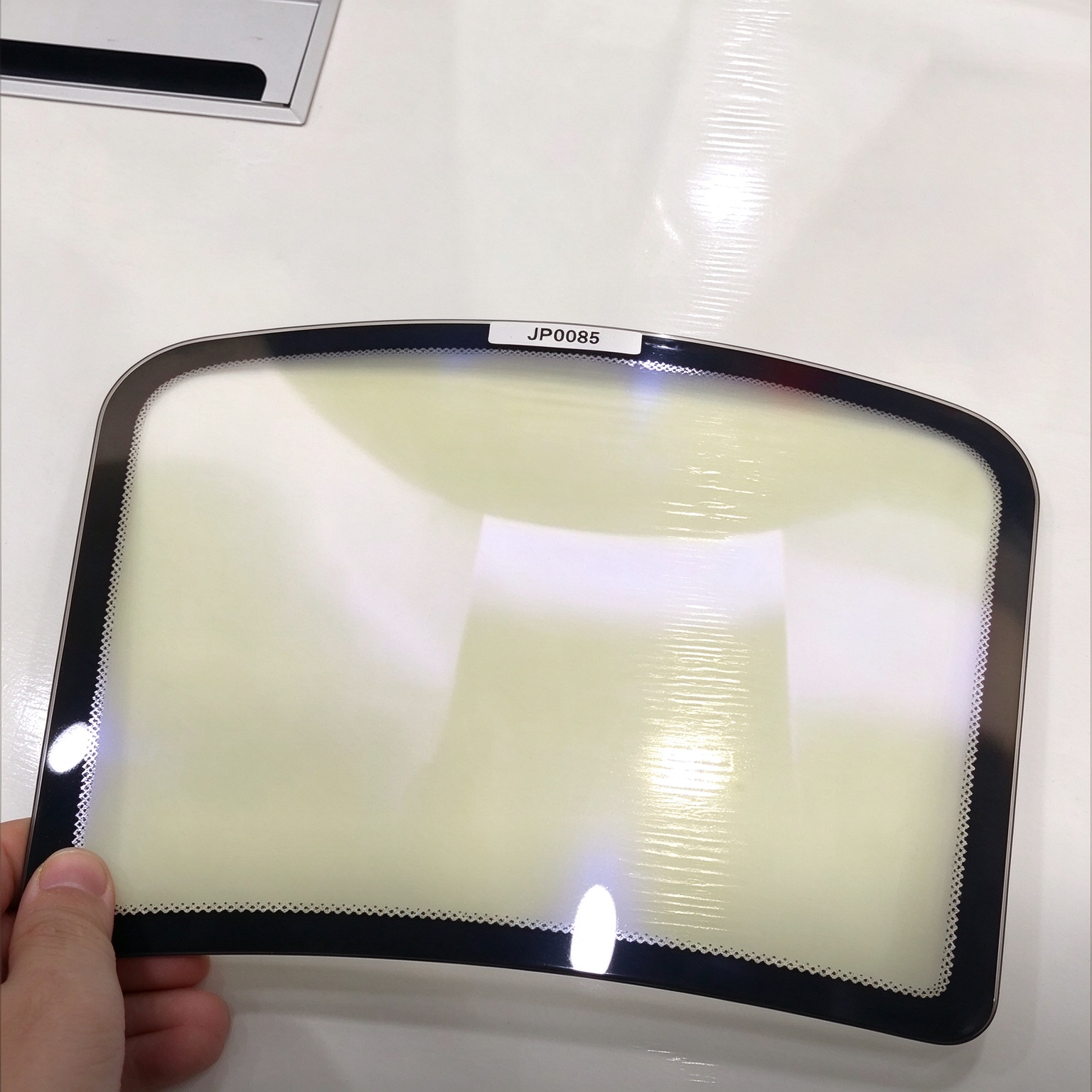
AK86 Windshield Film combines high optical clarity, 92% VLT, 99% UV rejection, and dual self-healing performance for front windshield applications.
🏢 10 Days to the 140th Canton Fair!
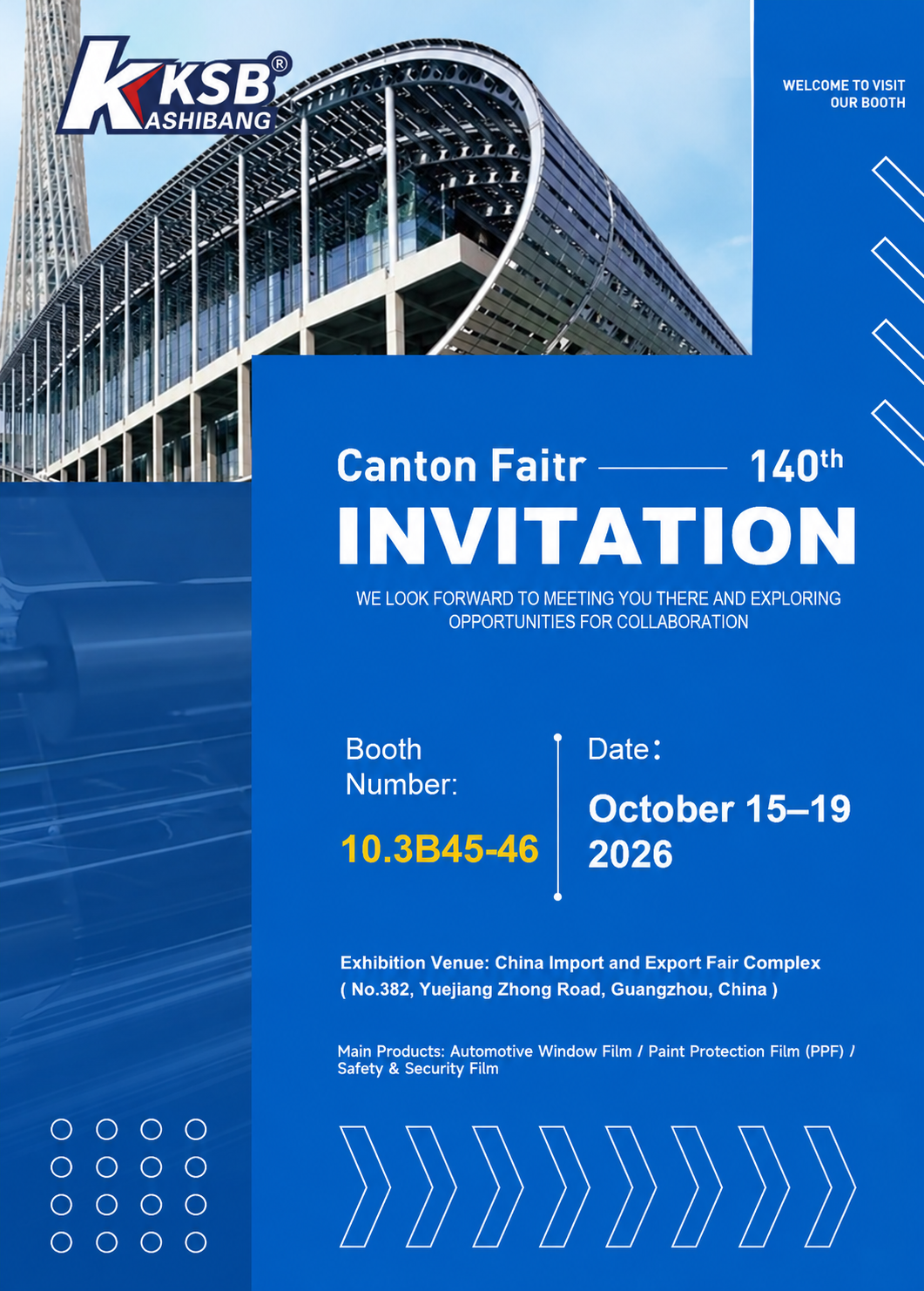
Meet KSB Film at the 140th Canton Fair in Guangzhou, where we showcase PPF, Automotive Window Film, Safety Film, Bullet-Resistant Film, Architectural Film, and more with factory-direct OEM and private label solutions.
Low Haze Window Film: What Does Haze ≤0.5% Actually Mean?
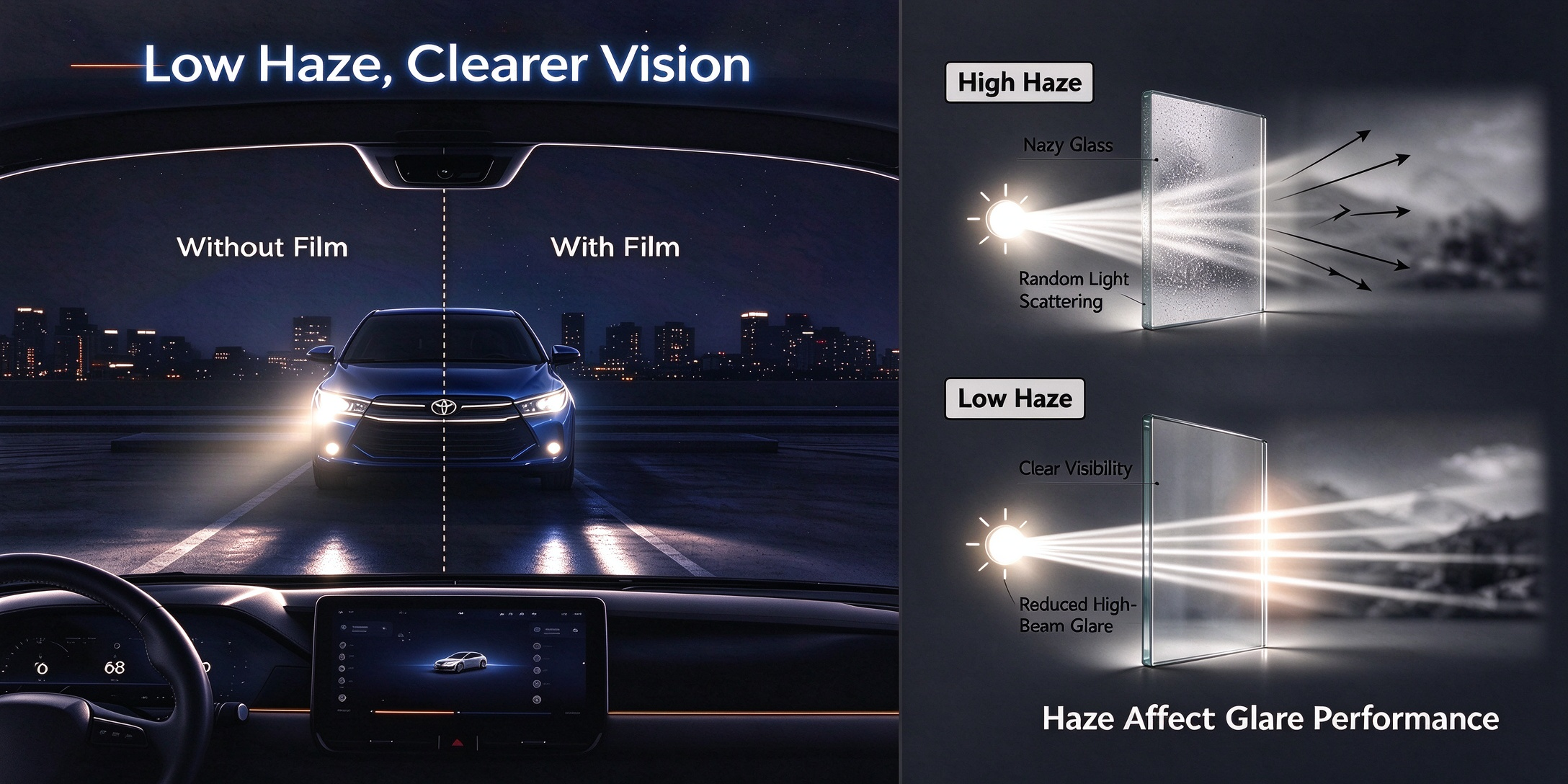
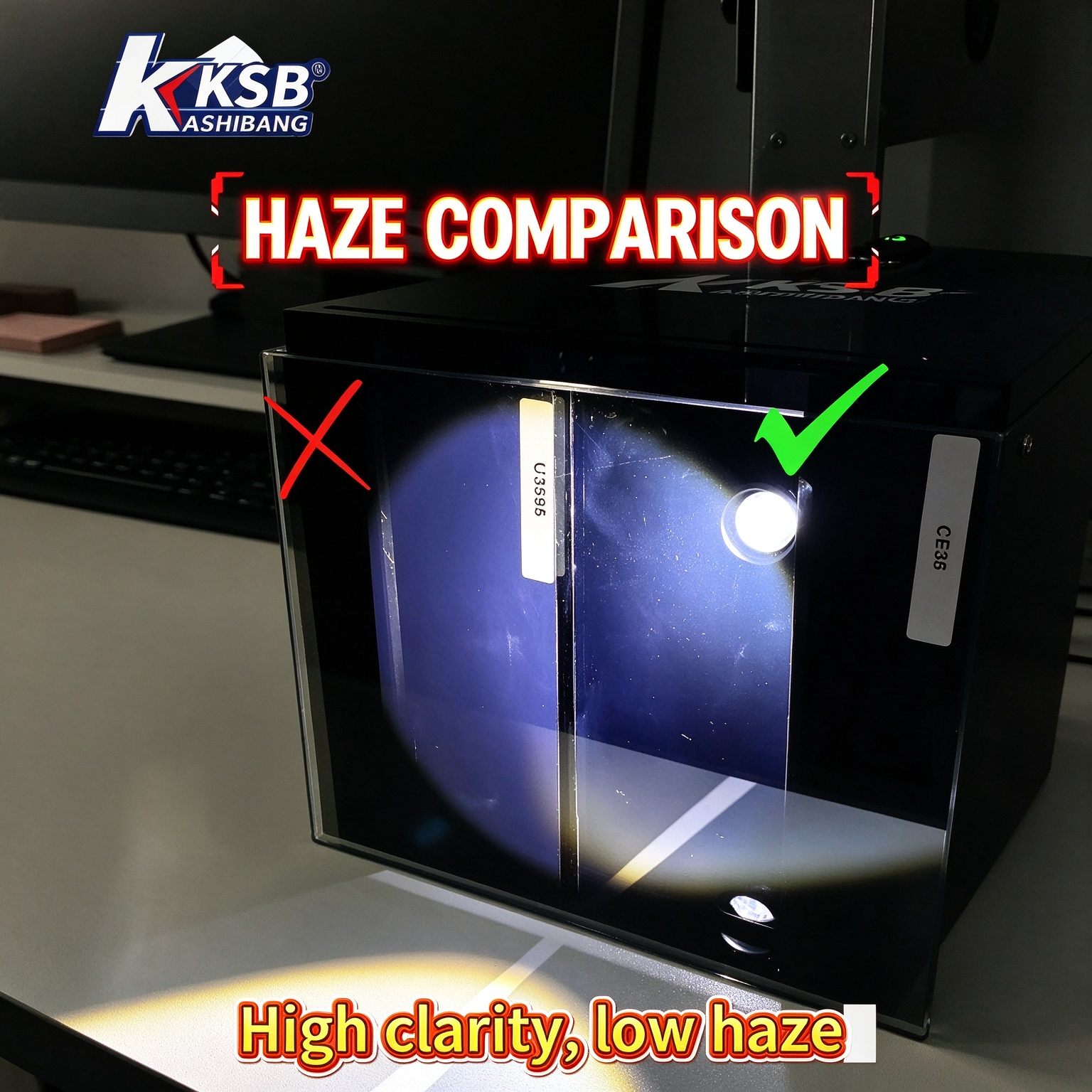
What does ≤0.5% haze mean in automotive window film? Learn the difference between haze and VLT, why optical-grade PET matters, and how to evaluate low-haze film for clearer visibility.
What Is Haze in Window Film? Why It Matters for Driving Clarity
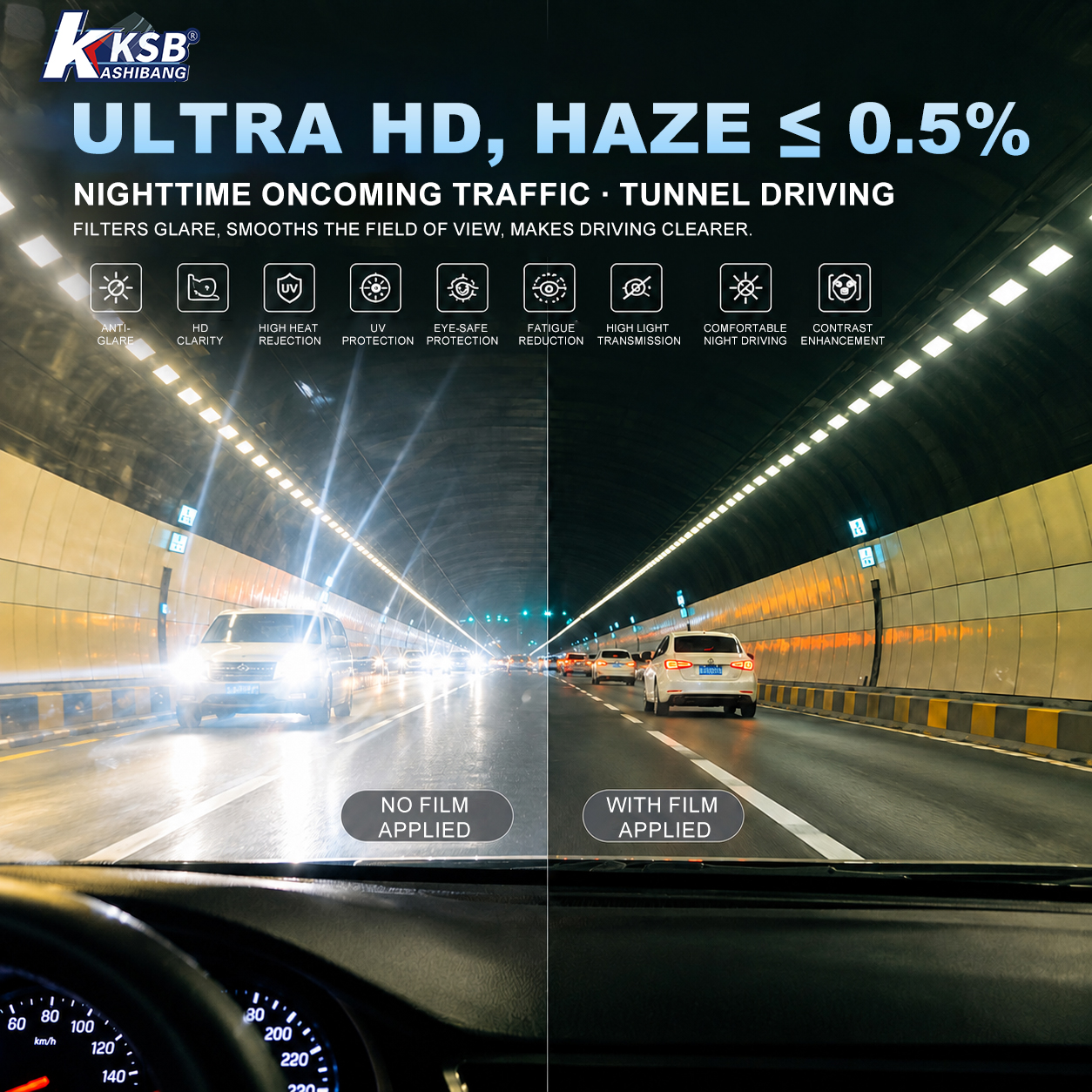
What is haze in window film? Learn how PET quality, nano particle dispersion and coating uniformity affect optical clarity, and why haze matters when choosing automotive window film.
Benefits of Installing Sunroof Film on Panoramic Roof Vehicles
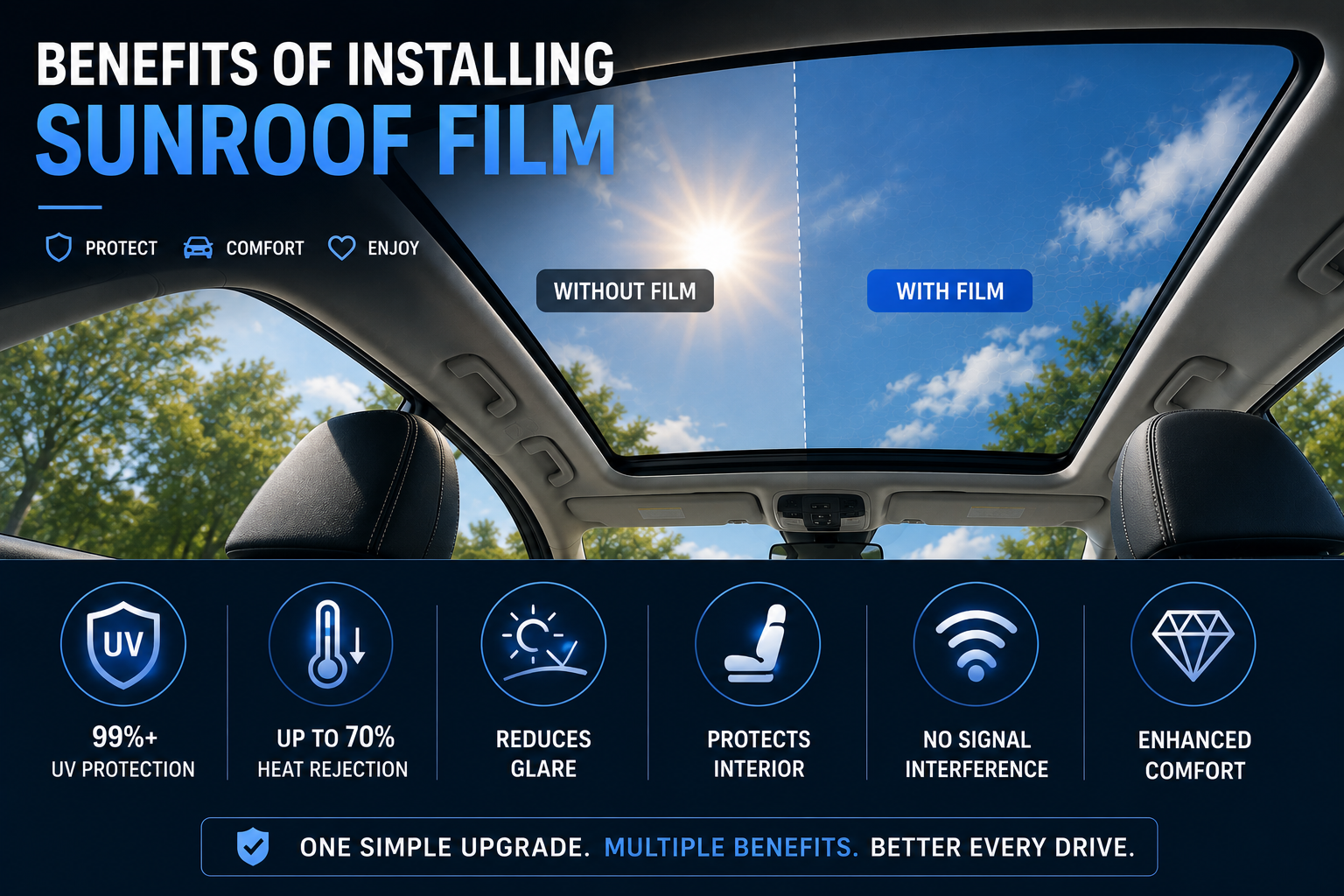
This article explains the key benefits of sunroof film, including heat rejection, UV protection, glare reduction, lower A/C load, and panoramic roof comfort.
Automotive Smart Film Installation – Without Glass Removal
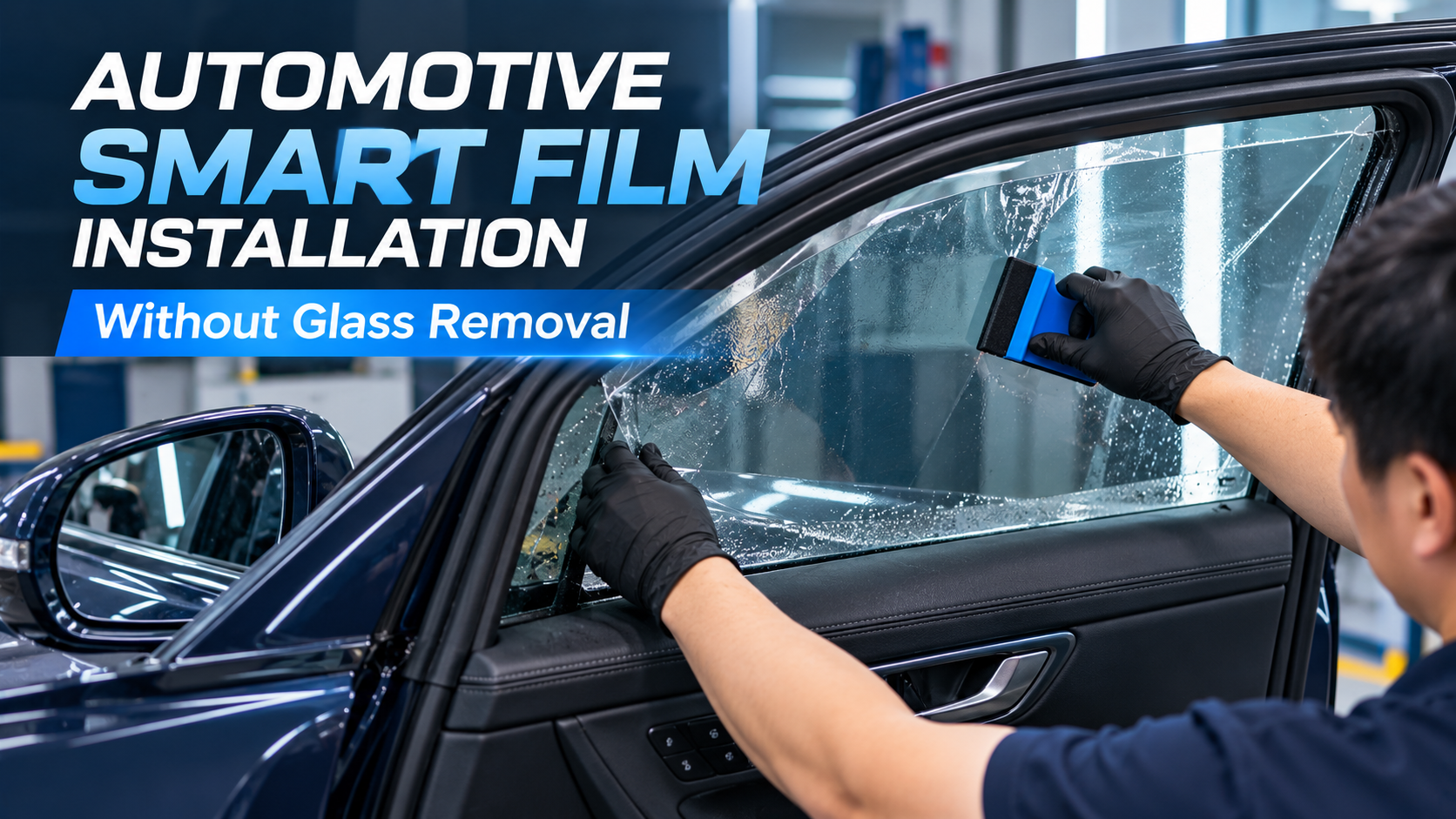
Learn how to install automotive smart film without removing the window glass. This installation method provides a convenient and efficient solution for professional automotive smart film applications.
Automotive Smart Film Installation – With Glass Removal
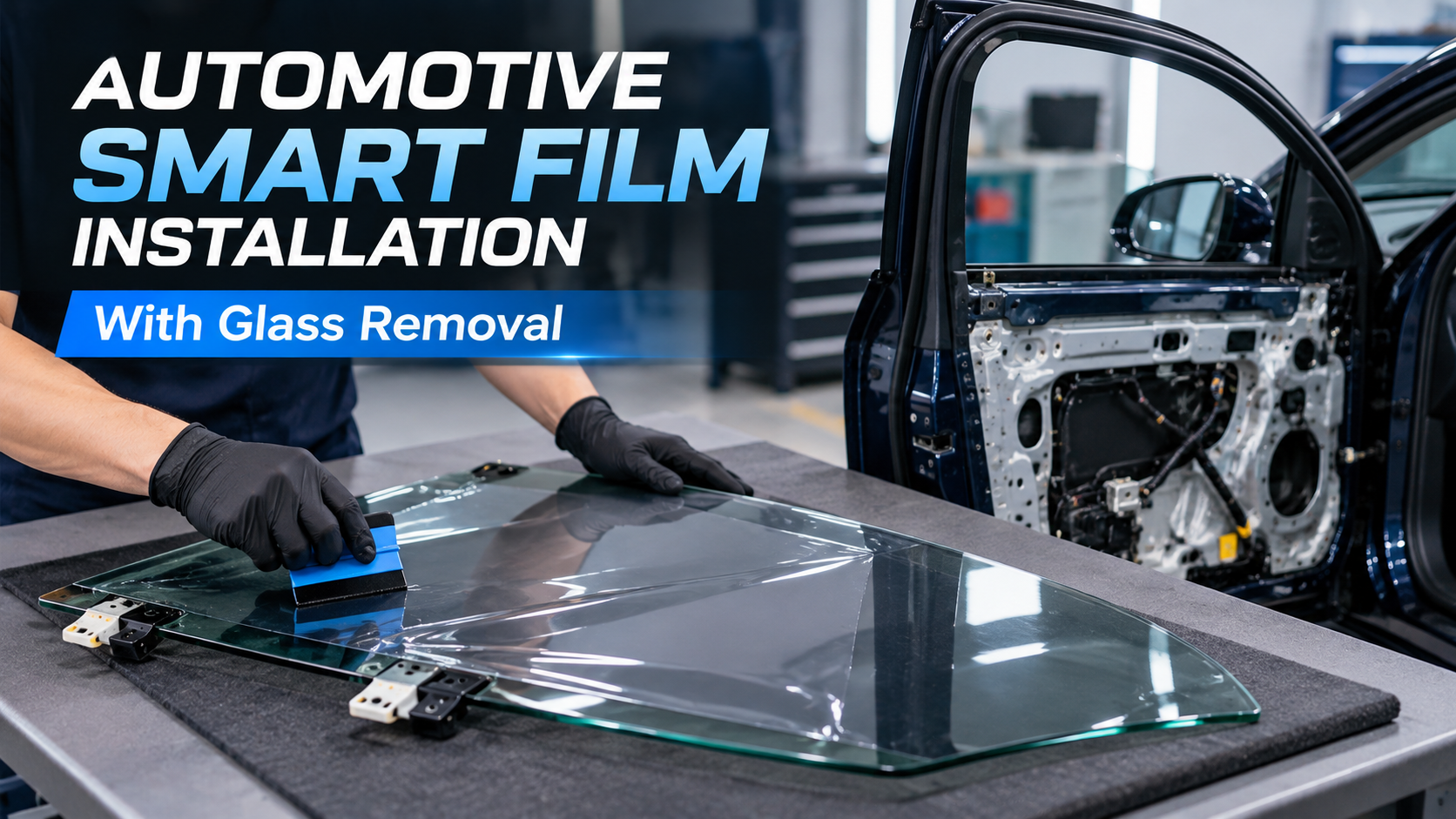
Learn how to install automotive smart film with the window glass removed. This installation method provides precise film positioning and is suitable for professional automotive smart film applications.
What Is Cat Eye Window Film? A Guide to Ultra-Clear Automotive Window Film
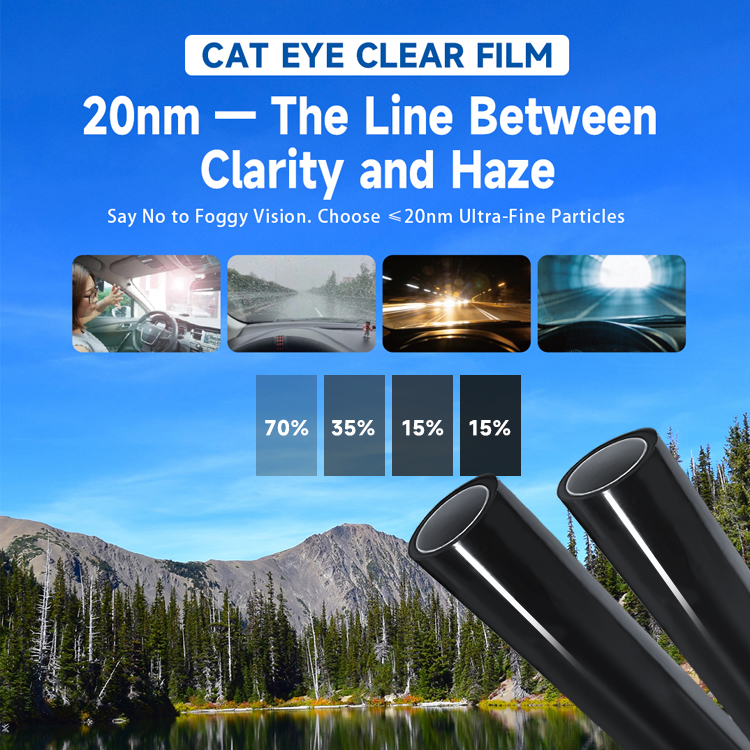
What is Cat Eye Window Film? Learn how low haze, optical clarity, nano ceramic and sputtered technologies work together to improve visibility and solar control in automotive window film.