KSB Safety Film Ball Drop Test
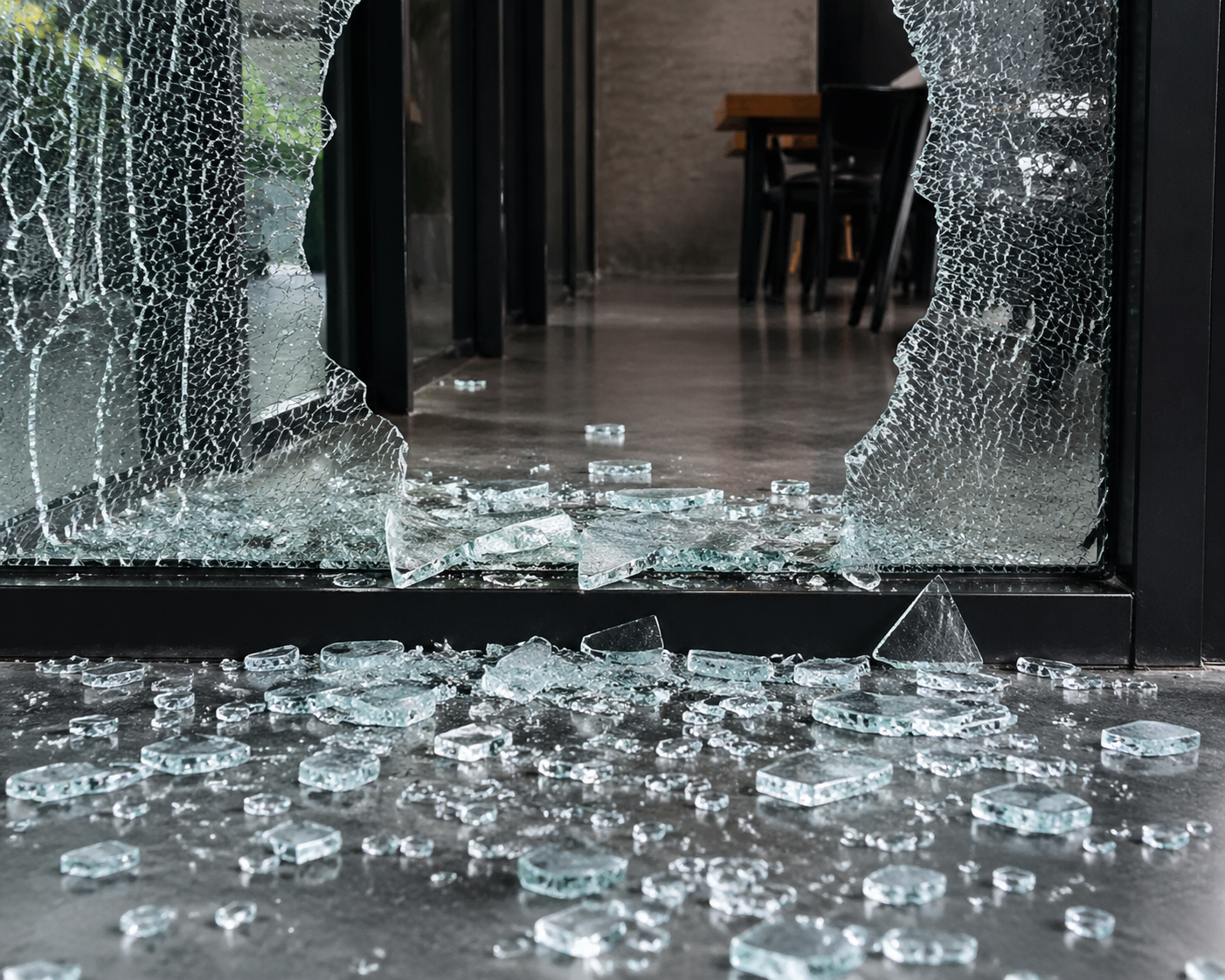
KSB Safety Window Film is tested with a 2kg ball drop to compare bare glass, 2mil film and 4mil film, demonstrating improved impact protection and glass retention.
KSB PL75 Clear PPF Stretchability Test
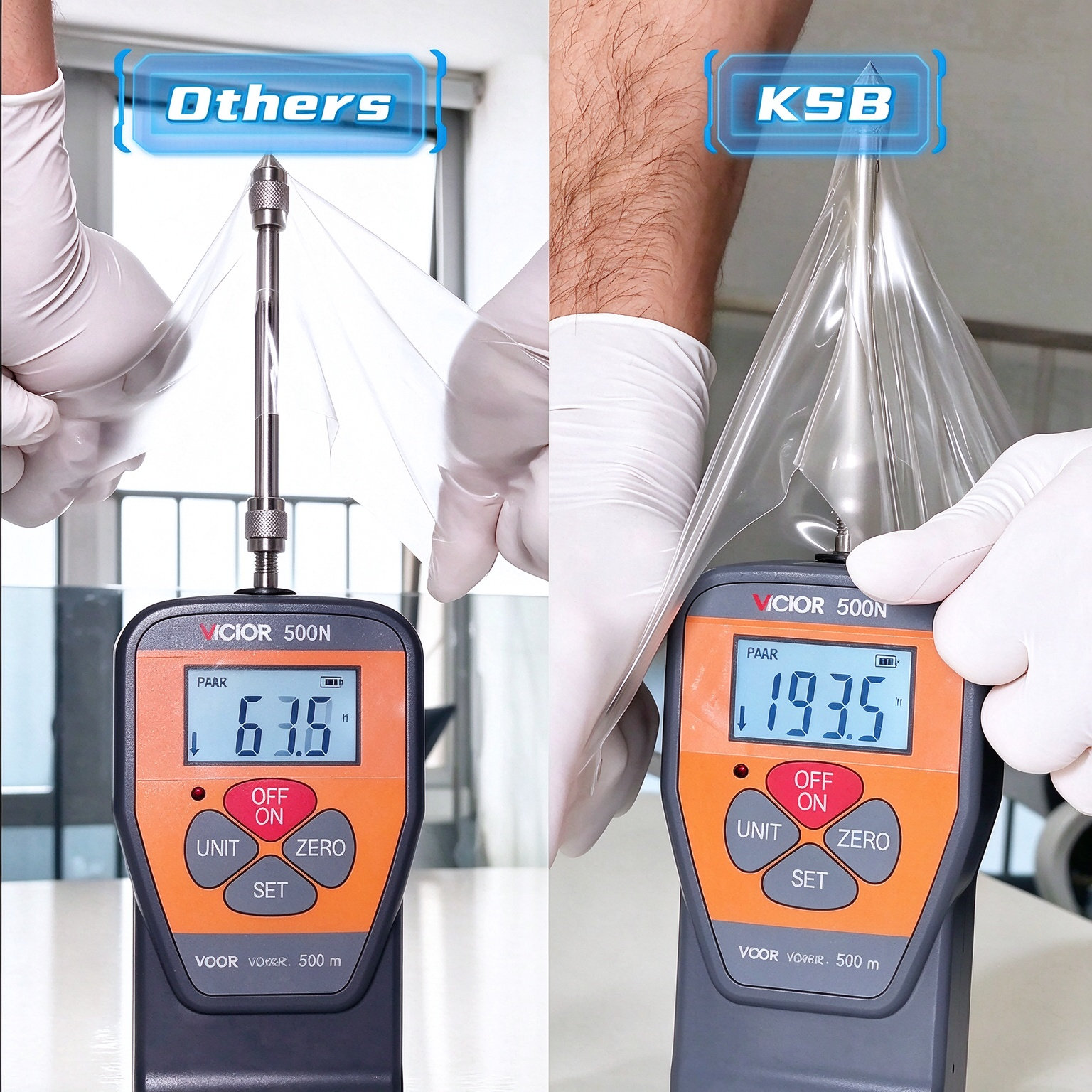
KSB PL75 Clear PPF combines 350% elongation, 32.8 MPa tensile strength and 3× higher hydrolysis resistance for superior stretchability, durability and easy installation.
What Makes a Window Film Ultra Clear? PET, Nanoparticles and Coating Explained
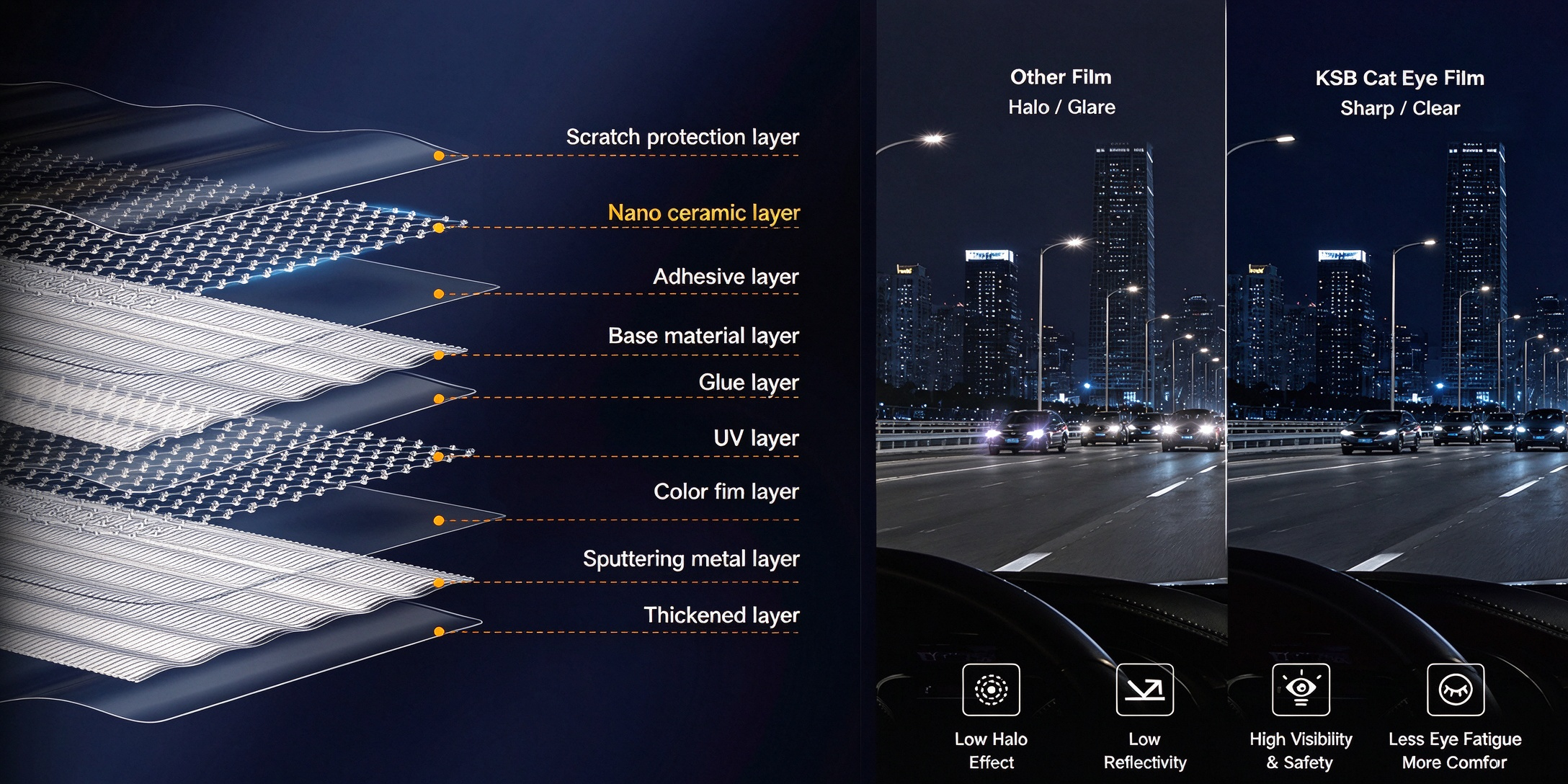
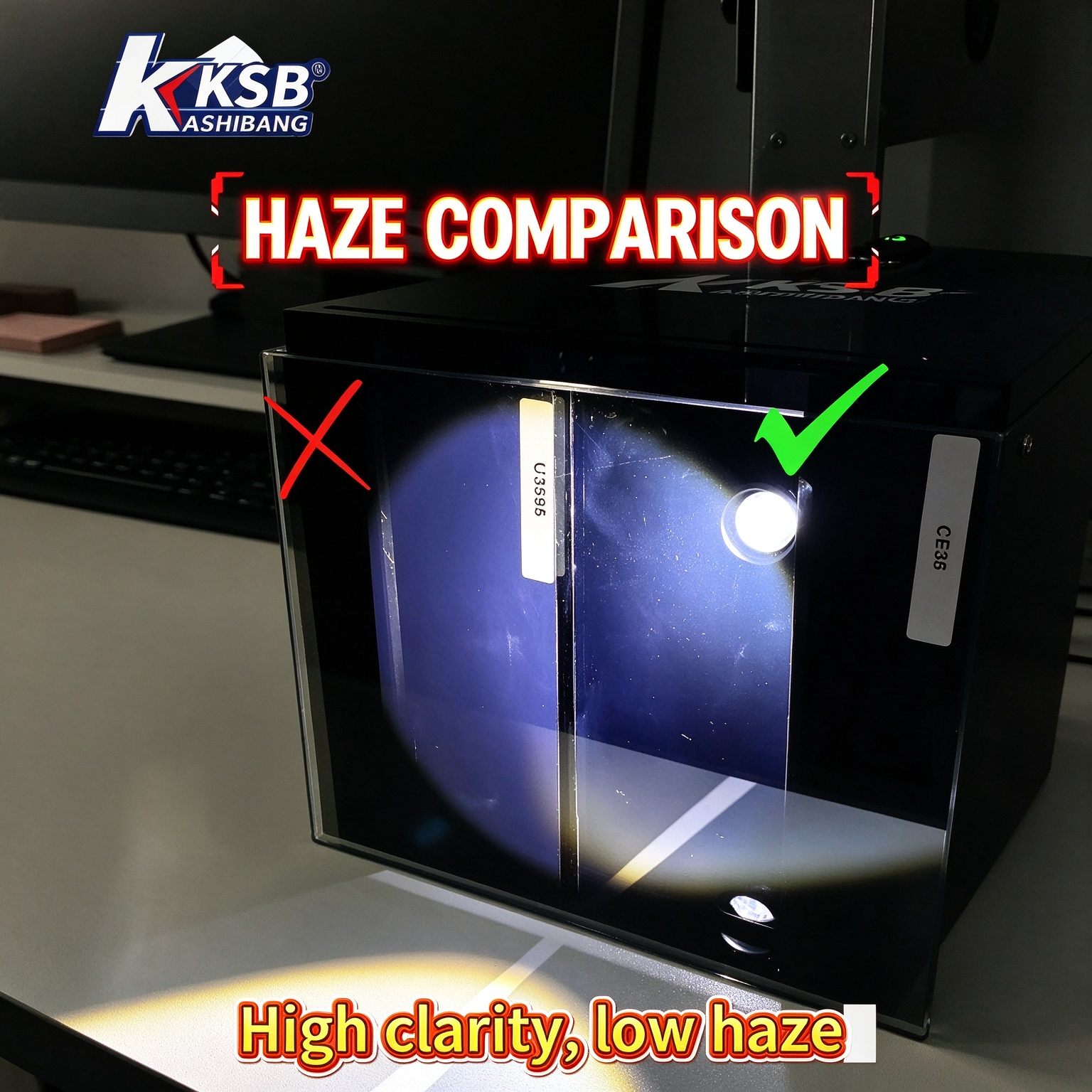
What makes automotive window film ultra clear? Learn how optical-grade PET, nano-scale particles, controlled dispersion and precision coating work together to reduce haze and improve optical clarity.
KSB Safety Window Film Residue-Free Removal
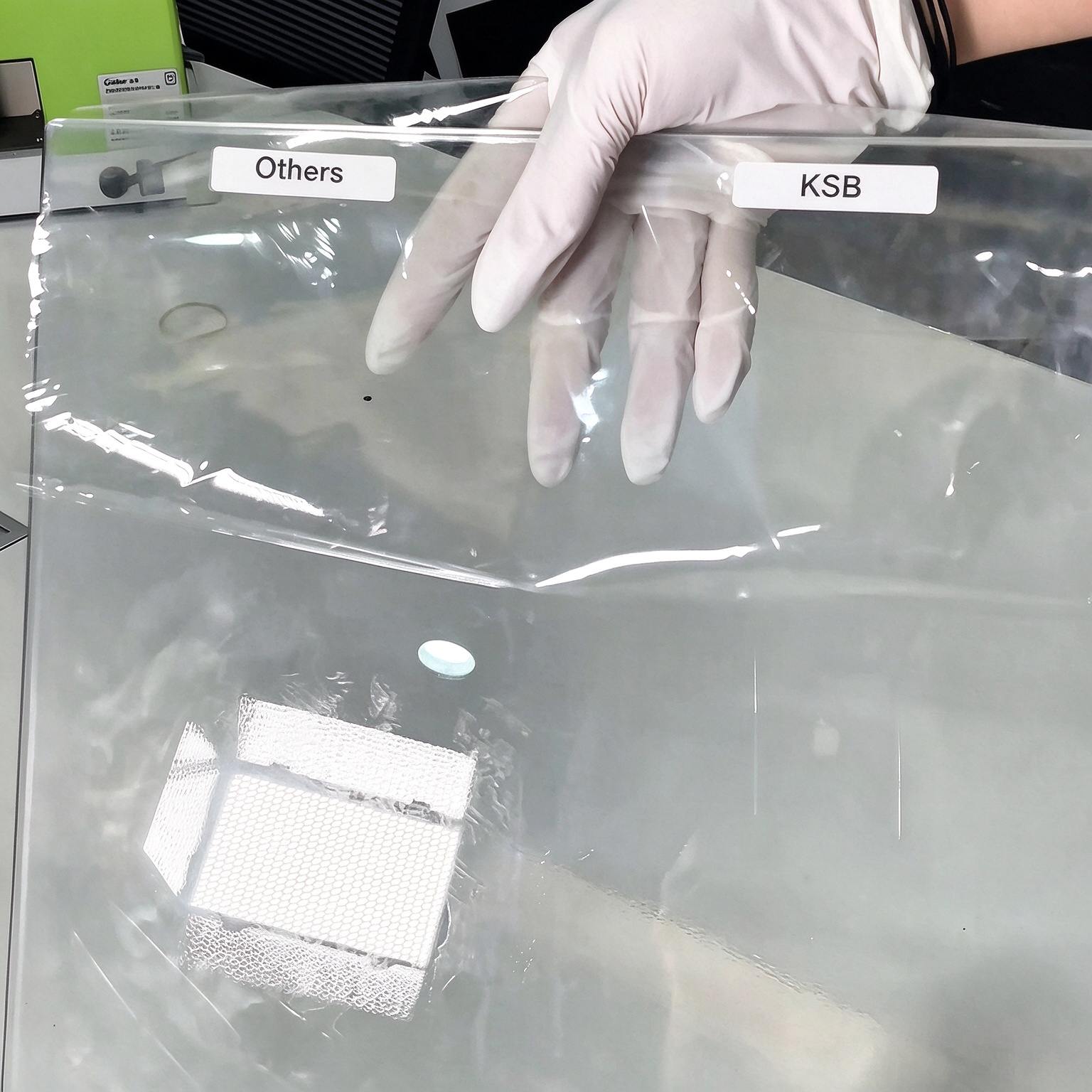
A comparison test showing KSB Safety Window Film’s clean, residue-free removal performance compared with other films.
KSB Window Film Factory Loading & Shipment
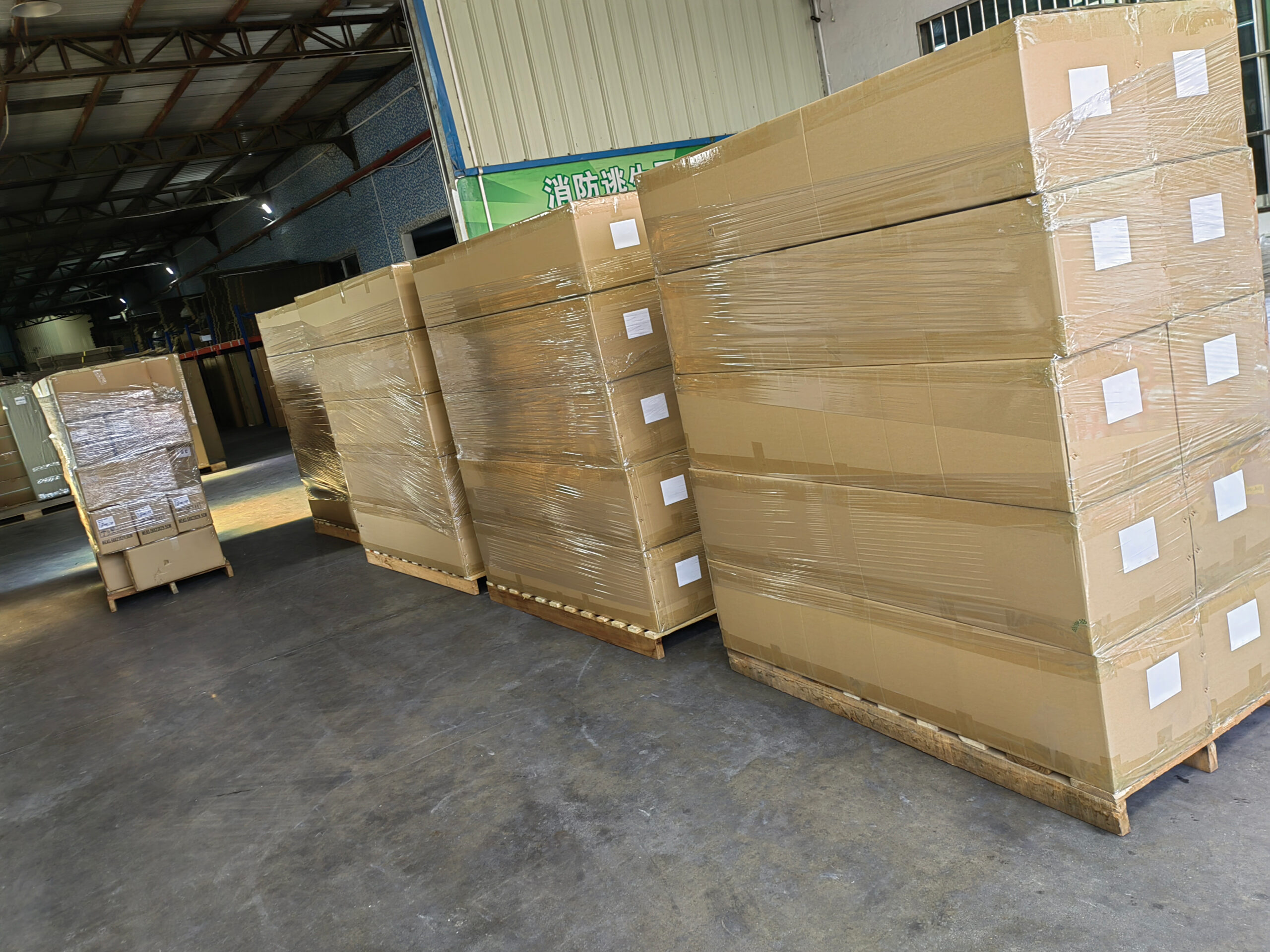
Factory loading and shipment of packed film rolls, showcasing KSB’s factory-direct supply of automotive and architectural film products.
KSB JP8060 Chameleon Windshield Film
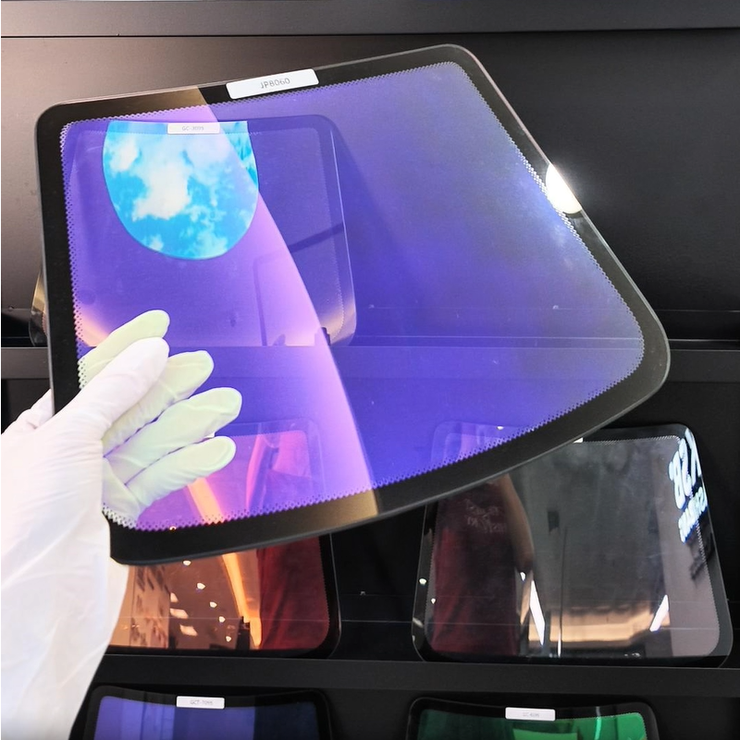
KSB JP8060 Chameleon Windshield Film combines 86.3% VLT with 100% UV rejection and 57.6% IR rejection, providing high visibility and reliable heat protection.
Anti-Glare Window Film for Cars: How Haze and Internal Reflection Affect Visibility
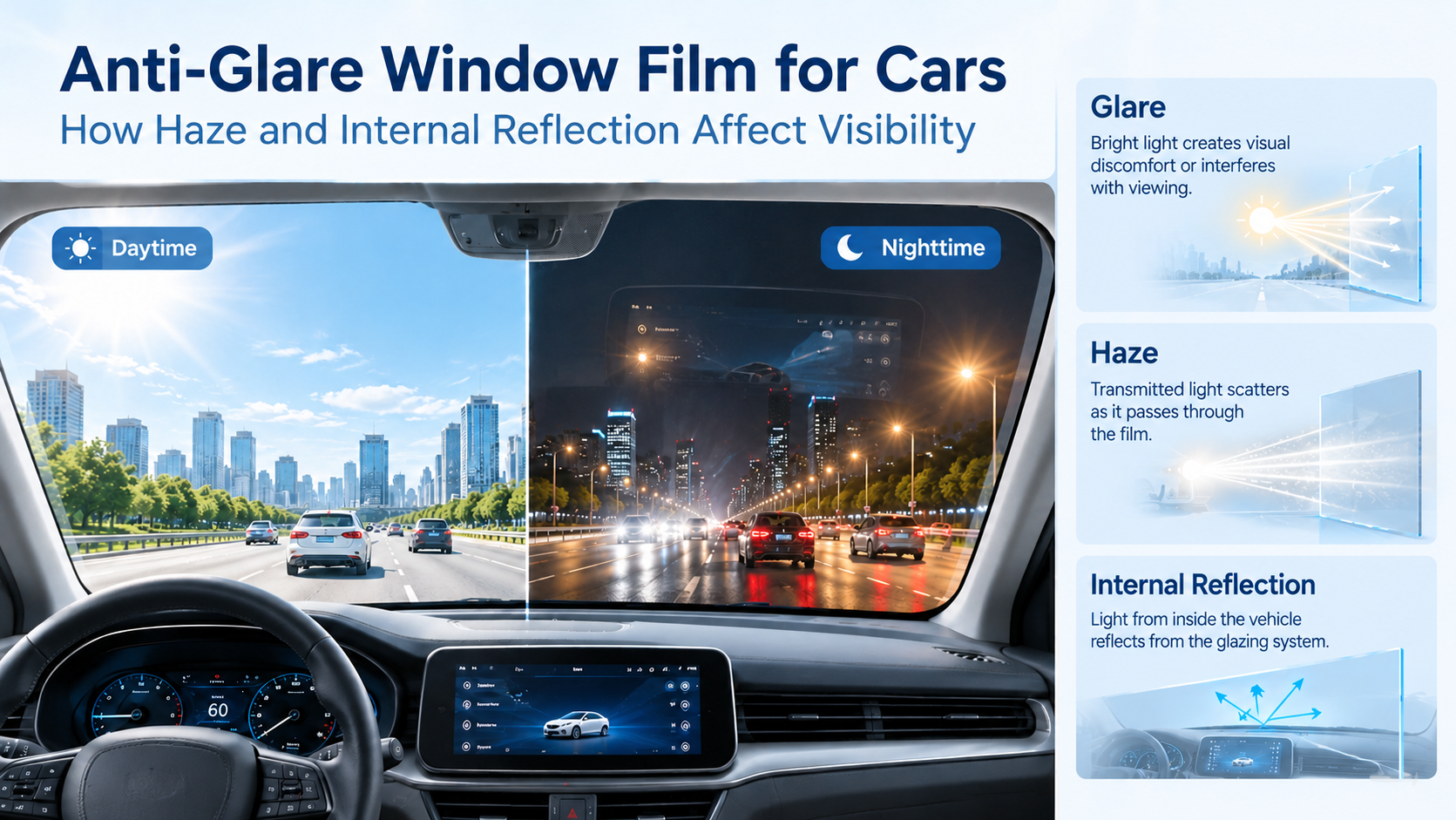
How does anti-glare window film affect driving visibility? Learn the difference between haze and internal reflection, why they matter at night, and which optical specifications to compare when choosing automotive window film.
What Is Chameleon Window Film and How Does It Work?
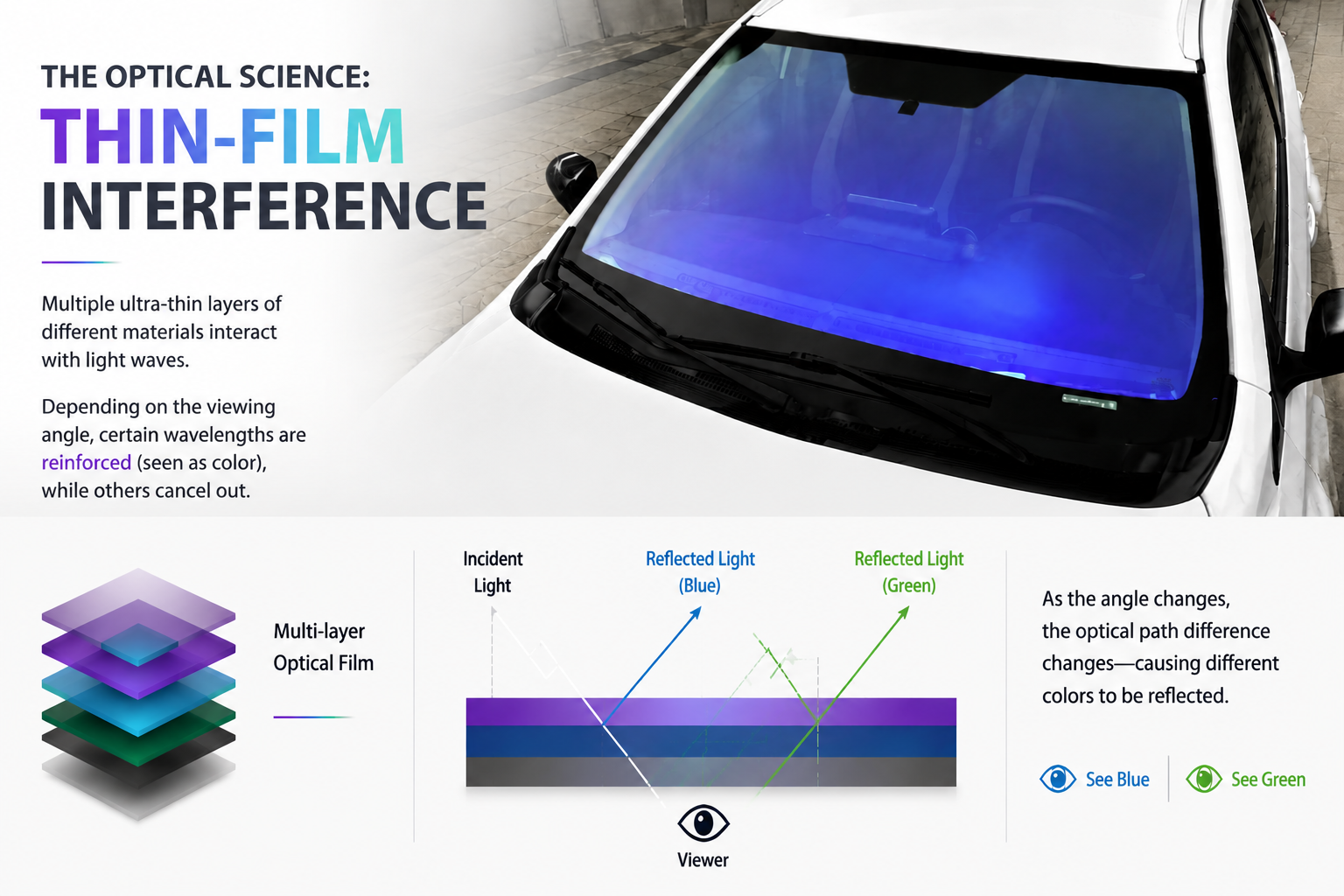
Chameleon window film uses advanced thin-film interference technology to create a dynamic color-shifting effect on automotive glass. This guide explains how multilayer optical structures produce changing colors, what performance benefits it offers, including UV protection and heat rejection, and what buyers should consider before choosing chameleon film.
KSB Chameleon Film with High Clarity
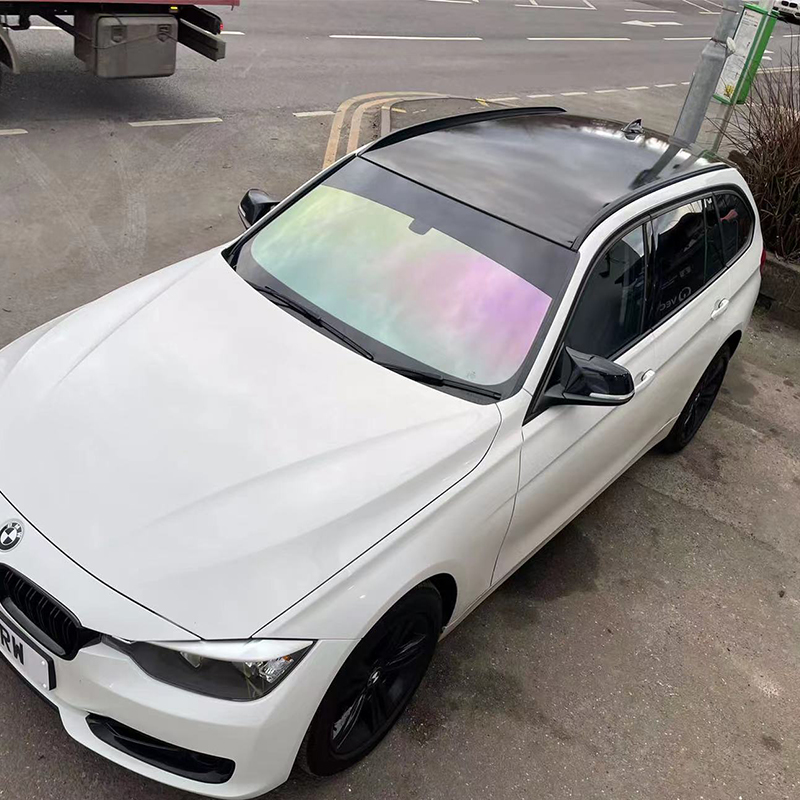
KSB Chameleon Film offers high optical clarity with 91% VLT, 99% UV rejection, and a distinctive purple iridescent appearance.
KSB automotive window film factory
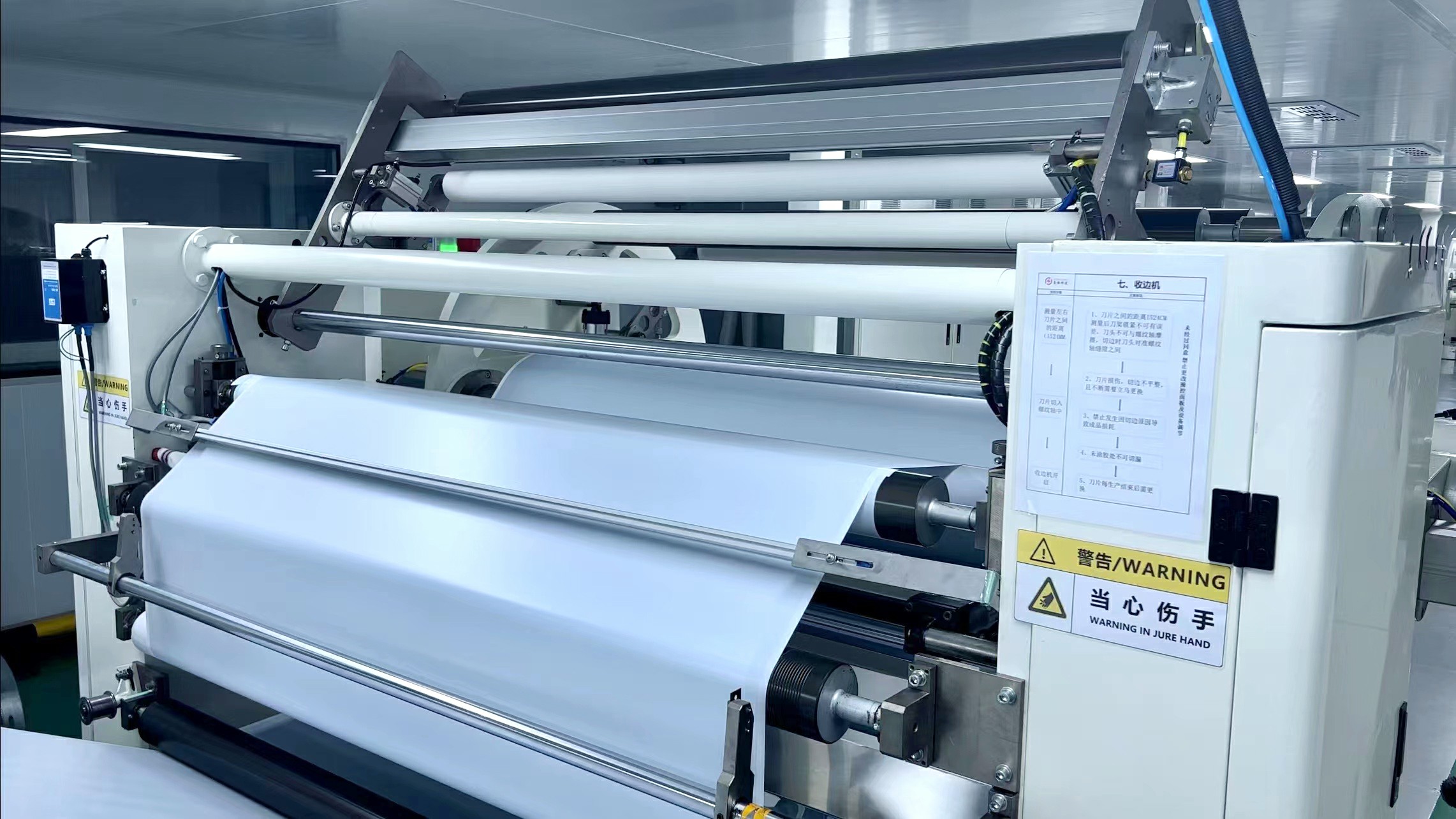
KSB automotive window film factory shows the whole process of film production and packaging, presenting stable quality and standardized manufacturing.