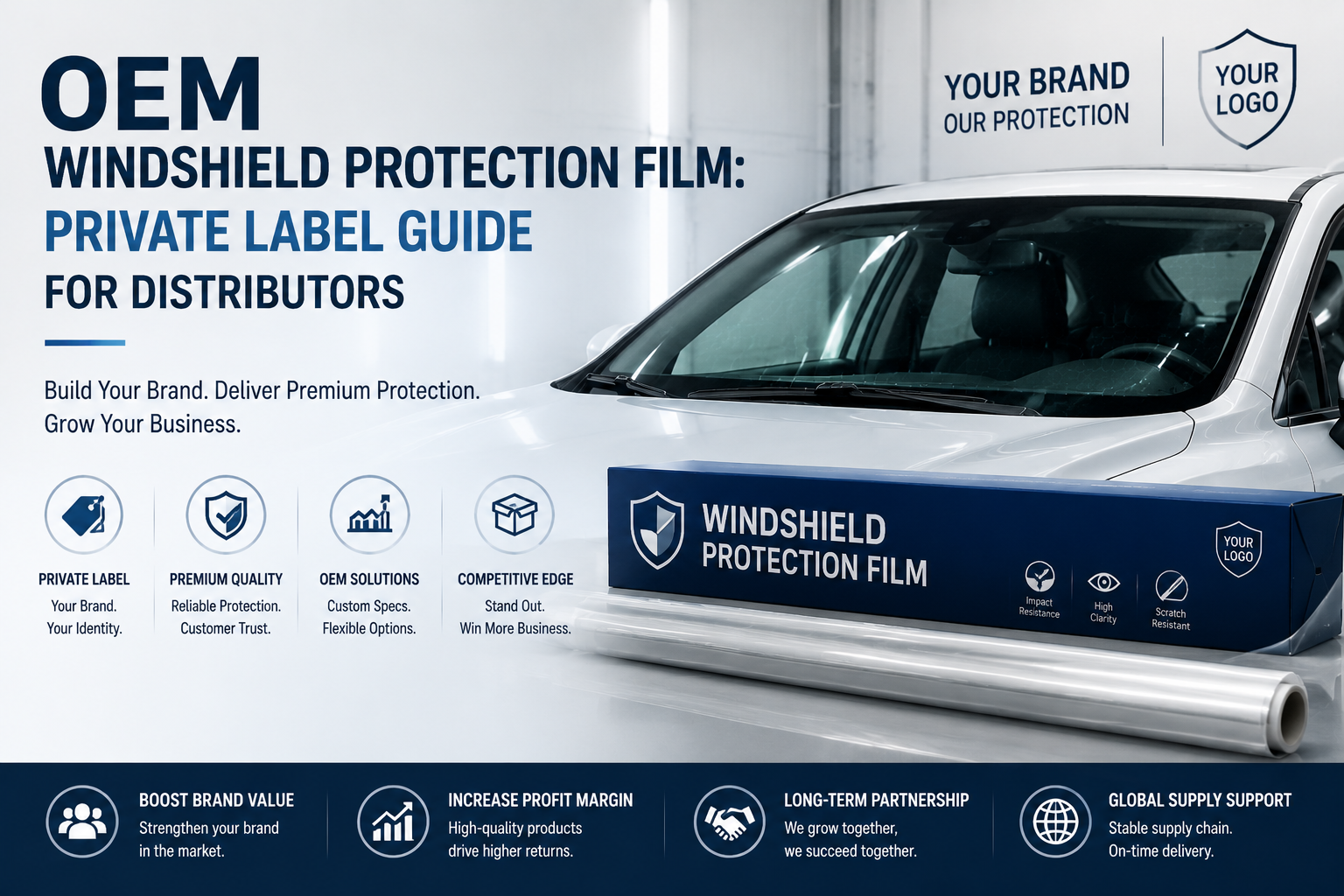
OEM Windshield Protection Film: Private Label Guide for Distributors
Published: October 21, 2026 · 9 min read · Category: Windshield Film
About this article: KSB Window Film operates an OEM and private label windshield protection film program for automotive distributors. Windshield film brand building has specific requirements that differ from body PPF brand programs — this guide addresses them directly.
OEM windshield protection film solutions with custom branding, technical support, and private label services for distributors.
Windshield protection film is a growing category in the automotive aftermarket — and one of the most under-served for distributors looking to build differentiated product ranges. Most installers currently stock one or two windshield film products, often as an afterthought to their PPF range. Distributors who build a credible, documented windshield film brand are entering a market with limited competition and clear upside.
But windshield film brand building is more technically demanding than body PPF private label. The optical certification requirements, ADAS compatibility documentation, and installer-facing technical support obligations are higher. This guide covers what it takes to do it properly.
Why Windshield Film Is Distinct From PPF Brand Building
Body PPF brand building requires good TPU, a strong top coat, attractive packaging, and installer training. Windshield film brand building requires all of that, plus:
Optical certification that you can stand behind. When a customer’s installer calls because there’s haze on the windshield, your brand name is on the claim. Optical claims (haze below 0.5%, zero distortion) must be backed by current third-party test data — not manufacturer assertions.
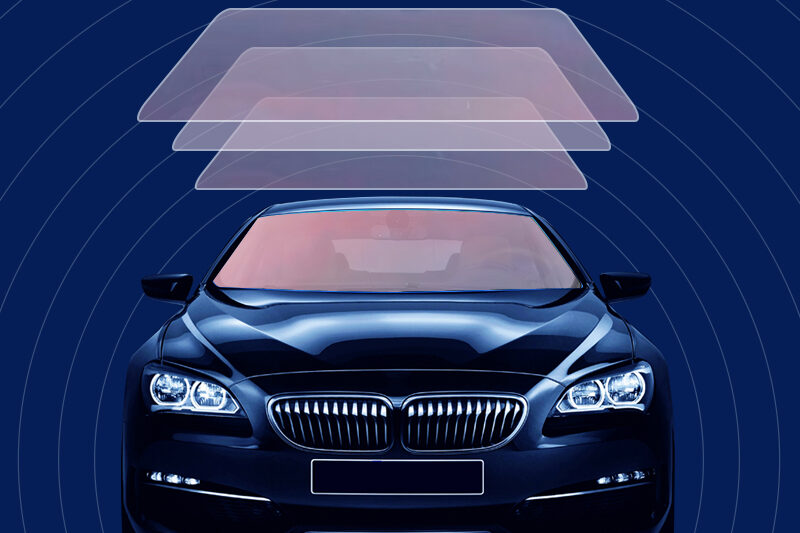
ADAS documentation your installers can give to customers. Modern vehicle owners google their vehicle’s sensors before installing any product on the windshield. Your brand needs clear, vehicle-specific ADAS guidance that gives installers confident answers to “will this affect my cameras?”
A wiper compatibility story. Body PPF doesn’t face wiper abrasion. Windshield film does. Your product specification needs to address service life under wiper operation, and your installers need to know what to tell customers.
A differentiated optical performance tier. In body PPF, premium brands differentiate on self-healing speed and top coat hardness. In windshield film, the primary differentiator is optical quality at the premium end — haze below 0.3%, zero distortion, AR-coating for HUD vehicles. If your brand can credibly claim and certify this, you own the premium installer segment.
Private Label vs OEM for Windshield Film
Private Label (Your Brand on Existing Specification)
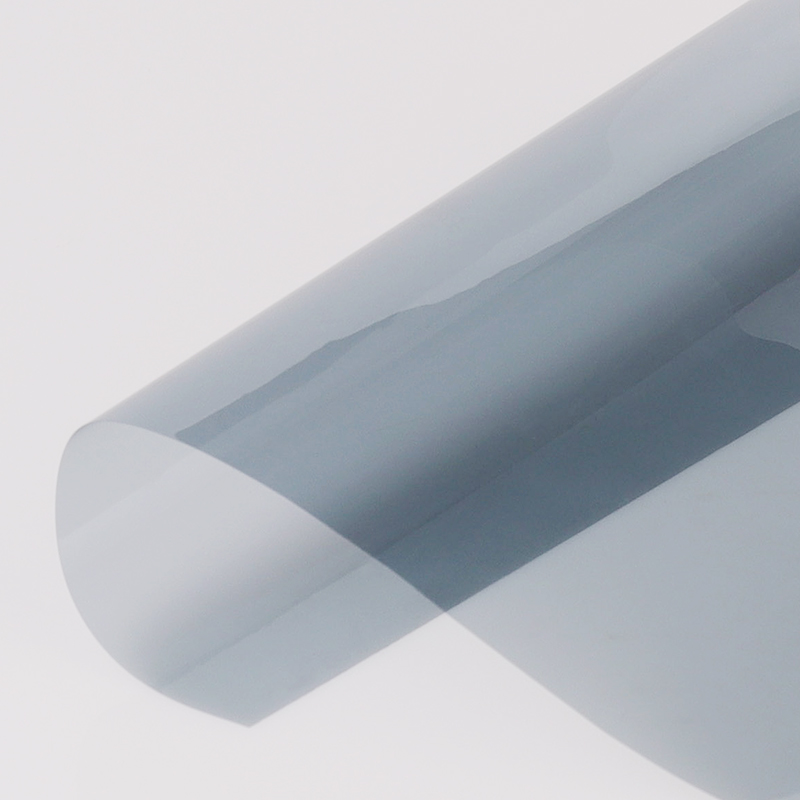
The faster path to market. You apply your brand to the manufacturer’s existing windshield film product. The film formulation, adhesive chemistry, and optical specification are the manufacturer’s. You contribute brand name, packaging, and marketing.
Advantages: 6–8 weeks to branded product. No development cost. Known performance from existing test data.
Limitations: The same film is available to other distributors from the same manufacturer under different brands. Optical performance is fixed by the manufacturer’s existing product — if it achieves 0.5% haze, that’s your brand’s haze, not 0.3%.
Best for: Distributors entering windshield film for the first time, testing market demand before OEM investment.
OEM (Custom Specification)
You define the optical performance target, top coat chemistry brief, hydrophobic requirement (if any), and thickness specification. The manufacturer develops the product to your brief.
Advantages: Proprietary optical specification that other brands can’t match without developing their own product. ADAS compatibility testing on your specific formulation. True product differentiation.
Limitations: 12–18 weeks from brief to first production. Development cost ($3,000–$10,000 for optical development and testing cycles). Higher MOQ (typically 300–500 rolls per SKU for first OEM run).
Best for: Distributors who’ve proven market demand with private label and are ready to build a defensible product position. Installers who service premium and luxury vehicle fleets and need the highest optical certification.
The Essential Documentation Package for Windshield Film Brands
This is where windshield film brand building requires more investment than body PPF. Your brand’s documentation package should include:
Optical certification (non-negotiable): Current ASTM D1003 haze test report for the specific product. The report must name your branded product, specify the test conditions, and be from an accredited laboratory. Update annually.
Optical distortion specification: How you define and verify “zero distortion” matters. At minimum: a documented assessment methodology and a pass/fail threshold. Premium brands go further — ECE R43-referenced optical quality assessment.
ADAS application zone guide: A guide for your installers covering the major vehicle platforms in your market — where to apply, where not to apply, what cutouts to specify around camera and sensor areas. This doesn’t need to cover every vehicle ever made, but should cover the 20–30 most common platforms your installer base works on. See Windshield Protection Film and ADAS for the technical framework.
Wiper compatibility statement: Service life expectations under normal wiper operation. What maintenance to recommend (periodic wiper blade inspection, specific cleaning product guidance).
Installation guide: Step-by-step installation guidance specific to windshield application — different from body PPF technique in important ways (edge tucking on rubber seals, heat application for curvature, sensor zone handling).
Warranty document: What you warranty, for how long, and what the claims process is. Windshield film warranties typically cover: adhesion failure, excessive yellowing, delamination. They typically exclude: wiper damage (accelerated wear from improper wiper maintenance), impact damage, installation defects.
Installer Enablement: What Your Windshield Film Brand Needs to Support
Body PPF installers who add windshield film to their service offering need support they didn’t need for body film:
Optical assessment at point of sale: A simple haze meter or the manufacturer’s haze test data allows installers to demonstrate the film’s optical quality to skeptical customers. Without this, they’re relying on “trust me.”
ADAS question handling: Most customers will ask “will this affect my cameras/sensors?” Installers need confident, documented answers. Your ADAS zone guide enables this.
Service life expectations by vehicle use profile: An installer working with fleet customers needs to set realistic replacement expectations — 2 years for high-mileage highway fleet, 4 years for moderate-use private vehicles. Your brand’s service life data enables honest customer conversations.
Training material: Even experienced film installers may not have windshield-specific technique. Short-form installation guidance (video preferred, written minimum) reduces installation quality problems.
Packaging for Windshield Film
Windshield film rolls differ from body PPF in one critical packaging detail: the roll width. Standard windshield film is 1.52m (60 inches) wide for whole-windshield coverage, or 0.91m (36 inches) for narrower windshield partial coverage.
Label must include:
Product name and brand
Roll dimensions (width × length)
Thickness (mil / microns)
Haze specification (“Haze < 0.5%” or equivalent)
ADAS guidance reference (QR code to online guide, or “See application guide” with URL)
Batch number for traceability
Country of origin
Avoid: Any VLT claims that could be misread as windshield tinting percentages — windshield film is clear (90%+ VLT), and any lower-VLT claim may create regulatory concerns in markets with front windshield tinting restrictions.
MOQ Reference for Windshield Film OEM/Private Label
Program
MOQ per SKU
Lead Time
Exclusivity
Private label (stock formula)
100–300 rolls
4–6 weeks
Weak (formula not exclusive)
Private label + custom packaging
200–500 rolls
6–8 weeks
Packaging exclusive
OEM (custom optical spec)
300–600 rolls
14–20 weeks
Strong (spec exclusive)
FAQ
Can I import windshield film directly from China and apply my own brand labels in-market?
Yes, this is how most private label programs work. The manufacturer ships on plain cores (or with neutral temporary labels), and final branded labeling is applied at your warehouse or by your fulfillment partner. This requires coordination on label specifications and compliance — country of origin must be accurate on the final product.
What optical performance should I target for a premium brand?
Haze below 0.3% is the premium benchmark — achievable only with purpose-engineered optical formulations. For a mid-market brand, haze below 0.5% is credible and achievable with quality private label products. Don’t claim 0.3% unless you have current test data confirming it.
How do I handle warranty claims for film on luxury vehicles?
For high-value vehicle claims, the documentation trail is critical: installation photo record, batch number, product test data. Your warranty terms should clearly define covered defects (adhesion failure, yellowing) vs. excluded conditions (impact damage, wiper blade wear from improper maintenance). Resolve claims quickly — a delayed warranty response on a $5,000 Porsche windshield film claim generates disproportionate reputational damage.
Build Your Windshield Film Brand on KSB’s Platform
KSB Window Film offers private label and OEM windshield protection film programs with ASTM D1003 optical certification, ADAS zone documentation, and packaging development support. Our export team works with automotive distributors entering the windshield film category.