Windshield Protection Film vs Windshield Replacement: A Cost-Benefit Analysis
Published: September 14, 2026 · 7 min read · Category: Windshield Film
About this article: KSB Window Film manufactures windshield protection film. This cost-benefit analysis uses real market data from our installer network and public cost references. We’ve included the cases where replacement is the better answer — because honest analysis is more useful than one-sided marketing.
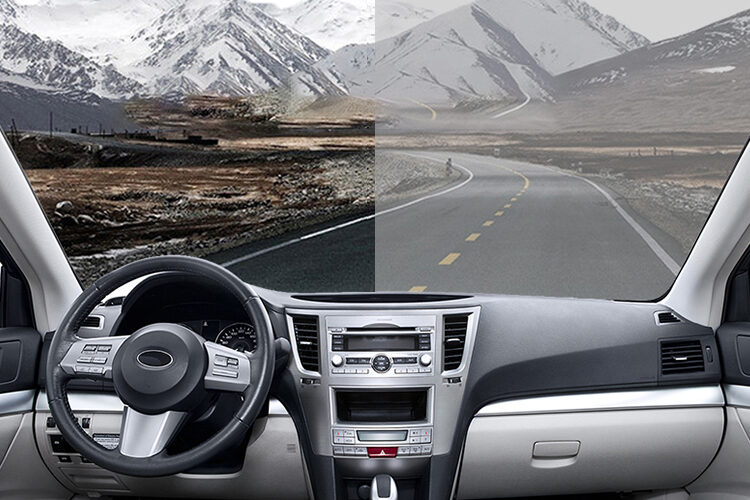
advanced window tint blocks 99% uv rays while providing high clarity, heat insulation, and safer driving visibility
The financial case for windshield protection film lives or dies on one number: how much does a windshield replacement actually cost for your vehicle, and how frequently do you expect to need one without film?
For a 2010 Toyota Camry in a market with inexpensive aftermarket glass, the answer might produce a 10-year payback that’s hard to justify. For a 2024 BMW 7 Series with acoustic laminated glass, HUD, and ADAS recalibration requirements, the same analysis produces a compelling case for film in under two years of highway driving. Context determines the answer.
The Real Cost of Windshield Replacement in 2026
Windshield replacement costs have risen significantly over the past five years, driven by two factors: the increasing complexity of modern windshields (acoustic laminated glass, embedded sensors, HUD projection areas) and the ADAS recalibration requirement.
The ADAS recalibration factor is the most significant cost change. Replacing a windshield on a modern vehicle equipped with forward-facing cameras requires recalibration of the ADAS system after installation. This typically adds $150–$500 to the replacement cost and in some cases requires a specialist visit.
Reference replacement costs by vehicle segment (2026, Western markets):
Vehicle Segment
Glass Cost
Installation
ADAS Recalibration
Total
Budget (non-ADAS)
$150–$300
$80–$150
None
$230–$450
Standard ADAS-equipped
$300–$600
$100–$200
$150–$300
$550–$1,100
Premium/Luxury
$600–$1,500
$150–$250
$250–$500
$1,000–$2,250
Exotic / specialty
$1,500–$5,000+
$250–$500+
$400–$1,000+
$2,150–$6,500+
The Annual Risk Calculation
How often does a windshield get replaced? The answer depends heavily on driving patterns.
Low-risk profile (urban, low mileage, no regular highway exposure): Expected windshield replacement frequency: once every 8–15 years for many drivers. Expected annual cost: $50–$150.
High-risk profile (regular highway driving at speed, gravel/rural roads, 25,000+ km/year): Expected windshield replacement frequency: every 3–5 years based on installer and fleet manager data. Expected annual cost: $130–$450 on a standard vehicle, $200–$750 on a premium vehicle.
Fleet and commercial vehicles: High-mileage fleet vehicles in stone-chip-prone routes can require windshield replacements every 1–3 years per vehicle. Fleet managers with data on their replacement frequency have the clearest ROI case for film.
Windshield Film Cost: The Investment Side
Film installation cost by segment:
Budget to mid-range vehicle, partial coverage: $200–$400
Budget to mid-range vehicle, full windshield: $350–$650
Premium vehicle, full windshield: $500–$1,000
Exotic / specialty vehicle: $800–$2,000
Film service life: Quality windshield film, professionally installed: 2–5 years depending on driving conditions, wiper use, and UV exposure. Budget film: 1–3 years.
Expected replacement frequency without film: every 4 years
Annual replacement cost: $375/year
Film installation cost: $750
Film service life: 4 years
Break-even: 2 years
At 2 years, the film has “paid for itself.” For the remaining 2 years of the film’s service life, it generates pure risk reduction value.
Example B: Low-mileage urban driver, standard vehicle
Expected replacement cost: $600
Expected replacement frequency: every 12 years
Annual replacement cost: $50/year
Film installation cost: $350
Break-even: 7 years — longer than the film’s service life
In Example B, the break-even is unfavourable on pure insurance logic. The film might still be justified if the driver values peace of mind, or if the next replacement would occur at an inconvenient time (travel, work commitment).
Beyond Direct Cost: Other Considerations
Downtime: A cracked windshield requiring same-day or emergency replacement takes the vehicle out of service for 2–6 hours. For commercial vehicles or time-sensitive drivers, this has real operational cost.
Insurance deductibles: Many comprehensive insurance policies cover windshield replacement, but with deductibles of $100–$500. Film prevents the deductible event.
No-claims bonus: Filing a windshield claim in some markets affects no-claims discounts. The effective cost of a “covered” replacement is higher than the deductible alone.
Wiper blade life: Windshield film’s scratch-resistant surface reduces micro-abrasion on wiper blades, potentially extending their service life — a small secondary saving.
When Film Is the Right Answer
Regular highway driving at speed — the high-debris-impact environment is where film earns its cost most quickly.
High-value vehicles — replacement cost is high, ADAS recalibration adds cost, and the financial case is clear.
Fleet vehicles with documented replacement history — if the data shows X replacements per Y vehicles per year, film ROI can be calculated with precision.
Rural or gravel road regular exposure — stone chip risk is particularly high; film provides consistent protection.
When Replacement Is the Better Answer
Existing damage: Film cannot repair existing chips or cracks. If the current windshield already has damage, address that first.
Very low mileage / urban only: The break-even stretches beyond the film’s service life for drivers with minimal highway exposure.
Vehicle at end of life: Film investment on a vehicle being sold or scrapped within 12 months is unlikely to produce positive ROI.
FAQ
Will insurance cover windshield film?
Windshield film is not typically covered by vehicle insurance as a separate item. However, if the film prevents a windshield replacement that would have been covered, the insurance cost is avoided. Some specialist vehicle insurance policies for premium and exotic cars include windshield film as a covered accessory — check your policy.
Does windshield film affect resale value?
Not negatively if the film is in good condition and the windshield beneath is undamaged. For premium vehicles, a well-maintained windshield with film is a positive — it suggests careful ownership. Film that’s aged, scratched, or lifted is a negative at point of sale.
KSB Window Film can provide film cost data and technical specifications to help you build an accurate ROI model for your specific vehicle profile or fleet. Honest analysis produces better long-term supplier relationships than oversold payback promises.