🎬 See You at the 140th Canton Fair!
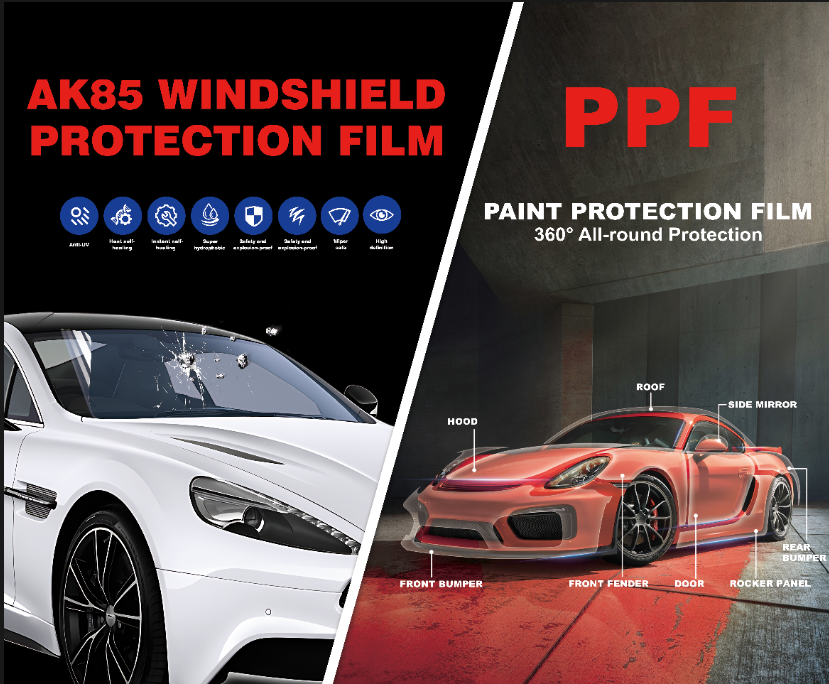
Meet KSB Film at the 140th Canton Fair in Guangzhou, October 15–19, 2026. Visit Booth 10.3B45–46 and discover our latest PPF, window film, safety film, bullet-resistant film and more.
Does Windshield Protection Film Really Prevent Stone Chips and Cracks?
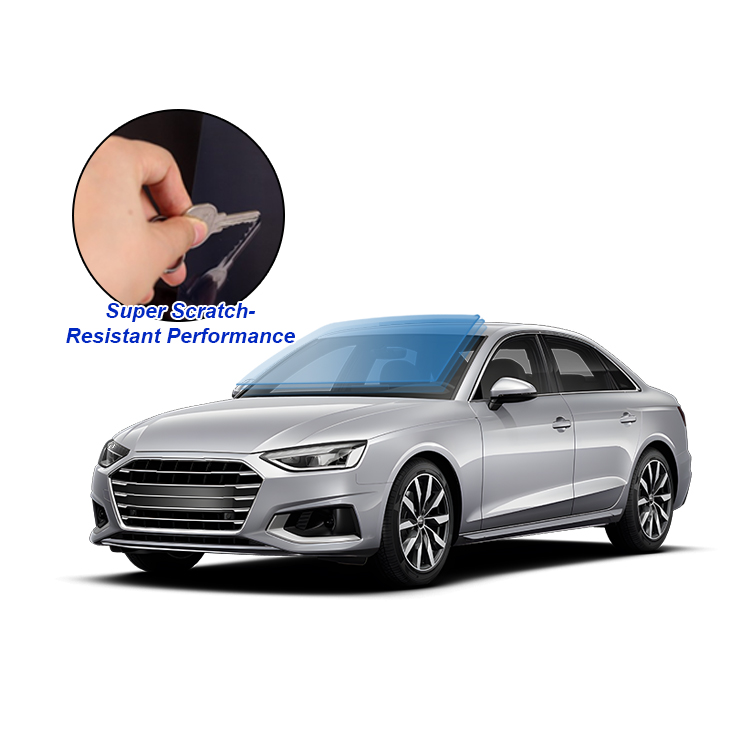
Learn how windshield protection film prevents stone chips and cracks, how it works at a physics level, what types of impacts it can and cannot stop, and how it reduces real-world windshield damage risk.
What Is Sunroof Film and How Does It Work?
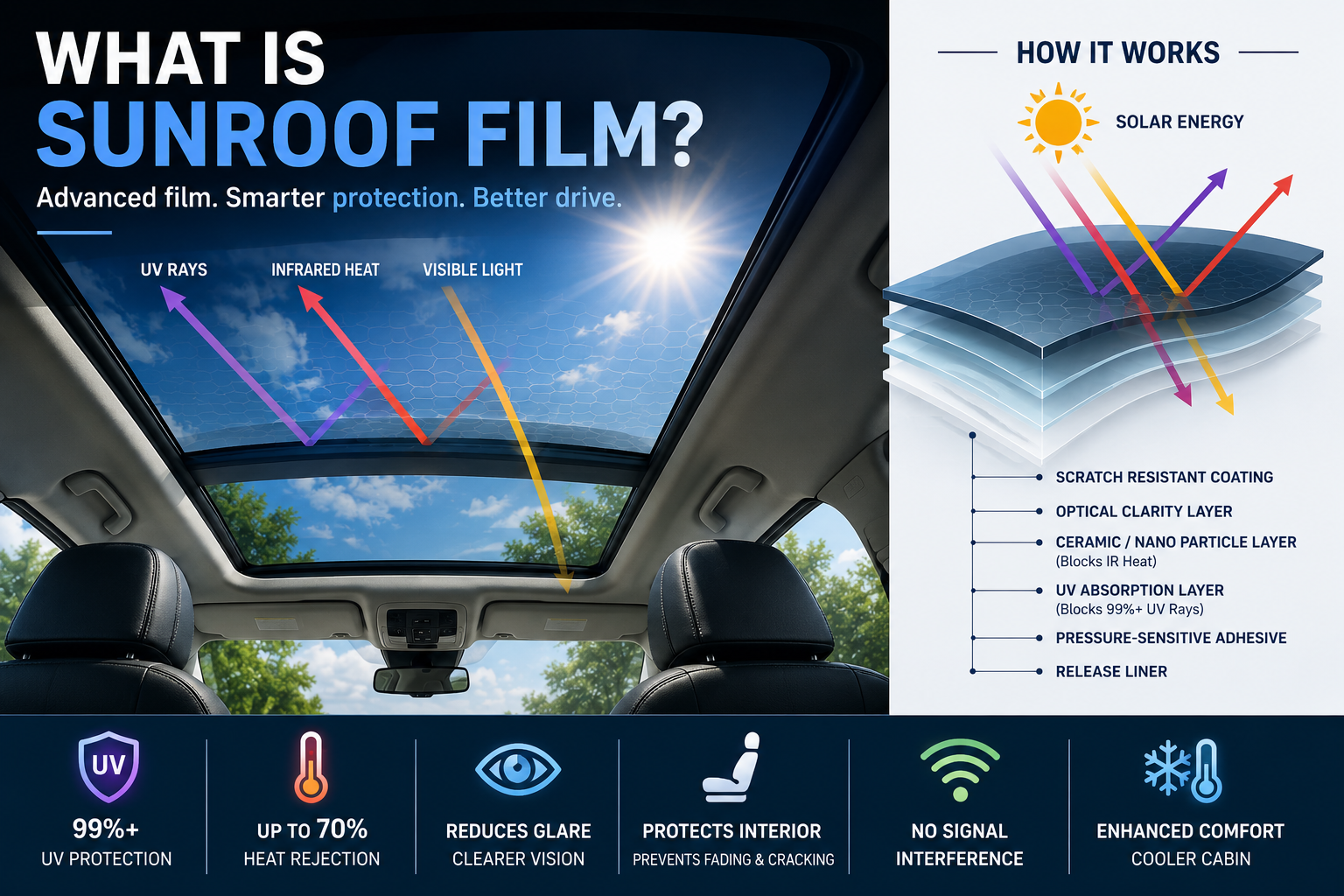
This article explains what sunroof film is, how it rejects solar heat, blocks UV rays, reduces glare, and maintains clear panoramic roof visibility.
Windshield Protection Film vs Windshield Replacement: A Cost-Benefit Analysis
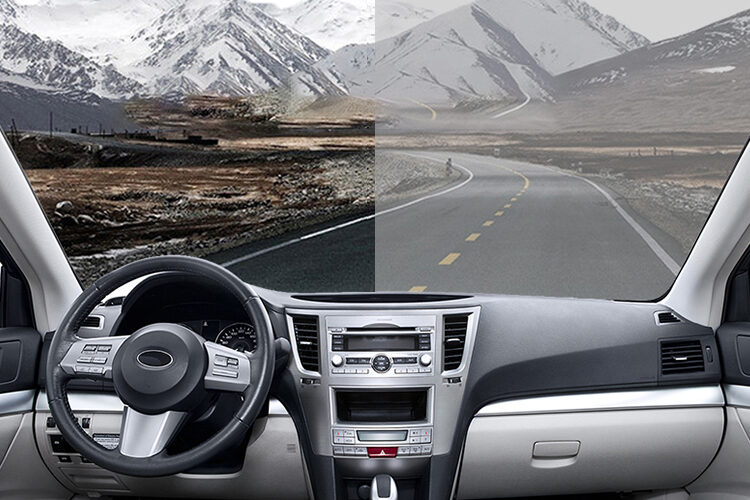
This article compares windshield protection film with windshield replacement, focusing on cost, installation, durability, and long-term value.
Windshield Protection Film vs Paint Protection Film: What’s the Difference?

Compare windshield protection film and paint protection film (PPF) in terms of optical clarity, material structure, ADAS compatibility, and real-world performance to choose the right protection for each vehicle surface.
Safety Window Film FAQ: 25 Questions Buyers Ask Before They Order
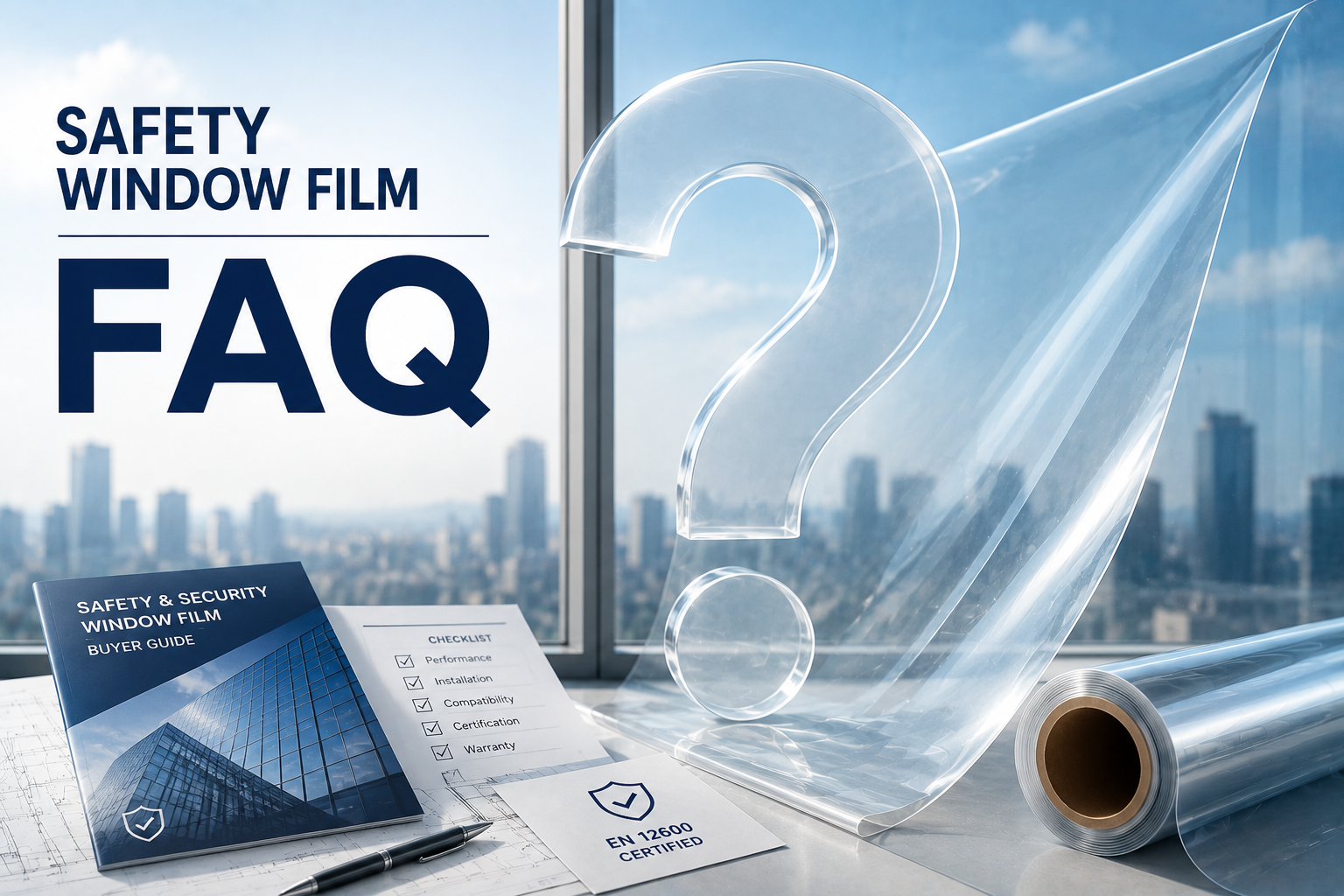
Find answers to the 25 most common questions about Safety Window Film, including certifications, installation, thickness, security performance, compatibility, pricing, and maintenance to help buyers make informed purchasing decisions.
What Is Windshield Protection Film? A Complete Buyer’s Guide (2026)

Learn what windshield protection film is, how it protects against stone chips and cracks, how it compares with PPF, and how to choose the right film for safer, longer-lasting windshield protection.
Top Safety and Security Window Film Manufacturers in China (2026)

This article introduces Top Safety and Security Window Film Manufacturers in China (2026), focusing on certified Safety Window Film and Security Window Film suppliers with EN 12600, LPS 1270, and OEM production capability for global commercial and institutional projects.
3M Window Film Alternatives: How Do They Compare?

This article compares 3M window film with major alternative brands and leading Chinese manufacturers from multiple perspectives, including performance data, pricing structure, distribution networks, and OEM capabilities, helping buyers and distributors evaluate the real differences and make informed sourcing decisions in the automotive and architectural window film markets.
Architectural Window Film Certifications: What Commercial Buyers Must Require from Suppliers
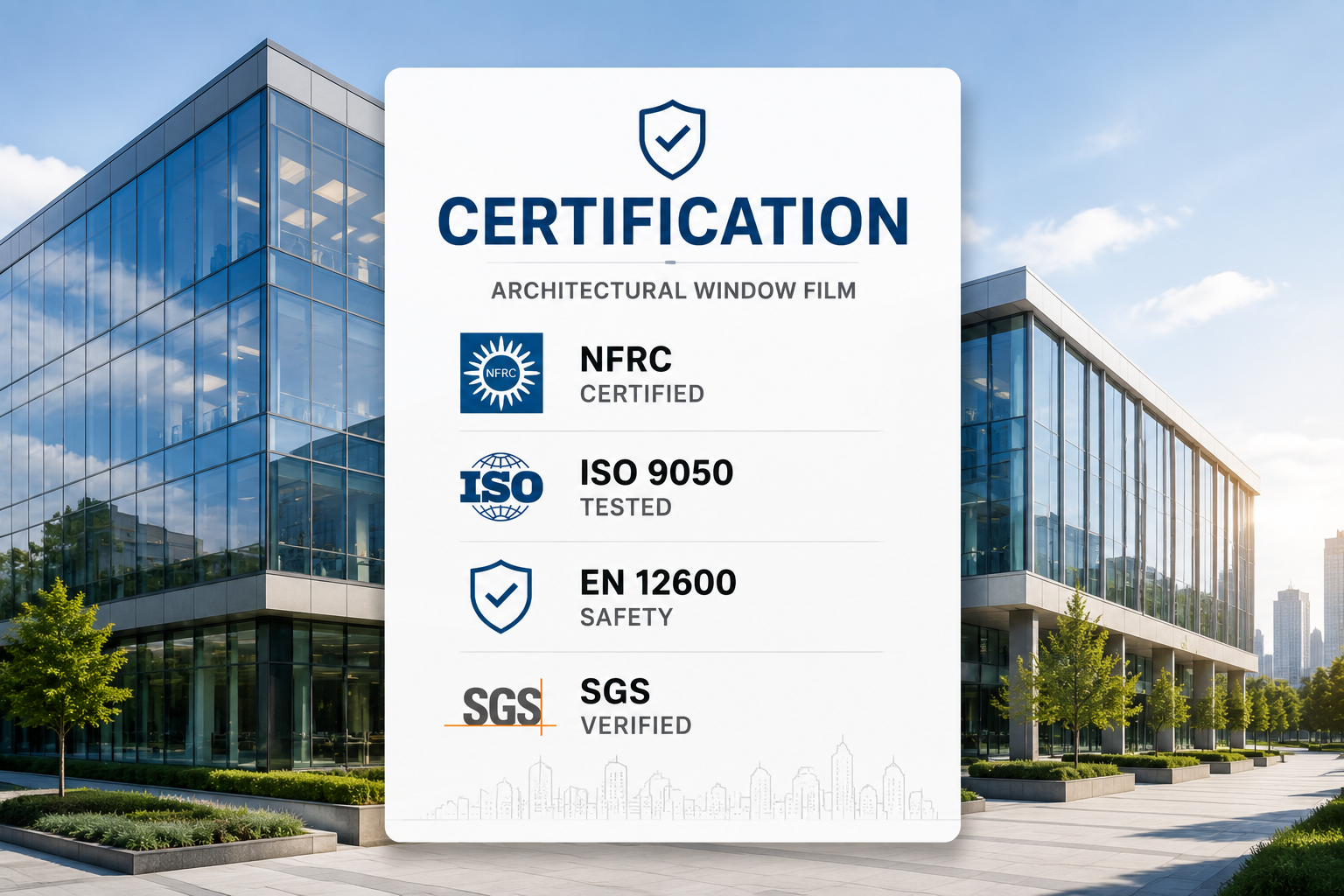
Learn which certifications commercial buyers should require from architectural window film suppliers, including NFRC, ISO 9050, EN 12600, SGS, and ISO 9001.