Last updated: May 29, 2026 | Reading time: 8 min
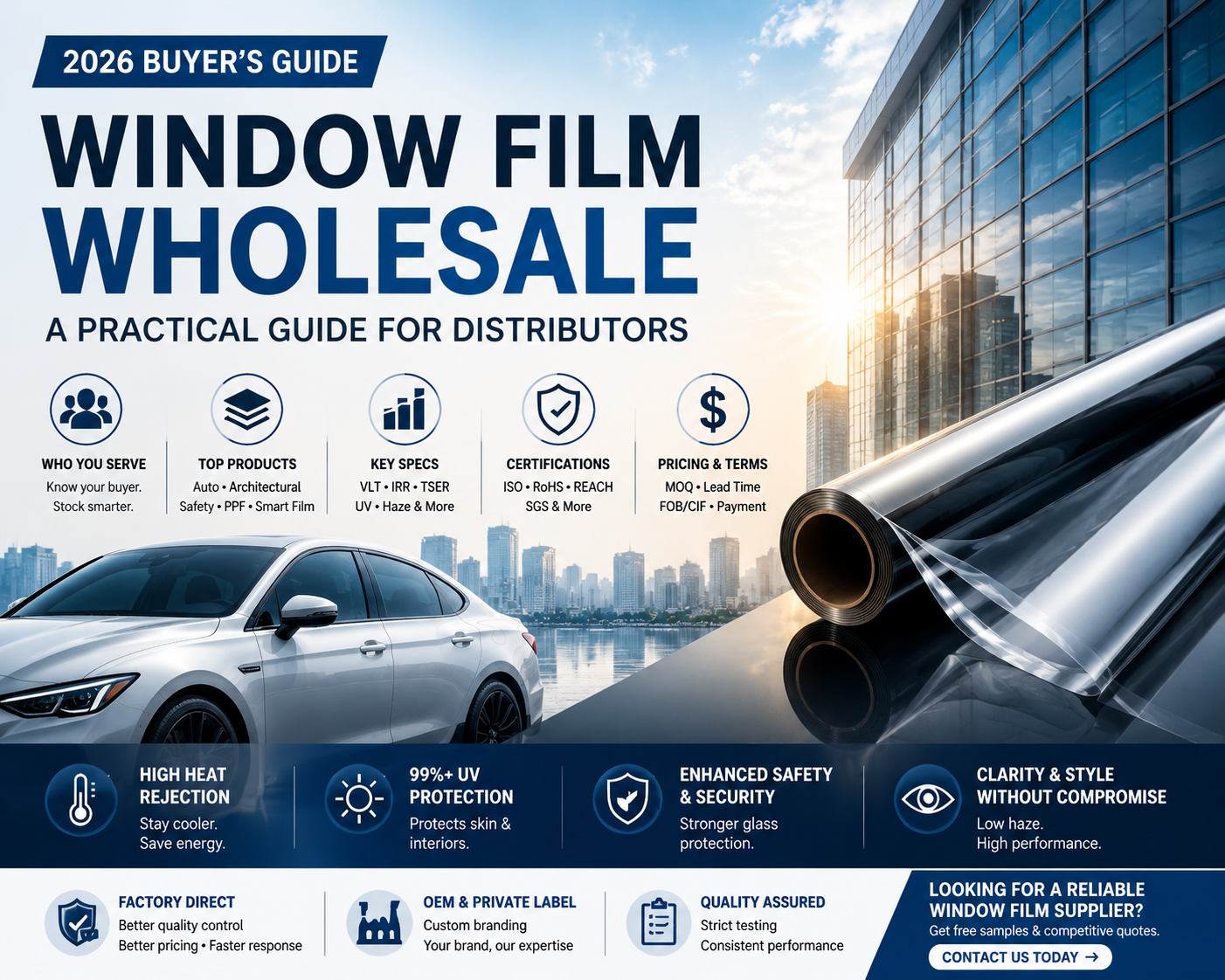
If you’ve been in the window tint or building materials business for any length of time, you already know the frustration: you find a supplier, order a container, and three months later the film is delaminating or the heat rejection numbers don’t come close to what was promised on the spec sheet.
This guide isn’t going to tell you that sourcing window film wholesale is easy. It isn’t. But there are patterns to what goes wrong — and most of them are avoidable if you know what to look for before you place the order.
We’ll cover who’s actually buying window film wholesale, the product categories worth stocking, the specs that actually matter, how pricing works, and the mistakes that cost distributors real money.
Who’s Actually Buying Window Film in Bulk
Window film wholesale buyers aren’t one type of business. In practice, the market breaks down into a few distinct groups — and your role in the supply chain changes a lot depending on which one you are.
Distributors and regional wholesalers are buying in volume (typically 50–500 rolls per SKU per order) to supply a network of installers or sub-distributors. Speed of fulfillment and consistent product quality are the top priorities. If roll #47 out of a 200-roll order performs differently than roll #1, that’s your problem to deal with downstream.
Auto tint shops and detailing chains usually buy direct when they hit a certain volume — 20+ rolls a month per location. For them, the driver is margin. They’ve already decided on a product; they want a reliable source that doesn’t keep them waiting three weeks for stock replenishment.
Construction and glazing contractors are typically buying architectural window film for commercial installs — office buildings, hotels, government facilities. They’re less price-sensitive than car tint shops but much more demanding on certifications. You will not win a government contract without proper documentation.
Trading companies are buying to re-export. These buyers usually know what they want spec-wise, can read a technical data sheet, and are primarily concerned with pricing, lead time, and shipping terms.
Knowing which type of buyer you’re serving shapes everything — from the product mix you stock to the minimum order quantities you can realistically negotiate.
The Main Product Categories Worth Knowing
Window film isn’t a single product. The wholesale market covers at least five distinct categories, and confusing them — or lumping them together in conversations with suppliers — is one of the fastest ways to end up with the wrong inventory.
Automotive window tint is the highest-volume category globally. The performance tiers break down roughly into: dyed film (entry level, fades over time), carbon film (mid-range, better heat rejection, no signal interference), andceramic/nano-ceramic film (premium, best IRR, most stable long-term). Each tier has a different margin profile and a different customer base.
Architectural window film covers solar control film, privacy film, and decorative film for residential and commercial glass. The installation market for this category has been growing steadily, particularly in hotter climates and in markets where energy efficiency is becoming a procurement requirement rather than a nice-to-have.
Safety and security film is a specialty category — thicker construction (typically 4–12 mil), designed to hold glass in place on impact. Demand comes from schools, retail, and government. It’s not a high-volume category, but the margins are better and clients tend to be sticky.
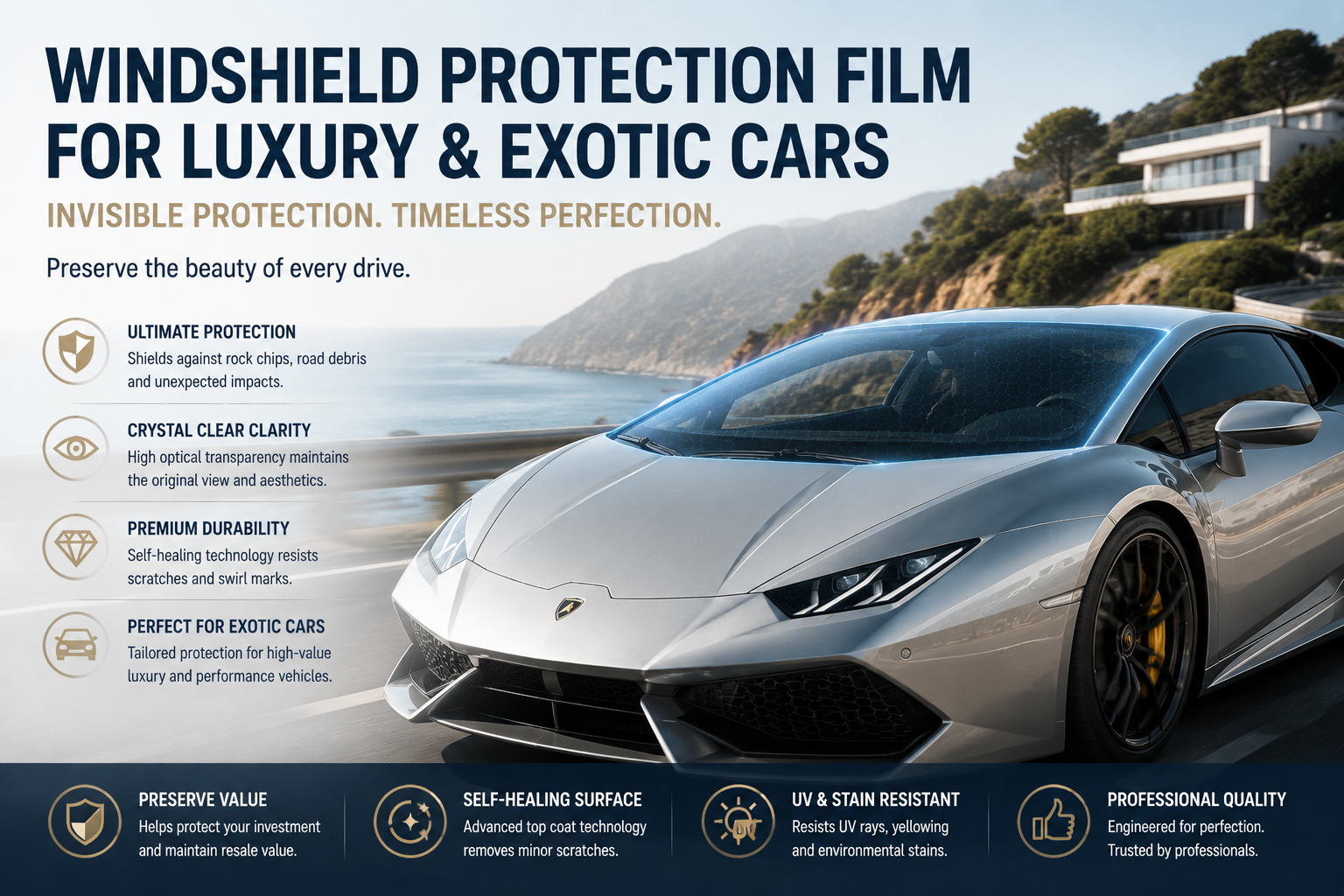
PPF (paint protection film) technically sits adjacent to window film but shares a lot of the same supply chain. Some distributors bundle both. Others keep them separate. Worth at least understanding what your supplier can offer.
Smart film / switchable glass film is still a niche but growing fast in commercial fit-outs. Electrically switchable, goes from opaque to clear. Expensive, complex to install, not for every distributor — but worth watching.
Specs That Actually Matter When Comparing Products
Suppliers will throw a lot of numbers at you. Most of them are either irrelevant to your end-customer or, frankly, easy to manipulate. Here are the ones worth focusing on.
VLT (Visible Light Transmission) — the percentage of visible light that passes through the film. A 35% VLT film lets 35% of visible light through. This number is regulated in most markets for automotive use, so make sure the products you stock comply with local legal limits.
IRR (Infrared Rejection) — probably the most important performance indicator for heat control, and also the most commonly exaggerated. IRR tells you how much infrared radiation the film blocks. A quality ceramic film should deliver 90%+ IRR. When a supplier quotes you 99% IRR, ask for an independent test report — not an in-house spec sheet.
TSER (Total Solar Energy Rejected) — a broader measurement that accounts for all solar heat gain, not just infrared. More meaningful for architectural film where overall building energy performance matters.
UV rejection — good films block 99%+ of UV. Most films, even cheap ones, do reasonably well here. Don’t let a supplier use high UV rejection as a headline number to distract from weak IRR.
Adhesive type — pressure-sensitive adhesive (PSA) is standard. What matters is stability over time and in extreme temperatures. Ask about adhesive performance at 80°C+ if you’re selling into hot climates.
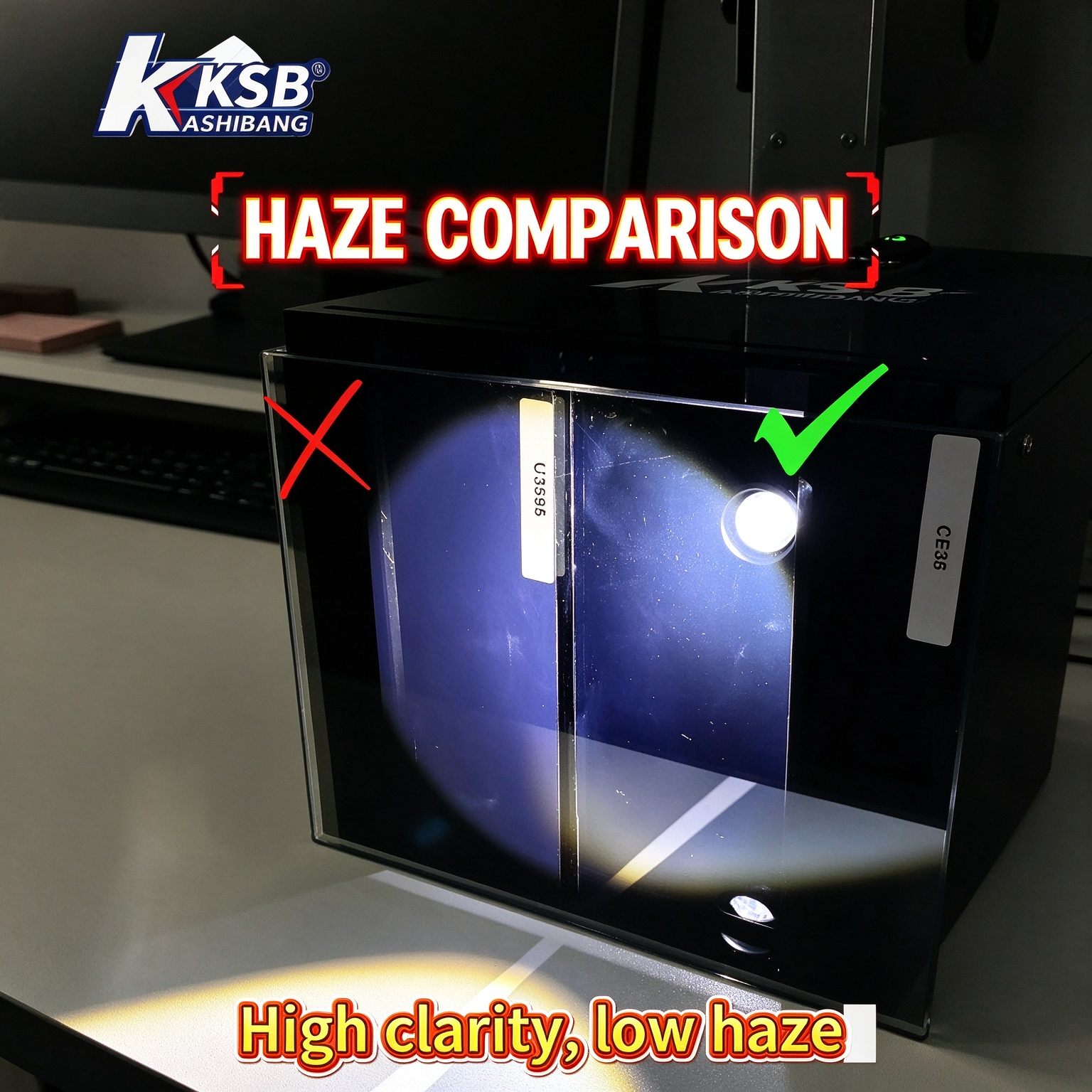
Haze value — lower is better. High haze means the film looks slightly cloudy or milky, which is immediately obvious to end customers. A haze value above 1% is noticeable; above 2% is a quality problem.
One more thing: request an independent test report from a recognized lab (SGS, Intertek, or equivalent). Any serious manufacturer can provide this. If they can’t, or they offer only internal test data, that tells you something.
How Wholesale Pricing Actually Works
Window film wholesale pricing is generally quoted per roll, with roll dimensions varying by product type (standard automotive rolls are typically 1.52m wide; architectural rolls are often 1.52m wide, 30m long).
MOQ (minimum order quantity) thresholds usually look something like this:
- Sample/trial orders: 5–20 rolls, higher per-unit price
- Standard wholesale: 50–100 rolls per SKU
- Container-level: 500+ rolls, best pricing, often includes custom packaging
Lead times from Chinese manufacturers are typically 15–25 working days for standard products, 30–45 days for custom OEM runs. Plan around Chinese New Year — most factories shut for 2–3 weeks in January or February, and pre-CNY lead times get compressed badly.
For international shipments, understand what the Incoterms mean before you sign. FOB (Free On Board) means the risk transfers to you once the goods are loaded onto the vessel. CIF (Cost, Insurance, Freight) includes shipping and basic insurance to your destination port, but the supplier chooses the carrier — which means you have less control over shipping timeline and reliability.
Payment terms: most factories require a 30% deposit upfront with the balance before shipment. Once you’ve established a track record, some will extend 30-day net terms on repeat orders. Don’t expect credit on your first order.
Certifications to Require from Any Supplier
This section matters more than people think. If you’re selling to commercial construction clients, government projects, or into regulated markets like the EU, documentation gaps will come back to bite you.
ISO 14001 — environmental management. Increasingly required for EU and government procurement.
RoHS — restricts hazardous substances. Required if you’re selling into the EU.
REACH — EU chemical regulation. Required for any film sold into Europe.
SGS or Intertek test reports — third-party performance verification for the specific products you’re buying. Ask for reports that match the actual SKUs, not generic reports for “automotive window film.”
Customs and export documentation — make sure the supplier can provide a certificate of origin, correct HS codes, and that their product descriptions on commercial invoices match what you’re actually importing. Incorrect documentation causes customs delays that will make you miss customer commitments.
Mistakes Distributors Make (That Are Entirely Avoidable)
Buying on price alone. Window film is a product where a $0.50/roll difference in unit cost can easily become a $5,000 returns-and-rework problem. IRR and haze values vary enormously across price points. Calculate total cost of ownership, not unit cost.
Skipping the sample stage. Every serious supplier will send samples before a bulk order. If you’re not testing samples against your own standards — including an actual installation — you’re flying blind.
Not checking adhesive performance in your market’s climate. A film that performs fine in Northern Europe can bubble, peel, or fail within 18 months in the Gulf or Southeast Asia. Ask specifically about heat and humidity performance data.
Conflating trading companies with manufacturers. Trading companies serve a purpose, but they add margin, have less control over production quality, and can’t solve manufacturing problems directly. If consistency matters to your business — and it should — working with the actual factory is worth the extra effort to find them.
Ignoring lead time buffers. Distributors who run lean on inventory hit problems every time there’s a production delay, a shipping disruption, or an unexpected surge in demand. Build in 4–6 weeks of buffer stock on fast-moving SKUs.
Ordering too many SKUs too early. A common mistake with new distribution relationships: ordering 10 different products to “test the market” and ending up with dead inventory across half of them. Start narrow — two or three core products — prove the demand, then expand.
Why Factory-Direct Matters More Than You Think
There are a lot of window film “manufacturers” online who are actually trading companies. They buy from factories, relabel, and sell. Nothing inherently wrong with that — except when problems arise.
When you’re buying through a middleman and there’s a quality issue with batch 4 of your order, the trading company has to go back to the factory, the factory disputes it, and you’re waiting six weeks for a resolution while your customers are calling you.
When you’re working directly with the factory, you can escalate to production, request a batch test, adjust a spec, or fly out to audit the line if the relationship is large enough to justify it. That’s a real difference in how problems get resolved.
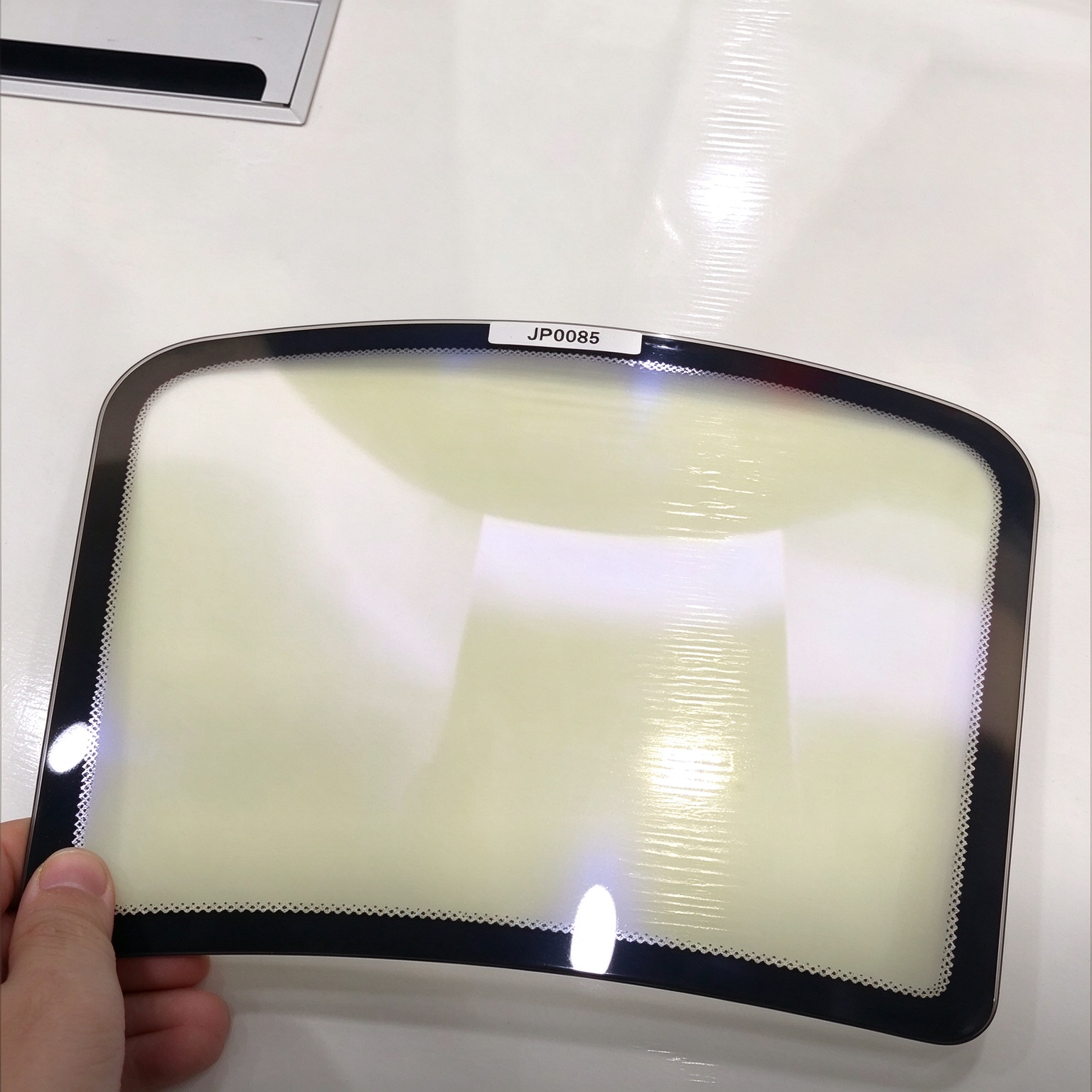
KSB manufactures window film in Dongguan, China — automotive, architectural, safety, and PPF categories. Factory-direct sourcing, OEM and private label available, ISO certified, with test reports from SGS available for the full product range. If you’re comparing suppliers or looking for a second source, we’re happy to send samples first and answer specific technical questions before any commercial discussion.
FAQ
1.What is the difference between OEM and private label window film?
OEM window film allows buyers to customize specifications, packaging, and branding, while private label usually uses existing factory products with only logo or packaging changes.
2.How long does OEM window film production usually take?
Most OEM window film orders require around 3–6 weeks for production depending on film type, packaging complexity, and order quantity.
3.Can I order custom packaging for small OEM quantities?
Some manufacturers support flexible OEM packaging for smaller trial orders, but fully customized packaging usually requires higher MOQ levels.
Getting Started
If you’re evaluating suppliers right now, here’s a simple checklist before you commit to a bulk order:
- [ ] Received and tested physical samples
- [ ] Reviewed independent IRR and VLT test reports
- [ ] Confirmed certifications match your target market requirements
- [ ] Clarified MOQ, lead time, and payment terms in writing
- [ ] Understood Incoterms and responsibility for freight/insurance
- [ ] Confirmed OEM/private label capability if relevant
Request a wholesale price list from KSB → [Link to inquiry form]
We typically respond within 24 hours with pricing, lead times, and available sample options.
Have a specific product requirement or technical question? Contact our team directly — we’re happy to discuss specs before you commit to anything.
Get a Free Sample or Quote
Looking for a reliable window film supplier? Contact us today for fast response and professional support.