PPF Formula Optimization for the Middle East: Beating 50°C Heat and Sandstorms

PPF protecting luxury SUV in extreme 50°C desert heat and sandstorm conditions in Middle East

This article explains how PPF formulations are optimized for extreme Middle Eastern climates, including 50°C heat, high UV exposure, and sandstorm abrasion. It details engineering adjustments in adhesive Tg, HALS loading, top coat hardness, and UV stabilisation systems to ensure long-term durability and performance in Gulf region automotive applications.

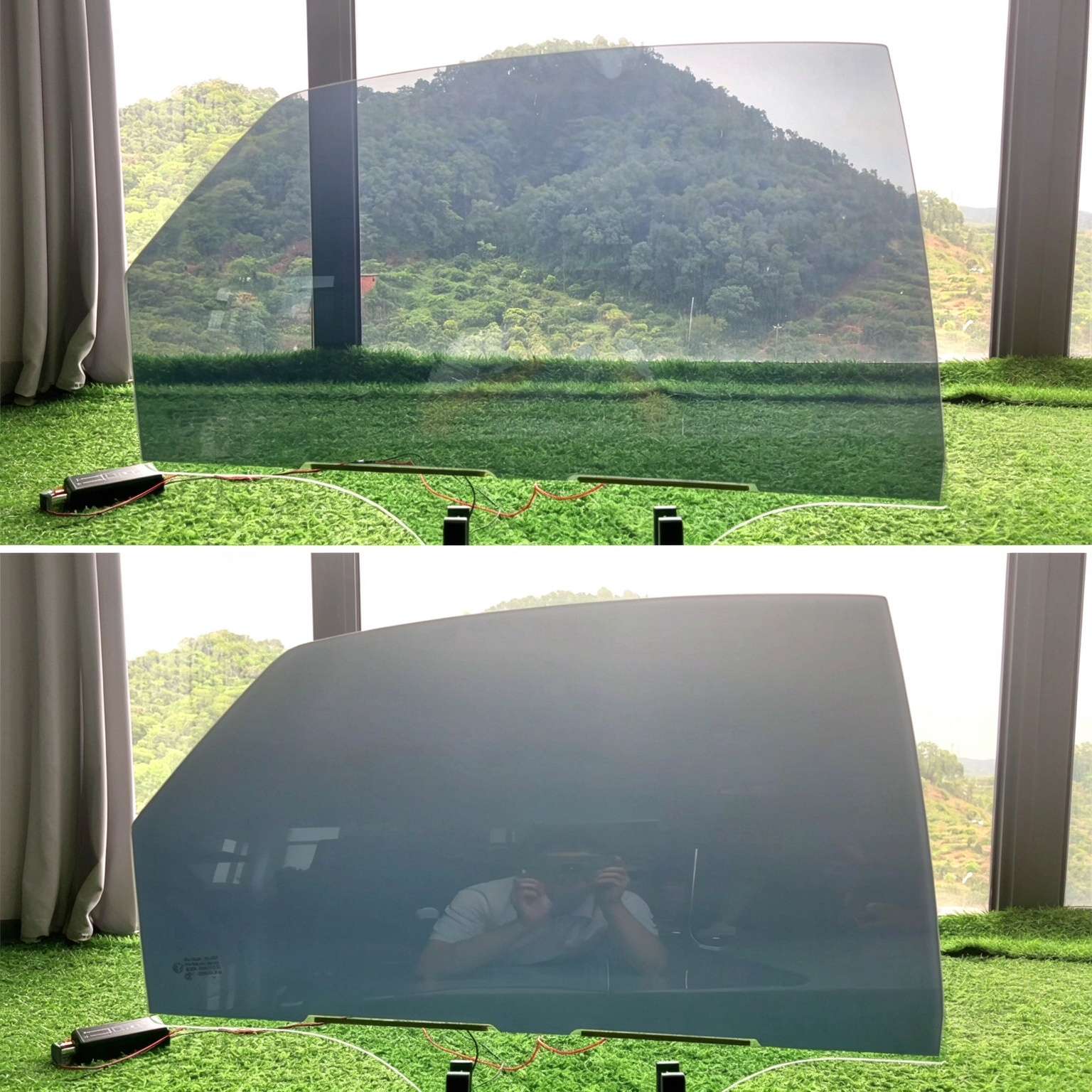
The Future of Nano Coating Technology in Window Films

Infographic showing Cesium Tungsten Oxide and multi-layer nanocomposite coatings in advanced window film nano coating technology

This article explores the future of nano coating technology in window films, focusing on next-generation materials such as cesium tungsten oxide, multi-layer nanocomposites, thermochromic phase-change coatings, and self-cleaning nano layers. It explains how these innovations will improve IR rejection, solar control efficiency, and adaptive performance in automotive and architectural applications over the next 3–5 years.

How to Identify Real TPU from Fake TPH/PVC Paint Protection Films

Real TPU vs fake TPH/PVC paint protection film comparison infographic highlighting material quality and performance differences.

This article provides practical field tests to distinguish genuine aliphatic TPU paint protection film from counterfeit PVC or misrepresented TPH products. It introduces four simple evaluation methods—stretch recovery, burn test, solvent odor test, and adhesive residue test—helping B2B buyers verify material authenticity before bulk purchasing and avoid long-term quality risks.

Sustainability Trends in the Window Film Industry

Dark corporate infographic showing sustainability trends in the window film industry with architectural window film, energy savings, EV efficiency, greener materials, and green building certifications

This article explains the real sustainability value of window film, focusing on energy savings in buildings, EV efficiency improvement, and material lifecycle impacts. It also examines how ISO 14001 manufacturing practices, NFRC data, and green building standards like LEED and BREEAM are driving demand for documented environmental performance in the window film industry.

Yellowing Test Standards: What QUV Accelerated Weathering Tells B2B Buyers

Yellowing test standards chart for PPF showing QUV accelerated weathering evaluation results and UV durability comparison

This article explains how QUV accelerated weathering testing (ASTM G154) evaluates long-term yellowing, color stability, haze, and mechanical retention of PPF materials. It helps B2B buyers understand how to interpret Yellowness Index (YI), ΔE color change, and real-world aging equivalence to verify anti-yellowing claims in paint protection film.

How AI Is Transforming Window Film Manufacturing

AI-powered window film manufacturing system with machine vision inspection and automated quality control on a nano ceramic film production line

This article explores how artificial intelligence is transforming window film manufacturing through machine vision inspection, process optimization, predictive maintenance, and quality traceability. It explains how AI helps manufacturers improve consistency, reduce defects, optimize nano ceramic film production, and enhance quality control systems while highlighting the practical benefits for distributors, OEM buyers, and professional installers.

Behind the Scenes: Inside a 10,000-Class Clean Room PPF Coating Line

10,000-class clean room paint protection film (PPF) coating production line with automated machinery and dust-free manufacturing environment

This article explains how a 10,000-class (ISO 7) clean room coating environment directly impacts PPF optical quality and defect rate. It details how controlled air filtration, temperature, humidity, and personnel protocols reduce gel specs, fisheyes, and particulate contamination, ensuring premium-grade paint protection film suitable for high-end automotive applications.

Top Automotive Window Film Trends for 2026

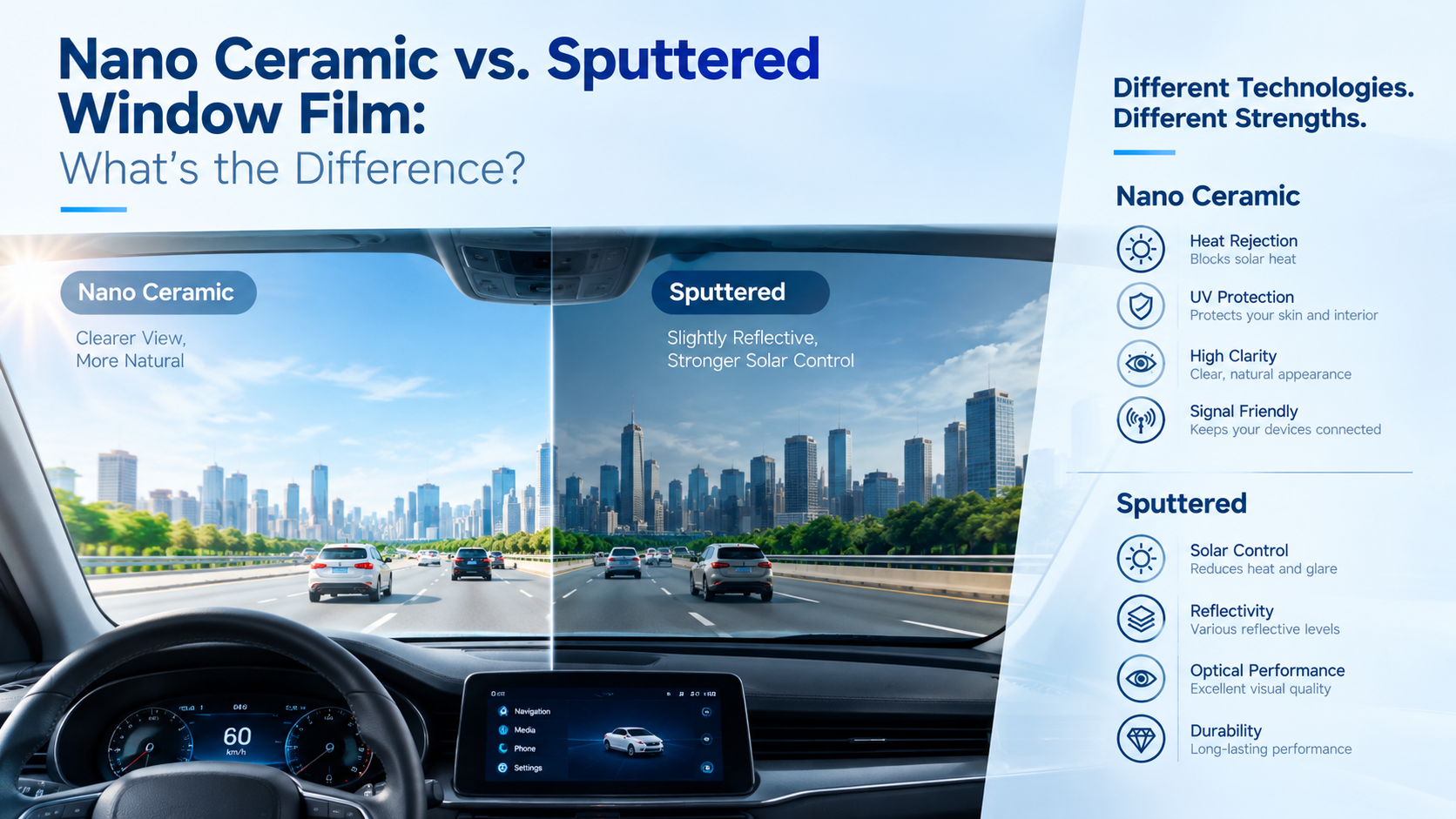
Minimal infographic showing automotive window film trends in 2026 and next generation technology

This article explores top automotive window film trends in 2026, highlighting the shift toward nano ceramic as the industry standard, the growing impact of EV-driven performance demands, increasing ADAS compatibility requirements, and the integration of PPF and ceramic film solutions. It reflects real market demand from installers and distributors across global automotive markets.

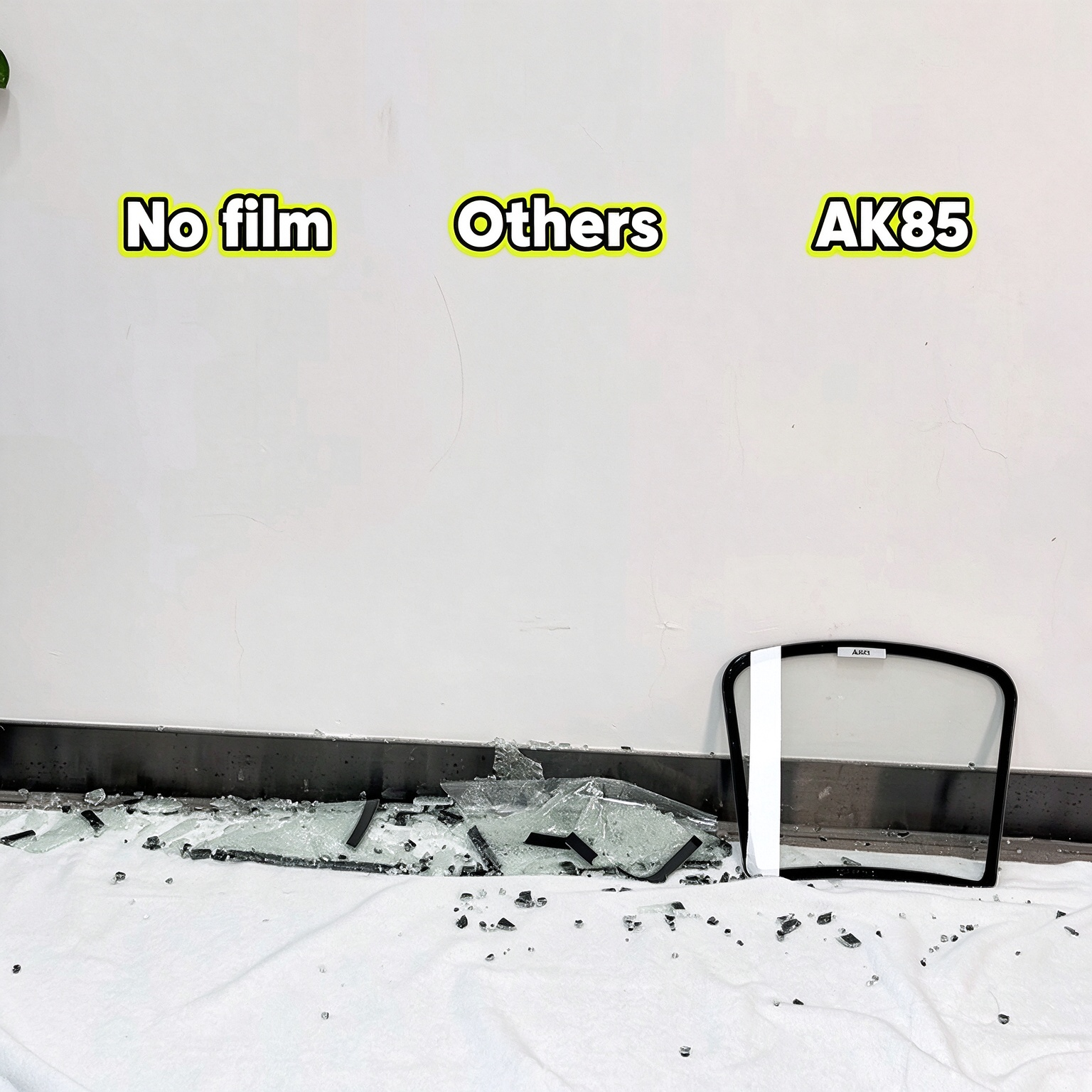
How PPF Thickness (6.5mil to 10mil) Affects Impact Resistance: A B2B Buyer’s Guide

PPF thickness comparison chart showing 6.5mil to 9.5mil paint protection film with impact resistance and durability levels

This article explains how PPF thickness from 6.5mil to 10mil affects impact resistance, chip protection performance, and real-world application suitability. Based on drop ball testing and material layer analysis, it provides B2B buyers with data-driven guidance to select the right film thickness for different vehicle types, driving conditions, and market positioning.