Published: June 5, 2026 · 11 min read · Category: Distribution & Sourcing
Most window film distributors start the same way: a good relationship with one installer, a supplier they found on Alibaba, and a pricing spreadsheet that made sense at the time.
Then the business grows. More installers. More SKUs. More markets. Suddenly that original setup — one supplier, one product line, pricing built on gut feel — starts showing its cracks.
This guide is for distributors who are past the experimental stage and want to build a wholesale buying operation that actually scales: the right product mix, the right supplier structure, the right pricing logic, and the right processes to manage it without it eating all your time.
Know What Kind of Distributor You’re Building
Before we get into sourcing tactics, it’s worth being honest about what role you actually want to play in the market — because it shapes every buying decision downstream.
The specialist distributor focuses on one or two product categories and builds genuine depth: technical knowledge, strong supplier relationships, maybe proprietary branding. Lower SKU count, higher margin per product, premium positioning with professional installers who care about performance specs.
The full-range distributor carries everything — automotive tint, architectural film, safety film, decorative, PPF adjacent products. Broader appeal, lower barriers to entry for new installer accounts, but thinner margins and more complex inventory management.
The regional consolidator competes on logistics: fast fulfillment, local stock, short lead times for installers who don’t want to wait three weeks for product from overseas. Margin comes from service, not product exclusivity.
None of these is the right answer. But if you don’t know which one you’re building, you’ll end up trying to be all three simultaneously and doing none of them particularly well.
Building Your Product Portfolio
Start With the Core SKUs
The 80/20 rule holds in window film distribution more reliably than most product categories: a small number of SKUs will generate the majority of your revenue. For most distributors, this means:
- One automotive carbon series at a competitive mid-range price point — this is the workhorse of most installer accounts
- One nano-ceramic automotive film at a premium price point — installers need a high-margin upsell option
- One solar control architectural film at two or three VLT options (typically 20%, 35%, 50%)
- One safety/security film for commercial accounts (even if it’s slow-moving, installers will switch distributors to get it from someone who stocks it)
Get these four categories right before expanding. Trying to carry 40 SKUs on day one creates inventory complexity that kills cash flow.
The VLT Range Problem
One of the most common mistakes wholesale buyers make is carrying too many VLT options within a single product line. Installers don’t actually need a film at every 5% interval. Most professional installer accounts will standardize on three to five VLTs across their most common applications.
Talk to your top ten installer accounts before building your range. Ask them what they order most, what they special-order because nobody stocks it locally, and what they’ve stopped using because the performance didn’t justify the price. Let actual installer behavior drive your SKU selection — not the factory catalog.
Ceramic vs. Carbon vs. Dyed: Getting the Tier Mix Right
Every market has a different price sensitivity curve. In mature markets (Western Europe, North America, Australia), ceramic and nano-ceramic films have taken significant market share from carbon and dyed products — professional installers have educated their customers on the performance difference, and the premium is broadly accepted.
In emerging markets and price-sensitive segments, carbon-series and even quality dyed films still represent the bulk of volume. Stocking only premium products in a price-sensitive market means leaving a lot of volume on the table.
The practical answer for most distributors: anchor at carbon, upsell to ceramic. Your standard offering is a quality carbon-series film that gives installers a comfortable margin at competitive pricing. Your ceramic line is positioned as the premium option for customers who want the best. This gives your installer accounts a story to tell and a reason to upsell.
For a deeper look at what separates quality ceramic film from budget alternatives, see our guide on Ceramic Window Film Supplier: What to Look for Before You Order.
Supplier Structure: Don’t Build on a Single Source
This is where many distributors are more fragile than they realize. One supplier for your entire product range feels efficient — one relationship, one invoice, one freight coordination. But it creates risks that aren’t always visible until something goes wrong.
Production delays are normal in manufacturing. If your only supplier has a machine breakdown or a raw material shortage, your backorder list becomes your problem.
Quality drift happens at factories over time — raw material substitutions, staff turnover in QC, production shortcuts that emerge under volume pressure. Single-source relationships are harder to monitor because you have no comparison point.
Price leverage disappears. Suppliers who know they’re your only source have less incentive to sharpen their pencil on pricing or prioritize your production slots.
A mature distributor typically runs with:
- One primary factory relationship for core SKUs (highest volume, best pricing, deepest relationship)
- One secondary factory or trading company for range extension and backup supply
- One domestic or regional supplier for fast-replenishment orders where ocean freight lead times are a problem
This structure costs more to set up and maintain, but it makes your business far more resilient.
If you’re still evaluating which type of supplier relationship is right for your operation, Window Film Factory vs Trading Company: What’s the Difference? walks through the tradeoffs in detail.
Understanding Wholesale Pricing Structure
How Factory Pricing Actually Works
Window film is priced per square meter or per roll (most commonly 1.52m wide × 30m or 50m lengths). Price breaks are volume-driven, and the tiers matter more than most buyers realize.
A typical pricing tier structure from a Chinese manufacturer might look like this:
| Monthly Volume | Price Index |
|---|---|
| 100–300 rolls | 100% (base price) |
| 300–600 rolls | 88–92% |
| 600–1,200 rolls | 80–85% |
| 1,200+ rolls | 72–78% |
The jump from the first tier to the second is often where meaningful margin improvement happens. If you’re consistently ordering 250 rolls and the next tier starts at 300, it’s worth analyzing whether you can consolidate orders or accelerate inventory to cross that threshold.
Landed Cost vs. Ex-Works Price
The price the supplier quotes you is almost never the price you actually pay per roll. Landed cost is what matters:
Ex-Works / FOB price (what the supplier quotes)
- Export documentation and local freight in China
- Ocean freight (per CBM or per container, amortized)
- Marine insurance
- Import duties and taxes at destination
- Customs broker fees
- Domestic freight from port to warehouse = Landed cost per roll
First-time buyers routinely underestimate the gap between FOB and landed. Depending on your destination market and freight lane, landed costs can run 25–45% higher than the FOB price. Build this into your cost model before you set distributor prices.
For a complete breakdown of the import process and the cost components involved, see How to Import Window Film from China: Complete Buyer’s Guide.
Setting Your Resale Price
There’s no universal margin formula for window film distribution — market pricing varies significantly by region, product category, and competitive landscape. But some reference points:
- Installer-direct wholesale accounts typically expect 30–50% margin on product versus their retail install price. That means your wholesale price needs to leave room for their margin while remaining competitive.
- Sub-distributor accounts (distributors buying from your distributorship to resell) typically receive lower margins — 15–25% off your standard installer pricing.
- OEM or private label products command higher margins because the product can’t be directly price-compared to stock alternatives. If you have the volume to justify OEM development, the margin upside is significant. See OEM Window Film vs Private Label: Which Is Better? for the full breakdown.
Managing Inventory: The Part Nobody Talks About Enough
Inventory management is where window film distribution either makes money or loses it quietly.
The Lead Time Problem
Ocean freight from China runs 14–35 days depending on your destination, plus production lead time (typically 3–5 weeks for stock items, longer for custom). That means from the moment you place a reorder to the moment you have sellable stock is often 6–10 weeks.
Most distributors who run into stockout problems aren’t ordering too little — they’re reordering too late. Set reorder points based on your average weekly sales velocity plus your full replenishment lead time, not just safety stock minimums.
Seasonal Demand Patterns
Window film demand is not flat throughout the year. Solar control products — both automotive and architectural — typically spike in spring and early summer in temperate climates as temperatures rise and consumers think about heat management. Automotive film demand tends to follow new vehicle sales cycles and summer driving patterns.
Plan your inventory orders to arrive 4–6 weeks before your peak season, not during it. By the time you’re placing emergency orders in July, the ship has literally and figuratively sailed.
Managing Roll Aging
Unlike many products, window film has a shelf life — not a printed expiration date, but real performance degradation over time. Adhesive chemistry changes. Coatings can oxidize if storage conditions aren’t controlled. Industry standard is typically 3–5 years from production, but this varies by product type and storage conditions (temperature, humidity, direct sunlight exposure all accelerate degradation).
First-in, first-out (FIFO) inventory rotation isn’t optional. Selling aged stock generates warranty claims and installer complaints that cost far more than the product was worth.
Evaluating New Suppliers: A Practical Process
If you’re adding a supplier to your portfolio — whether as a primary source or backup — the evaluation process matters. It’s easy to get swept up in a good sales pitch or a compelling sample. The disciplined approach:
Step 1: Technical qualification Request samples, test them against spec, and compare third-party test reports against your own measurements. If the supplier claims 90% IR rejection and your testing shows 72%, that conversation needs to happen before you place any order.
Step 2: Commercial qualification Get firm pricing at your actual volume tier, not theoretical quantities. Understand payment terms, lead times, and how they handle quality claims. Ask for references from other international buyers.
Step 3: Operational qualification Can they handle your documentation requirements? Export licenses, certificates of origin, specific labeling formats for your market? Suppliers who’ve worked extensively with buyers in your region typically have this handled; newer exporters may not.
Step 4: Relationship qualification A supplier who takes 72 hours to respond to a sample request will take 72 hours to respond to a quality complaint. How they behave during the evaluation tells you exactly how they’ll behave when something goes wrong at 4pm on a Friday.
Use the Window Film Factory Audit Checklist as your structured framework for steps 1 through 3. The 12 questions there will surface most of the issues before you commit.
Private Label and OEM: When It Makes Sense for Distributors
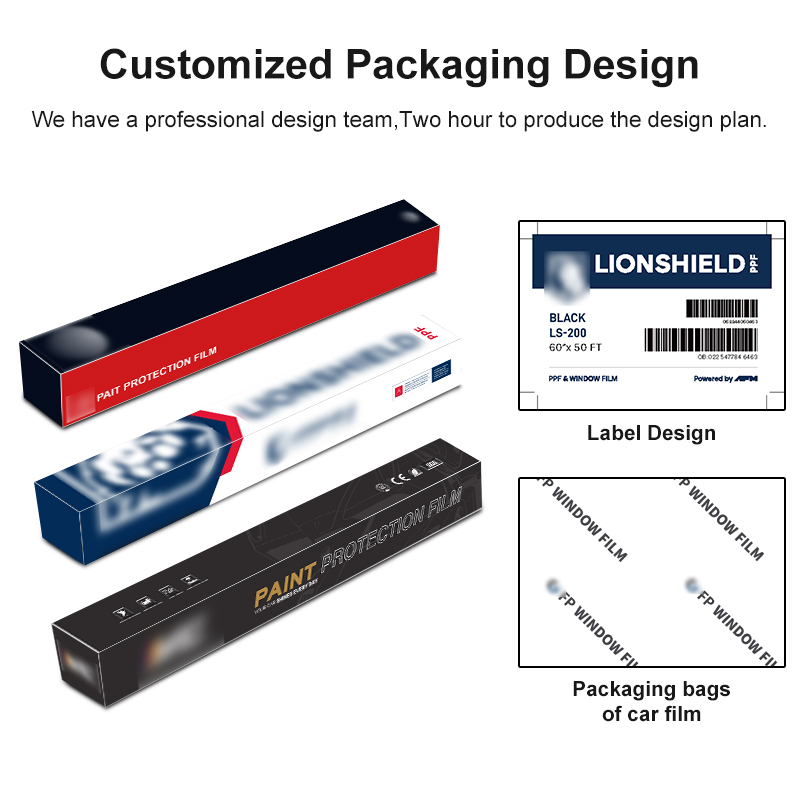
Most wholesale distributors start by reselling product under the factory’s brand or with minimal branding. It’s lower risk and faster to market.
But at some point — typically when you have consistent volume across two or three core SKUs — it’s worth asking whether private label or OEM makes commercial sense.
Private label is the easier step: put your brand on existing factory products. The product doesn’t change; only the packaging and labeling does. It raises your perceived brand value, creates a slight barrier to price comparison, and costs relatively little to set up.
OEM is the next level: working with a manufacturer to develop products to your specifications. Higher upfront investment, higher MOQs, longer development timeline — but it creates genuine product differentiation, stronger IP protection, and better margin over time once volume is established.
The short answer for most distributors: start private label when you hit consistent volume, plan for OEM when you have the market data to justify it. Both decisions are covered in detail in OEM Window Film vs Private Label: Which Is Better?
Building Installer Accounts That Actually Stick
The best product range and the best pricing won’t matter if your installer accounts are one competitor call away from switching. The distributors who build loyal installer bases do a few things consistently:
Stock what matters. Installers who have to special-order common SKUs from you will eventually find a distributor who stocks them. Your core range should cover 90% of what your top accounts need without a special order.
Solve the lead time problem for them. Installers hate telling customers their film won’t arrive for two weeks. Distributors who maintain local stock and can ship same-day or next-day have a structural advantage that cheaper pricing can’t fully offset.
Be the knowledge source. Product training sessions, technical data sheets that make sense, help navigating compliance questions for specific applications — distributors who invest in installer education create relationships that are genuinely hard to displace.
Make the admin easy. Consistent invoicing, clear product codes, online ordering if your volume justifies it, fast response to questions. The friction of dealing with a distributor is a real factor in installer loyalty, and it’s often underestimated.
Common Wholesale Buying Mistakes to Avoid
Chasing the lowest unit price at the expense of reliability. The distributor who saves $0.15 per roll by switching to an unvetted supplier, then has to issue credits and replacement product because of a bad batch, has not actually saved anything. Total cost of ownership — including quality failures — is the right metric.
Over-ordering to hit price tiers. Volume pricing is real, but capital tied up in slow-moving inventory is capital that isn’t working elsewhere. Model the breakeven on holding costs before committing to a tier jump.
Treating all customers as the same. Professional installers running 100+ jobs a year have very different needs than a sign shop that does occasional window graphics. Pricing, product selection, and service levels should be tiered to reflect the actual value of the account.
Neglecting documentation. Certificates of conformity, test reports, SGS documentation — your commercial customers increasingly want this, and their end clients (building owners, fleet operators, facility managers) are starting to ask for it. Distributors who can provide clean documentation chains win commercial accounts.
Not auditing existing suppliers. First-order due diligence is not a substitute for ongoing supplier management. Factories change over time. A supplier that was delivering consistent quality two years ago may have changed raw material sources, production managers, or QC processes. Annual check-ins — even just a video call with a request for current test reports — catch problems before they become your warranty claims.
FAQ
1. What should distributors look for in a wholesale window film supplier?
Distributors should evaluate product quality, factory capability, certifications, MOQ, and export experience.
2. What is the typical MOQ for wholesale window film orders?
Most wholesale orders start from 50–200 rolls depending on the product and customization level.
3. Can distributors order private label window film?
Yes. Many manufacturers provide OEM services including custom logos, packaging, and carton design.
4. Why do wholesale window film prices vary?
Prices vary because of film technology, raw materials, production quality, and order quantity.
5. How do distributors verify window film quality?
Request SGS or Intertek reports, test samples, and check the supplier’s QC process before ordering.
6. Should distributors buy directly from factories or trading companies?
Factories usually offer lower prices, while trading companies may provide lower MOQ and easier communication.
Ready to Optimize Your Wholesale Sourcing?
Whether you’re building your first wholesale account book or restructuring a distribution operation that’s outgrown its original setup, the supplier relationships you build now determine the margin and reliability you’ll have for the next several years.
We work with window film distributors across North America, Europe, Australia, and the Middle East — helping them identify the right manufacturer partners for their specific volume, product mix, and target market.
→ Send us a sourcing inquiry and we’ll follow up within one business day.
Further Reading
On this site:
- Top 7 Window Film Manufacturers in China (2026 Verified List) — Verified supplier shortlist across product categories
- How to Import Window Film from China: Complete Buyer’s Guide — End-to-end import process from RFQ to warehouse
- OEM Window Film vs Private Label: Which Is Better? — Choosing the right sourcing model as your volume grows
- Window Film Factory vs Trading Company: What’s the Difference? — Structuring your supplier relationships correctly
- Ceramic Window Film Supplier: What to Look for Before You Order — Evaluating suppliers for premium product categories
- Window Film Factory Audit Checklist: 12 Questions to Ask Before You Partner — Supplier qualification framework
External resources:
- IWFA (International Window Film Association) — Industry standards, installer certification programs, and market data
- SGIA / Specialty Graphic Imaging Association — Broader specialty films and graphics industry resources, relevant for distributors carrying decorative and print film
- Freightos Freight Rate Index — Live ocean freight rate benchmarks; useful for validating supplier-quoted logistics costs
- ImportGenius — Trade intelligence platform for researching supplier export histories before committing to a new source
Get a Free Sample or Quote
Looking for a reliable window film supplier? Contact us today for fast response and professional support.